Owner’s manual



What is the capacity of the LG dle2532w?
The LG DLE2532W electric dryer has a 7.3 cu. ft. capacity, which is a full-size 27-inch dryer capacity designed for typical family-size loads. For cycle details and operating tips specific to your dryer, use the DLE2532W owner's manual.
A 7.3 cu. ft. drum is considered full-size, so it handles bulky items and larger mixed loads efficiently when airflow is good and the lint screen and venting are clean.
- Comforters and bulky bedding usually fit best when dried one at a time
- Mixed loads dry more evenly when you avoid overfilling the drum
- Sensor Dry cycles adjust time automatically based on load dryness
- Long dry times often point to restricted venting or lint buildup
| Load type | How it typically fits in a 7.3 cu. ft. dryer | Best practice |
|---|---|---|
| Everyday mixed laundry | Easily | Leave space for tumbling |
| Towels | Easily | Do not pack tightly |
| Bulky bedding | Usually, one item at a time | Use lower heat if needed |
| Small loads | Easily | Use Sensor Dry to prevent overdrying |
Capacity affects drying performance: when the drum is overloaded, clothes cannot tumble freely, airflow drops, and the dryer can run longer and dry unevenly. Keeping the lint screen clean and maintaining good exhaust airflow helps your DLE2532W dry faster and more consistently.
Last updated: February 2026
What is the most common problem with LG dryers?
The most common issue we see with LG dryers (including model DLE2532W) is poor airflow, which causes long dry times and can trigger overheating shutoffs. A full lint filter, restricted venting, or a blocked exhaust path is usually the root cause; heating and thermostat problems are next most common.
- Clean the lint screen before every load and make sure it seats fully in the housing.
- Inspect the vent hose for kinks, crushing, or excessive length.
- Check the outside vent hood for lint buildup or a stuck flap.
- Confirm the dryer is on the correct cycle and heat setting for the load.
- If the drum tumbles but there is no heat, check the home breaker panel; many electric dryers use two breakers.
| Symptom | Most likely cause | What to do next |
|---|---|---|
| Clothes take too long to dry | Restricted venting or lint blockage | Clear venting end-to-end; re-test airflow |
| Dryer shuts off early or seems too hot | Airflow restriction or temperature control issue | Fix venting; then evaluate thermostats/sensors |
| Dryer runs but won’t heat | Power supply issue or heater circuit problem | Verify breakers; then test heating components |
| Squealing, thumping, or no tumble | Belt or idler wear | Inspect belt path and pulley condition |
If your DLE2532W won’t tumble or is noisy, these model-matched parts are frequent fixes:
- Dryer drum belt 4400EL2001F (broken or stretched belt)
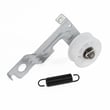
- Dryer idler pulley 4560EL3001A (squeal, belt slipping)
- LG dryer idler pulley 4561EL3002A (pulley wear or wobble)
Airflow problems do more than slow drying; they raise internal temperatures, which can shorten the life of components like thermostats, the heating system, and drum supports. Keeping the lint filter and venting clear is the simplest way to prevent repeat failures.
For safety, operating tips, and troubleshooting charts (including power and heating checks), use the DLE2532W owner's manual.
Last updated: February 2026
What is the average lifespan of an LG dryer?
LG dryers typically last 10 to 15 years in normal home use. For your LG DLE2532W, consistent lint and vent cleaning plus quick fixes for wear items (like the drum belt and thermostats) are the biggest factors in reaching the high end of that range.
A dryer’s life is usually determined by heat management, airflow, and drum-drive wear.
- Vent restriction (long dry times, overheating) shortens life fastest
- Lint buildup inside the cabinet increases heat stress on wiring and thermostats
- Overloading strains the motor, drum rollers, and belt
- Ignoring early noises often leads to bigger drum support repairs
- Using the wrong vent material can create airflow and safety problems (follow the DLE2532W owner's manual)
Use this schedule to keep performance steady and reduce breakdowns.
- Every load: clean the lint screen
- Monthly: check outside vent hood for strong airflow
- Every 6 months: clean the full vent run from dryer to exterior
- Yearly: vacuum lint from around the blower area and base (unplug first)
- Anytime drying slows: stop and correct airflow before replacing parts
If the dryer runs but squeals, thumps, or stops tumbling, these are frequent culprits.
| Symptom | Likely area | Example part for DLE2532W |
|---|---|---|
| Drum not turning, motor runs | Drum drive | Dryer drum belt 4400EL2001F |
| Squealing or chirping | Idler or support | Dryer idler pulley (model-specific options vary) |
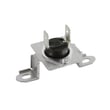
| Overheating or shuts off | Temperature control | Thermostat or thermistor |
A dryer that maintains proper airflow dries faster, runs cooler, and puts less stress on the heating system and drum drive. That directly improves reliability and helps you get the full 10 to 15 years from an LG dryer.
Last updated: February 2026
What parts of an LG dryer cause a D90 error?
On the LG DLE2532W dryer, a D90 error points to restricted airflow, most often from a clogged or crushed exhaust vent system. The dryer may also sense poor airflow when lint buildup or a failing blower/temperature-sensing component reduces air movement through the cabinet.
Airflow problems are usually caused by the venting path, but these dryer parts can contribute:
- House vent duct and exterior vent hood (lint, debris, bird nests, crushed flex vent)
- Lint screen and lint screen housing (lint or residue restricting intake)
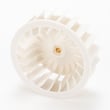
- Blower wheel (can slip, crack, or clog and move less air)
- Thermostats and temperature sensors (can react to overheating caused by poor airflow)
- Internal ducts (heat duct or exhaust duct inside the dryer can collect lint)
Start with the easiest airflow restrictions before replacing parts:
- Clean the lint screen before every load; a blocked screen increases drying time and can contribute to overheating.
- Inspect the vent behind the dryer for kinks, crushing, or excessive length and elbows.
- Check the outside vent hood for a strong, steady airflow while the dryer runs.
- If drying times are long, stop using the dryer until the vent path is cleared.
- Review venting and maintenance guidance in the DLE2532W owner's manual.
If the venting is clear and D90 keeps returning, these model-matched parts are common suspects:
| Symptom you notice | Likely area | Example model-matched part on this page |
|---|---|---|
| Weak airflow at the outside hood | Blower system | Dryer blower wheel 5835EL1002A |
| Dryer overheats or shuts down early | Overheat protection | Dryer blower thermostat 6931EL3002M or kenmore elite dryer high-limit thermostat 6931EL3001E |
| Erratic drying or sensor-related behavior | Temperature sensing | Dryer thermistor AGM30045804 |
Restricted airflow makes loads take longer, raises operating temperatures, and can trigger safety controls. Keeping the lint screen and vent system clear helps the DLE2532W dry faster and reduces strain on components like the blower wheel, thermostats, and heating system.
Last updated: February 2026