 Error Codes




How do I know if my GE dryer heating element is bad?
If your GE DPSQ495GT0WW gas dryer runs but won’t heat, the “heating element” is not the usual failure point; gas models heat with an igniter and burner system. A bad igniter, gas valve, or airflow problem is far more common than an electric-style element issue.
Quick checks that point to a heat-system problem
- Dryer tumbles normally but clothes stay cold or barely warm.
- You don’t see the burner ignite (no brief glow from the igniter, then flame).
- Heat starts, then stops after a few minutes (cycling off too soon).
- Dry times suddenly get much longer.
- You smell hot lint or the cabinet feels unusually hot (often airflow related).
What to test first on a gas dryer (DPSQ495GT0WW)
- Airflow: Clean the lint screen and confirm strong airflow at the outside vent hood.
- Ignition: Watch through the burner view area (if accessible) for igniter glow and flame.
- Igniter continuity (power off): A failed igniter often reads open on a meter.
- Gas valve operation: If the igniter glows but no flame, the valve assembly or related components are suspect.
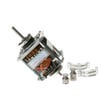
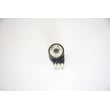
Helpful model-matched parts to consider:
Symptoms and likely causes
| Symptom | Most likely cause | What we recommend |
|---|---|---|
| Tumbles, no heat at all | Igniter open, no gas, or airflow restriction | Check venting; test igniter continuity |
| Igniter glows, no flame | Gas valve assembly issue | Inspect wiring; consider gas valve replacement |
| Heat cuts out mid-cycle | Airflow restriction or burner cycling issue | Clean vent path; verify strong exhaust |
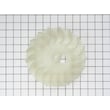
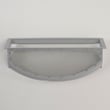
| Long dry times, some heat | Clogged vent or blower issue | Check lint housing and blower wheel |
Why it matters
Misdiagnosing a gas dryer as having a “bad heating element” can waste time and money. On the DPSQ495GT0WW, confirming airflow and ignition behavior quickly narrows the problem to the igniter, gas valve, or venting.
Last updated: February 2026
What is the most common problem with a GE electric dryer?
The most common GE electric dryer complaint is no heat or long dry times, usually caused by restricted airflow (lint buildup or venting issues) or a failed heating circuit safety part. On your GE DPSQ495GT0WW (a gas dryer), the most common equivalent issue is no heat from ignition or airflow problems; start with venting and ignition checks.
Quick checks we recommend first
- Clean the lint screen and confirm strong airflow at the outside vent hood.
- Check that the dryer is not pushed back and crushing the vent.
- Inspect the vent run for lint blockage, kinks, or excessive length.
- If the drum turns but there is no heat, suspect ignition or gas valve operation.
- If the dryer will not start, check the door switch and timer/control.
Common symptoms and likely causes (gas vs. electric)
| Symptom | More common on electric dryers | More common on gas dryers (like DPSQ495GT0WW) |
|---|---|---|
| Runs but no heat | Heating element, thermal fuse, thermostat | Igniter, gas valve, flame sensor, airflow restriction |
| Takes too long to dry | Vent restriction, lint buildup | Vent restriction, lint buildup |
| Drum not tumbling | Belt, idler, glides/rollers | Belt, idler, glides/rollers |
Parts that often solve “won’t tumble” or “no heat” on DPSQ495GT0WW
If your dryer is noisy, not tumbling, or not heating, these model-matched parts are common fixes:
- Drive belt WE03X29897 (broken belt, drum not turning)
- Dryer burner igniter WE04X25996 (no ignition, no heat)
- Dryer gas valve assembly WE14X215 (gas not opening, intermittent heat)
- Door switch WE4M415 (won’t start when door switch fails)
Why it matters
Airflow problems can cause overheating, shutdowns, and repeated no-heat complaints. Fixing venting and lint buildup first often prevents repeat failures and helps your GE dryer dry faster with less wear on parts.
For step-by-step help diagnosing heat problems, use gas dryer wont heat troubleshooting video.
Last updated: February 2026
Why is my brand new GE Profile dryer not drying?
If your GE gas dryer model DPSQ495GT0WW runs but clothes stay damp, the cause is almost always restricted airflow (lint screen or venting), an installation issue (crushed or too-long vent), or a heat system problem such as a weak igniter or gas valve. Start with airflow checks first.
Quick checks that fix most “not drying” complaints
- Clean the lint screen completely; wash it with warm water and a soft brush if you use dryer sheets.
- Verify strong airflow at the outside vent hood while the dryer runs.
- Make sure the vent is not kinked, crushed, or packed with lint.
- Keep the vent run short and smooth (rigid metal is best); avoid plastic or foil vent.
- Do not overload; mixed heavy and light fabrics dry unevenly.
- Use a timed dry cycle once to confirm the dryer can heat without sensor logic ending early.
What to check next (symptom-based)
| What you notice | Most likely cause | What we recommend |
|---|---|---|
| Dryer heats but takes too long | Vent restriction | Inspect and clean the full vent path; review dryer takes a long time to dry |
| No heat at all, drum turns | Ignition or gas valve issue | Check for burner ignition; common parts include dryer burner igniter WE04X25996 and dryer gas valve assembly WE14X215 |
| Drum turns slowly, squeals, or stops | Belt or drum support drag | Inspect belt and glides; consider drive belt WE03X29897 and dryer drum glide bearing WE03X37318 |
| Stops when door closes or won’t stay running | Door switch problem | Test the switch; replace door switch WE4M415 if it fails |
Why it matters
A gas dryer like the GE DPSQ495GT0WW needs both heat and high airflow to carry moisture out. Even with a perfect burner, a partially blocked vent traps humid air in the drum, so loads stay damp and cycles run long.
Helpful DIY guidance
Last updated: February 2026





