Owner’s manual
 Error Codes


Does anyone make a 30 inch side-by-side refrigerator?
Yes. Several brands make 30-inch class side-by-side refrigerators, but the exact cabinet width can vary slightly by model and installation style. For fit planning, compare the manufacturer’s cutout and clearance requirements to your space, then confirm door swing and water-line needs.
Most “30-inch” side-by-side refrigerators are designed to fit a 30-inch opening, but the actual cabinet width is often close to 30 inches (sometimes slightly under or over). Always verify:
- Overall width (cabinet and doors)
- Required side and top clearances for airflow
- Door swing clearance (especially next to a wall)
- Depth with handles (important for tight kitchens)
- Whether it needs a water line for an icemaker or dispenser
For GE side-by-side installation guidance, use the clearances and location rules in the TFX25ZPBAAA owner’s manual.
Measure your space and compare it to the spec sheet for the refrigerator you’re considering:
- Opening width at the front and back (walls are not always square)
- Height to cabinets and soffits
- Depth to nearby doorways and traffic paths
- Clearance on the hinge side for a 90° door opening
- Water supply access if you want ice or water
| Measurement | Typical target | Why it matters |
|---|---|---|
| Side clearance | About 5/8 inch | Air circulation and easier install |
| Top clearance | About 1 inch | Heat release and leveling |
| Back clearance | About 1 inch | Cord, water line, airflow |
(These are common targets for many side-by-side designs; always follow the specific model’s requirements.)
A “30-inch” refrigerator that technically fits the opening can still be a problem if the doors cannot open far enough to remove bins, or if the unit cannot breathe properly. Clearances and door swing are just as important as the width.
Last updated: January 2026
Is side by side better than a French door?
A side-by-side refrigerator like the GE TFX25ZPBAAA is “better” when you want narrow door swing, easy access to freezer items at eye level, and typically a smaller footprint for door clearance. A French door is “better” when you want wider fresh-food shelves and more flexible refrigerator storage.
| Feature | Side-by-side (like TFX25ZPBAAA) | French door |
|---|---|---|
| Fresh-food shelf width | Narrower | Wider (better for platters/pizza boxes) |
| Freezer access | Eye-level shelves | Lower pull-out drawer |
| Door swing needs | Often less, per door | Often more, per door |
| Organization style | Tall, vertical storage | Wide, horizontal storage |
- Your kitchen is tight and you want smaller door swing per door.
- You use the freezer daily and want items at eye level.
- You prefer door bins and vertical shelving for quick sorting.
- You want a layout that makes it easy to separate frozen foods by shelf.
GE’s side-by-side guidance commonly calls for small side clearances for installation and airflow, plus extra clearance if the refrigerator sits against a wall so the doors can open to 90 degrees. For the most accurate clearance numbers and placement notes for your exact configuration, use the TFX25ZPBAAA owner’s manual.
- You store wide items often (party trays, sheet pans, large leftovers).
- You want the refrigerator compartment to be the main “work zone” at eye level.
- You like a bottom freezer drawer that can hold bulky bags and boxes.
Choosing the right door style affects everyday convenience: how far doors swing in your kitchen, how easily you can load groceries, and how well you can organize fresh food versus frozen food. Matching the layout to your habits reduces wasted space and helps keep temperatures stable by minimizing door-open time.
Last updated: January 2026
What's the best refrigerator side by side?
The best side-by-side refrigerator is the one that fits your kitchen, holds temperature steadily, and has the features you will actually use. If you already own a GE TFX25ZPBAAA, keeping it maintained (especially airflow and water quality) is often the most cost-effective “best” choice. For model-specific care and setup details, use the TFX25ZPBAAA owner’s manual.
- Reliable cooling performance: consistent fresh food and freezer temperatures with good air circulation.
- Fit and clearances: correct width, depth, and door-swing space for your kitchen.
- Ice and water features: dispenser style, filtration, and icemaker reliability.
- Serviceability: parts availability (filters, icemaker, fan motors, defrost parts).
- Efficiency and noise: quieter condenser fan and compressor operation.
Use this quick checklist when comparing models or deciding whether to keep repairing your current refrigerator:
| Priority | What to verify | Why it matters |
|---|---|---|
| Fit | Door swing and wall clearance | Prevents doors from binding and improves usability |
| Cooling | Stable temps after 24 hours | Protects food and reduces frost issues |
| Ice/water | Filter type and replacement schedule | Improves taste and helps prevent small/hollow cubes |
| Maintenance | Easy access to condenser area | Helps the unit run efficiently |
For GE side-by-side models like TFX25ZPBAAA, basic upkeep directly improves performance. The manual calls out cleaning the condenser coils at least once a year and keeping the area under the refrigerator clean for efficient operation.
- Clean condenser coils at least yearly.
- Pull the refrigerator straight out (not sideways) to avoid floor damage.
- Keep the area under the refrigerator free of dust.
- Allow about 24 hours for the refrigerator to fully cool after setup or major changes.
- If ice tastes bad or cubes are small/hollow, address water quality and filtration.
If your “best” side-by-side includes good-tasting water and dependable ice, these are common wear items:
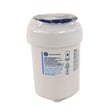
- Refrigerator water filter MWFP (helps with taste and can help prevent small/hollow cubes when replaced on schedule)
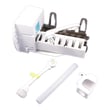
- Refrigerator ice maker WR30X10093 (if the icemaker stops producing or cycles inconsistently)
A side-by-side refrigerator is a long-term appliance purchase. Getting the fit right and keeping airflow, coils, and filtration in good shape prevents many common complaints like warm compartments, odor in ice, and inefficient run time.
Last updated: January 2026