Owner’s manual
 Error Codes


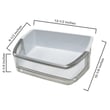
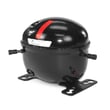
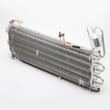
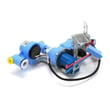
Are LG refrigerators expensive to fix?
Yes, LG refrigerators like model LFX31925SB can be expensive to fix when the problem involves sealed-system cooling parts (such as the compressor, condenser, or evaporator). Smaller repairs (switches, valves, filters, tubing) are usually much less, so the total cost depends on which part failed and the labor required.
Major cooling repairs cost more because they involve specialized tools, refrigerant handling, and longer labor time.
- Sealed-system failures (compressor, condenser, evaporator, refrigerant components)
- Long diagnostic time for intermittent cooling problems
- Multiple parts replaced together (for example, compressor plus related cooling components)
- Labor-intensive access (moving the refrigerator, removing panels, defrosting ice buildup)
- Service calls outside normal hours
Use this as a practical way to think about “expensive” versus “not too bad” on an LG bottom-mount refrigerator.
| Repair type | Examples on LFX31925SB | Typical cost driver |
|---|---|---|
| Lower-cost part swap | Door switch, dispenser switch, water tubing | Short labor time, simple access |
| Mid-range water/ice repair | Water inlet valve, ice maker assembly, water filter | Troubleshooting plus part cost |
| Higher-cost cooling repair | Compressor, condenser coil, evaporator | Specialized sealed-system labor |
Model-specific examples from this parts list include the refrigerator compressor TCA38091801, refrigerator condenser coil ACG73645004, and refrigerator evaporator ADL73341411.
These steps prevent repeat service calls and help you avoid replacing the wrong part.
- Check error codes and symptoms first; don’t guess parts
- Replace the water filter on schedule to protect the dispenser and ice maker; see how to replace the water filter in an LG refrigerator
- If ice or water is slow, inspect the valve and lines before replacing the ice maker
- Clean condenser area and keep airflow clear around the cabinet
- Use the troubleshooting and maintenance guidance in the owner's manual
On a refrigerator, a sealed-system repair can approach the value of the appliance, while a water/ice or door electrical issue is often a straightforward fix. Identifying whether you have a cooling-system problem versus a dispenser/ice problem is the fastest way to estimate repair cost.
Last updated: February 2026
What is the most common problem with an LG refrigerator?
For the LG LFX31925SB refrigerator, the most common customer-reported issue is a cooling failure tied to the sealed system, especially the linear compressor. When the compressor or sealed-system components struggle, the refrigerator may run constantly, warm up in the fresh food section, or stop cooling altogether; check the LFX31925SB owner's manual for model-specific troubleshooting steps and operating checks.
- Refrigerator or freezer temperature rises even though the unit seems to be running
- Clicking, buzzing, or repeated start attempts from the back of the refrigerator
- Frost buildup or uneven temperatures (fresh food warm, freezer colder, or vice versa)
- Ice maker slows down or stops because temperatures are not staying cold enough
- Condenser area feels unusually hot, or airflow seems weak
- Confirm settings: Make sure temperature setpoints were not accidentally changed.
- Improve airflow: Avoid blocking interior vents with food packages.
- Clean heat-exchange surfaces: Dust buildup can cause poor cooling; inspect the condenser area.
- Listen for fan operation: A failed evaporator fan can mimic compressor problems.
- Look for defrost symptoms: Heavy frost can point to a sensor/defrost issue.
| Symptom | Common cause | Parts that often apply to this model |
|---|---|---|
| Not cooling or weak cooling | Sealed system or compressor issue | Refrigerator compressor TCA38091801, refrigerator evaporator ADL73341411 |
| Runs a lot, cabinet feels hot | Dirty or restricted condenser heat transfer | Refrigerator condenser coil ACG73645004 |
| Frost buildup, warming temps | Defrost sensing/control problem | Refrigerator defrost sensor assembly 6615JB2005R |
| Water/ice issues after cooling problems | Low water flow or valve issue | LG kenmore refrigerator water filter ADQ36006101, LG refrigerator water inlet valve AJU72992603 |
Cooling problems can quickly lead to food spoilage and can also trigger secondary complaints like weak ice production, dispenser issues, and temperature alarms. Catching airflow, coil, and defrost problems early can prevent longer run times and added strain on the compressor.
Last updated: February 2026
What is the life expectancy of an LG refrigerator?
Most LG refrigerators, including the LG LFX31925SB, typically last 12 to 15 years with normal home use and basic maintenance. Lifespan depends most on compressor health, clean airflow through the condenser area, and how well the doors seal and close.
A refrigerator’s “life expectancy” is usually limited by the sealed system (compressor, condenser, evaporator) and by wear items like door switches and water system parts.
- Sealed system and compressor: Often the biggest factor in overall lifespan
- Cooling airflow parts: Dirty condenser area can shorten life and raise energy use
- Ice maker and dispenser system: More moving parts means more maintenance and occasional repairs
- Door sealing and alignment: Poor sealing forces longer run times
- Water filtration: Regular filter changes help protect valves and improve flow
Your LFX31925SB owner's manual lists limited warranty coverage that includes longer coverage for the linear compressor and sealed system components (coverage varies by part and term). This does not guarantee lifespan, but it shows which components are considered most critical.
| Item | Typical role in lifespan | What you can do |
|---|---|---|
| Compressor | Primary cooling “engine” | Keep condenser area clean; ensure good ventilation |
| Condenser coil | Releases heat | Clean dust and pet hair regularly |
| Door sealing | Prevents warm air leaks | Keep gaskets clean; confirm doors close fully |
| Water system | Ice and water performance | Replace filter on schedule; purge air after changes |
- Vacuum and brush the condenser area regularly (more often with pets)
- Keep temperatures stable (about 37°F fresh food, 0°F freezer)
- Avoid overpacking vents; allow air to circulate
- Replace the water filter on schedule using LG kenmore refrigerator water filter ADQ36006101
- Fix door closing issues quickly (leveling, alignment, or obstructions)
A refrigerator that runs longer to maintain temperature wears the compressor faster and can cause temperature swings that spoil food. Simple upkeep, especially airflow and door sealing, is the most reliable way to reach the full 12 to 15 year lifespan.
Last updated: February 2026
Why is my LG refrigerator leaking from the bottom?
On your LG LFX31925SB refrigerator, water leaking from the bottom is typically caused by a clogged defrost drain overflowing into the base, a drip in the water supply system (valve, tubing, filter), or melting ice and condensation around the ice compartment. Use the LFX31925SB owner's manual for model-specific access and care steps.
- Look for ice or standing water on the freezer floor (classic defrost drain backup).
- Check for drips right after dispensing water or after an ice harvest.
- Inspect the water filter area and nearby connections for moisture.
- Pull the unit forward and look for water under the front edge.
- Turn the ice maker OFF for a few hours; see if the leak stops.
| What you notice | Most likely cause | What to do next |
|---|---|---|
| Freezer floor icy; water appears after defrost | Defrost drain clogged or frozen | Melt ice with warm air, then flush the drain with warm water. |
| Leak happens during dispensing or ice making | Inlet valve or tubing seep | Inspect for cracks, loose fittings, and slow drips at connections. |
| Water tracks down from dispenser/ice area | Ice melting or warm air leak | Keep the ice compartment door fully closed; empty bin if ice maker stays OFF. |
| Slow puddle even when not using dispenser | Condensation or drain routing issue | Check door seals, leveling, and that the drain outlet is clear. |
Use model-matched parts when you confirm the leak source:
- Refrigerator drain tube 5251JA3003D if the drain outlet is split, restricted, or not draining.
- LG refrigerator water inlet valve AJU72992603 if the valve weeps or drips.
- Refrigerator water tubing MJU62070602 if a line is cracked or a fitting will not seal.
Bottom leaks can create ice buildup, cause temperature swings, and damage flooring. Fixing the drain or stopping a slow water-system drip prevents repeat puddles and helps the sealed system run efficiently.
Last updated: February 2026