Error Codes




Are KitchenAid refrigerators high end?
Yes. KitchenAid refrigerators, including the KitchenAid KTRS22MJWH01 top-mount refrigerator, are generally considered high-end because they are positioned as a premium brand with strong build quality, refined styling, and features aimed at consistent temperature control and long-term performance.
What “high-end” typically means for KitchenAid refrigerators
High-end is usually a mix of materials, performance, and ownership experience. For KitchenAid, that commonly includes:
- More premium fit and finish (handles, door feel, interior trim)
- Strong temperature stability for fresh food and freezer sections
- Quieter operation compared with many entry-level models
- Better long-term serviceability because key components are replaceable
- Higher typical purchase price than basic top-mount refrigerators
How to judge “high-end” for your specific KTRS22MJWH01
Even within one brand, the best way to judge is by how the refrigerator performs in your kitchen and how well it can be maintained.
| What to check | What you want to see | What it affects |
|---|---|---|
| Door seal condition | Even contact all the way around | Temperature stability, energy use |
| Cooling airflow | Steady airflow, no warm spots | Food freshness, freezer performance |
| Ice maker performance (if equipped) | Consistent cube production | Convenience, water system health |
| Noise level | Smooth fan and compressor sounds | Perceived quality |
Parts that help keep a premium fridge performing like one
A “high-end” refrigerator only stays that way if it seals, cools, and dispenses water properly. For this model, common maintenance and repair parts include:
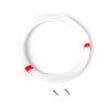
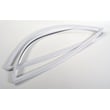
- Refrigerator door gasket 2159061 for air leaks and sweating around the door
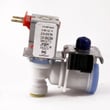
- Refrigerator inlet valve WP2315576 for weak ice maker fill or water flow issues
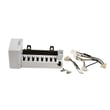
- Ice maker assembly 4317943 if the ice maker stops cycling or won’t harvest
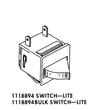
- Refrigerator light switch W11384469 if the interior light does not respond to the door
Why it matters
Premium refrigerators cost more up front, but they pay off when they hold safe temperatures, keep food fresher longer, and can be repaired with the right KitchenAid-compatible parts instead of being replaced early.
Last updated: February 2026
What is the lifespan of a KitchenAid refrigerator?
A KitchenAid refrigerator typically lasts 14 to 17 years with normal household use and basic maintenance. For your KitchenAid KTRS22MJWH01 top-mount refrigerator, keeping airflow clear, seals tight, and the cooling system clean is what most directly affects how long it runs reliably.
Typical lifespan at a glance
| Item | Typical range | What shortens it fastest |
|---|---|---|
| Refrigerator overall | 14 to 17 years | Dirty condenser area, poor door sealing, overheating |
| Door gaskets | 5 to 10 years | Tears, warping, heavy door use |
| Ice maker system | 5 to 10 years | Mineral buildup, low water flow, freezing fill tube |
Maintenance that adds years (and prevents common failures)
- Vacuum dust from the condenser area and fan intake regularly so the compressor does not overheat.
- Keep door gaskets clean and fully sealing; warm air leaks force longer run times.
- Set stable temperatures (most kitchens do best around 37°F fresh food and 0°F freezer).
- Do not block interior vents; airflow problems can mimic “not cooling” symptoms.
- If you have an ice maker, keep water flow strong and address slow fills early.
Parts that commonly affect longevity on KTRS22MJWH01
If performance is slipping, these model-matched parts are often involved:
- Worn or leaking door seal: refrigerator door gasket 2159061
- Ice production issues: ice maker assembly - refrigerator ice maker by whirlpool 4317943
- Water supply problems to ice maker: refrigerator inlet valve WP2315576
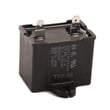
- Warm temps from poor heat removal: condenser motor W10822259
Why it matters
Most “end of life” refrigerators are not truly worn out; they are running hot, leaking air at the doors, or struggling with airflow. Fixing a gasket, condenser fan issue, or water valve early reduces compressor run time and helps the sealed system last longer.
Last updated: February 2026
What is the most common problem with a KitchenAid refrigerator?
The most common KitchenAid refrigerator problems are ice maker issues, warm or fluctuating temperatures, water leaks, and unusual fan noises. On the KitchenAid KTRS22MJWH01 top-mount refrigerator, these symptoms most often trace back to airflow, defrost drainage, or water-supply components.
Most common symptoms and what they usually point to
- No ice or small cubes: water supply restriction or a failing ice maker
- Fresh food section too warm: weak airflow from the evaporator area or dirty condenser coils
- Water under the refrigerator: clogged/iced defrost drain or a leaking water line/valve
- Buzzing, rattling, or grinding: fan blade interference or a worn fan motor
- Frost buildup in the freezer: defrost system problem (heater, thermostat, or airflow blockage)
Quick checks we recommend first (before replacing parts)
- Set temperatures to typical targets: 0°F in the freezer and 37°F in the refrigerator.
- Make sure vents are not blocked by food packages (airflow problems mimic “not cooling”).
- Clean condenser coils and confirm the condenser fan runs when the compressor runs.
- If you have an ice maker, confirm the shutoff arm is down and the water supply valve is fully open.
- Look for a frozen drain trough under the evaporator cover if you see puddles or ice sheets.
Parts that commonly solve these problems on KTRS22MJWH01
| Symptom | Common suspect | Example part on this model |
|---|---|---|
| Ice maker not working | Ice maker assembly | Ice maker assembly - refrigerator ice maker by whirlpool 4317943 |
| Leaking at back/bottom | Water inlet valve | Refrigerator inlet valve WP2315576 |
| Door not sealing, sweating | Door gasket | Refrigerator door gasket 2159061 |
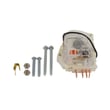
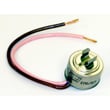
| Frost buildup, warm temps | Defrost thermostat (bi-metal) | Refrigerator defrost bi-metal WP4387503 |
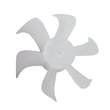
| Fan noise, weak airflow | Fan blade damage/obstruction | Refrigerator evaporator fan blade WP2163777 |
Why it matters
These “common problems” are connected: poor airflow or a weak seal forces longer run times, which can create temperature swings, frost buildup, and ice maker performance issues. Fixing the root cause protects food temperatures and reduces strain on the compressor.
Helpful DIY guidance
For KitchenAid-specific filter and water system maintenance that helps prevent ice maker and leak complaints, use how to replace the water filter in a KitchenAid refrigerator.
Last updated: February 2026
Where is the model number located on a KitchenAid refrigerator?
On a KitchenAid top-mount refrigerator like model KTRS22MJWH01, the model number is typically on a rating label inside the fresh food compartment, inside the freezer compartment, or along the front frame behind the door. Checking these spots usually finds it in under a minute.
Most common places to check
- Inside the refrigerator section on a side wall (often near the top)
- On the ceiling or side wall inside the freezer section
- On the front frame (cabinet liner) behind the refrigerator door
- Behind the lower crisper drawers (on the back wall or side wall)
- Behind the toe grille or kickplate area near the floor
Quick steps to find it fast
- Open the refrigerator door and scan the side walls and ceiling for a white or silver label.
- Pull out the bottom crisper drawers and look on the wall behind them.
- Open the freezer door and check the side wall or ceiling.
- If you still do not see it, look along the front frame behind the door seal.
What the label usually looks like
| What you may see | What it means | Why it helps |
|---|---|---|
| Model number | Identifies the exact unit (example: KTRS22MJWH01) | Ensures correct parts fit |
| Serial number | Production identifier | Helps match revisions |
| Electrical info | Volts/amps/refrigerant info | Useful for service diagnostics |
Why it matters
We use the full model number to match the correct KitchenAid refrigerator parts and diagrams because small model variations can change items like the ice maker, door gasket, or water inlet valve.
If you are ordering parts after you find the model number, common items for this model include the refrigerator light switch W11384469 and the ice maker assembly - refrigerator ice maker by whirlpool 4317943.
Last updated: February 2026