 Owner’s manual



How do I clear the error code on my GE front load washer?
For the GE GTW465ASN1WW washer, most “error” situations clear after you correct the cause and restart the cycle; we typically clear the condition by canceling the cycle, draining if needed, then starting a new cycle. Use the steps in the GTW465ASN1WW owner’s manual to match the indicator light or code to the right reset.
Quick reset steps we use first
- Press Start/Pause to pause; the lid can unlock if it’s locked at that moment.
- If water is still in the basket, select Drain & Spin, then press Start.
- After the washer drains, reselect your wash cycle and press Start.
- If the washer is unresponsive, wait out any control lockout (some fill related faults trigger a timed lockout).
- If the Lid Locked light is flashing after repeated cycles, open and close the lid, then start a new cycle.
What the washer is telling you (common “error” indicators)
| What you see | What it usually means | What clears it |
|---|---|---|
| Fill light flashing | Water is not entering the washer | Turn on both supply valves, fix water supply, then restart after the lockout period ends |
| Lid Locked light flashing | Cycles started without opening the lid | Open the lid once, close it, then start a new cycle |
| Spin light blinking | Out-of-balance detected | Redistribute the load, then restart or run Drain & Spin |
Why it matters
On this GE top-load platform, the control often keeps the “error” active until the washer completes a safe stop (pause) and, when needed, a drain. Draining first prevents overflow, reduces vibration, and lets the next cycle start normally.
When a part is likely involved
If the same drain or spin related fault returns after you’ve corrected loading and water supply, a failed component can be the cause. These are common suspects on GTW465ASN1WW:
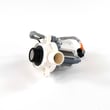
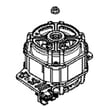
- Drain problems: GE washer drain pump assembly WH23X28418
- No spin or weak spin: washer drive belt WH01X27538
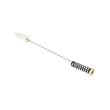
- Repeated out-of-balance: washer suspension rod and spring assembly WH16X26911
Last updated: February 2026
Is the GE 4.5 top load washer any good?
Yes. The GE GTW465ASN1WW 4.5 cu. ft. top load washer is a solid, practical choice for everyday laundry because it uses automatic load sensing for efficient water use and is designed to clean effectively with proper loading and HE detergent. For best results, follow the cycle and loading guidance in the GTW465ASN1WW owner's manual.
What “good” looks like on this washer
A good experience with this GE top-load washer usually means:
- Consistent cleaning when items are loaded loosely around the agitator
- Normal low-water wash levels (high-efficiency operation)
- Smooth cycle starts, including a brief initial spin used for load sensing
- Reliable lid-closed operation (the washer will not start filling with the lid open)
Strengths you will notice in daily use
These are the most common performance advantages for this style of GE washer:
- Automatic load sensing helps match water and agitation to the load size
- High-efficiency wash action uses less water than older top-load designs
- Simple operating steps (load, add detergent, close lid, press Start)
- Good results with HE detergent when you measure correctly
Common complaints and what they usually mean
Some “not so good” feedback is often tied to setup or loading habits rather than a defect.
| Symptom | Common cause | What to do |
|---|---|---|
| Noisy or shaky spin | Load is off-balance or overloaded | Redistribute items; avoid packing clothes tightly |
| Water level seems low | Normal HE operation | Use the correct cycle options; do not add extra detergent |
| Washer won’t start/fill | Lid is open or lid-lock condition | Close lid fully; open and close lid if lid-locked light behavior occurs |
| Unexpected draining | Lid left open with water present | Keep lid closed during pauses; restart cycle as needed |
How to get the best performance (quick checklist)
- Load items loosely around the agitator; do not overload.
- Add detergent after adding clothes (or place detergent packets in the basket before clothes).
- Use HE detergent and reduce the amount for soft water or small loads.
- Do not raise the lid during the initial load-sensing spin.
- If the washer is paused, avoid leaving water sitting for long periods.
Why it matters
This washer is built around high-efficiency, sensor-based operation. When you match your loading and detergent habits to that design, you get better cleaning, fewer balance issues, and more consistent cycle behavior.
Last updated: February 2026
What is the capacity of GTW465ASN1WW?
The GE GTW465ASN1WW top-load washer has a 4.5 cu. ft. capacity, which is the tub size used to describe how much laundry the stainless steel basket can hold for a typical wash load. For cycle and loading guidance, use the GTW465ASN1WW owner's manual.
How that capacity translates to everyday loads
Capacity is a volume rating, so the best results come from loading by basket fill level and fabric type, not by weight.
- Load loosely; don’t pack items down.
- Keep bulky items (comforters, jackets) from wrapping by mixing in a few smaller items.
- For best turnover, leave some space at the top so clothes can circulate.
- If the washer vibrates or goes out of balance, reduce the load size and redistribute.
- Use the cycle that best matches the fabric and soil level (Normal, Heavy Duty, Speed Wash, Drain & Spin).
Quick load-size guide (typical)
These are practical guidelines for a 4.5 cu. ft. top-load washer like the GTW465ASN1WW.
| Load type | What it usually looks like | Best practice |
|---|---|---|
| Small | Basket about 1/4 full | Good for Speed Wash and lightly soiled items |
| Medium | Basket about 1/2 full | Most everyday mixed loads |
| Large | Basket about 3/4 full | Avoid overpacking; distribute evenly |
| Bulky | Fewer large items | Add a few small items to balance, use appropriate cycle |
Why it matters
Using the right load size helps the washer agitate and spin correctly, which improves cleaning, reduces out-of-balance shaking, and can prevent extra wear on drive components such as the washer drive belt WH01X27538.
Last updated: February 2026
What is the life expectancy of a GE washing machine?
A GE washing machine typically lasts 10 to 14 years. For your GE GTW465ASN1WW top-load washer, consistent care (especially avoiding overloads and keeping the washer level) helps you reach the high end of that range.
What affects washer lifespan the most
- Load size and balance: Overloading and repeated out-of-balance spins strain the suspension, drive system, and tub.
- Water supply hose condition: GE recommends replacing fill hoses every 5 years to reduce failure risk.
- Leveling and vibration control: A washer that rubs or shakes can wear parts faster.
- Drain performance: Slow draining can overwork the pump and extend cycle times.
- Electrical safety and power quality: Use a grounded outlet and avoid extension cords.
Maintenance checklist we recommend for GTW465ASN1WW
Use your GTW465ASN1WW owner’s manual for the exact procedures and cycle options.
- Replace water supply hoses on a 5-year schedule
- Keep the washer level by adjusting the leveling legs if it squeaks or rubs
- Run a periodic cleaning/maintenance routine (hot wash or a washer cleaner cycle if equipped)
- Use the right detergent amount to reduce residue buildup
- Stop and redistribute loads that repeatedly bang or go out of balance
Common wear items and what they usually mean
| Symptom | Most common cause | Typical fix direction |
|---|---|---|
| Won’t spin or weak spin | Worn/slipping belt | Inspect and replace the washer drive belt WH01X27538 if glazed, cracked, or loose |
| Loud banging, tub off-center | Worn suspension | Check suspension rods and springs for wear or imbalance |
| Won’t drain or drains slowly | Pump or drain restriction | Check for clogs; replace pump if it hums but won’t move water |
Why it matters
Knowing the typical 10 to 14-year lifespan helps you decide whether to repair or replace. On a washer like the GE GTW465ASN1WW, routine hose replacement, leveling, and avoiding overloads prevent the most common failures in the drive, suspension, and drain systems.
Last updated: February 2026


