Owner’s manual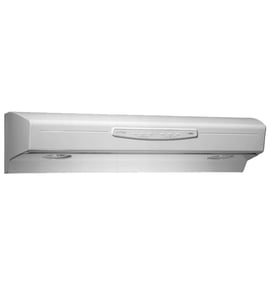


What is the life expectancy of a range hood?
A Kenmore range hood like model 23351041590 typically lasts 10 to 20 years (about 15 years for many homes). Lifespan depends most on how often you cook and how well you keep grease from building up on the fan and filters; regular cleaning helps it reach the high end of the range.
What affects lifespan the most
- Grease and filter maintenance: Grease buildup makes the blower work harder and can shorten motor life.
- Cooking frequency and heat level: Heavy daily cooking and frequent high-heat use wear parts faster.
- Vent setup: Ducted hoods vented outdoors generally perform better; restrictions can strain the blower.
- Dust and construction debris: Keeping drywall dust and spray off the power unit helps prevent bearing damage and noise.
- Electrical wear: Switches and wiring connections can loosen or fail over time.
Parts that most often drive “end of life” decisions
When a hood gets noisy, weak, or intermittent, these are common repair targets:
| Symptom | Common cause | Typical fix |
|---|---|---|
| Fan won’t run or runs intermittently | Worn fan switch or loose wiring | Check connections; replace switch if needed |
| Loud or grinding fan | Motor bearings or blower wear | Replace blower/motor assembly |
| Poor airflow | Greasy filter or restricted ducting | Clean filter; inspect ducting |
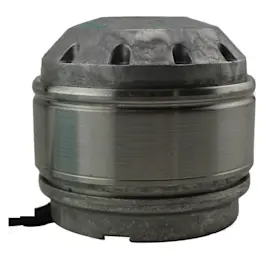
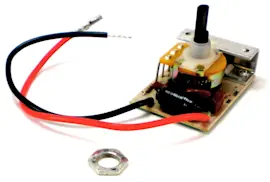
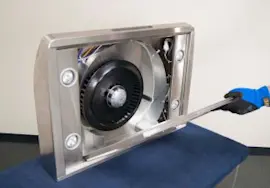
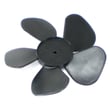
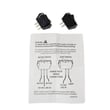
Model-specific parts we often see replaced include the range hood blower assembly S97012248 and the fan/light switch S97016971.
Maintenance that extends life (simple routine)
- Clean the aluminum mesh filter frequently with hot water and mild detergent.
- Wipe grease from the underside of the hood and around the fan intake.
- Run the hood on higher speed during heavy cooking to reduce grease accumulation.
- Inspect ducting for crushed sections, heavy grease, or a stuck exterior damper.
- Disconnect power before cleaning or servicing.
Why it matters
A clean, properly vented hood captures smoke and grease better, keeps the blower from overworking, and reduces noise. That combination is what most often separates a 10-year hood from a 20-year hood.
For model-specific operating and cleaning details, follow the 23351041590 owner’s manual.
Last updated: February 2026
What are the parts of a range hood called?
A Kenmore range hood like model 23351041590 is typically made up of the hood body (canopy), a venting path (ducted or non-ducted), a fan and blower, controls (switches), lights, and one or more grease filters that trap cooking residue.
Common range hood parts (what they do)
- Hood canopy (housing): the main body that captures smoke, steam, and grease
- Grease filter (often aluminum mesh): catches grease before it reaches the blower
- Blower and fan: pulls air through the filter and pushes it into the duct or back into the room (non-ducted)
- Ducting and damper (ducted setups): routes air outdoors; metal ductwork is typically used
- Control switches: turn the fan on/off and select speed; control the lights
- Light lens and lamp area: covers and protects the light opening
- Wiring cover and harness: protects electrical connections and routes power safely
Parts you can replace on Kenmore 23351041590
These are examples of service parts commonly replaced when the hood is noisy, won’t run, or has broken trim.
| Part name | Part ID | What you’ll notice when it fails |
|---|---|---|
| Range hood blower assembly | S97012248 | Fan runs weak, squeals, or won’t move air |
| Switch | S97016971 | Fan or light won’t turn on, or works intermittently |
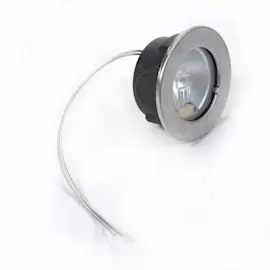
| Range hood light lens | S99110437 | Lens is cracked, missing, or won’t stay in place |
Helpful part pages for this model include the range hood blower assembly S97012248 and switch S97016971.
Where to confirm the exact names for your hood
We list the official part names and show how they fit together in the exploded views and parts list in the 23351041590 owner’s manual.
Why it matters
Using the correct part name helps you match the right Kenmore replacement part the first time, especially for look-alike items such as switches, lenses, and blower assemblies.
Last updated: February 2026
How do I know what model range hood I have?
To identify your range hood model, we look for the model and serial label on the hood itself. On Kenmore model 23351041590, the label is commonly on the top of the hood, on the underside, or behind the aluminum mesh filter.
Where to look on the hood
Check these spots in order (most common first):
- Underside of the hood, near the light lens area
- Behind the filter (remove the aluminum mesh filter and look on the inner frame)
- Top of the hood (especially if you can access it from inside a cabinet)
- Inside the wiring cover area (only if power is off and the cover is easy to remove)
- Side wall inside the hood canopy
What the label should show
Most range hood ID labels include the same core fields. Use the model number for parts matching.
| Label item | What it’s used for | Example |
|---|---|---|
| Model number | Correct parts and diagrams | 23351041590 |
| Serial number | Manufacturing run details | Varies |
| Electrical rating | Safe wiring and circuit info | 120 VAC (typical) |
Tips to make the model number easy to read
Grease and dust can hide the print. Before you assume the label is missing:
- Turn power off at the breaker before cleaning near wiring
- Wipe the label gently with a damp cloth and mild detergent
- Use a flashlight and take a close-up photo, then zoom in
- Copy the model number exactly (all digits, no spaces)
Why it matters
We use the model number to match the correct Kenmore range hood parts (filters, switches, blower components) and to confirm installation and safety details like mounting height and wiring requirements in the 23351041590 owner’s manual.
Last updated: February 2026
Why is my range hood fan not working but light is?
If your Kenmore range hood model 23351041590 light works but the fan does not, the hood is getting power but the fan circuit is not completing. The most common causes are a failed fan switch, a loose/burned wire connection, or a problem in the blower assembly.
Quick checks we recommend first
- Turn the fan rocker switch to HI and LO several times; a worn switch can make intermittent contact.
- Unplug the hood or switch off the breaker before opening any covers.
- Remove and clean the aluminum mesh filter; heavy grease buildup can restrict airflow and make the fan seem “dead.”
- Check for a stuck blower wheel (grease or debris can bind it).
- Inspect wiring connectors for discoloration, looseness, or melted insulation.
Most likely parts to inspect on model 23351041590
Start with the control and then move to the motor/blower.
| Symptom | Most likely cause | What to do next |
|---|---|---|
| Light works, fan never runs on HI or LO | Failed fan switch | Test/replace the switch S97016971 or the other listed switch option for this model |
| Fan hums but won’t start | Blower/motor issue or binding wheel | Check for binding; if free-spinning, replace the range hood blower assembly S97012248 |
| Fan works sometimes | Loose connection or failing switch | Reseat connectors; inspect the harness and switch terminals |
| Fan runs but airflow is weak | Grease-clogged filter or duct restriction | Clean filter, confirm ducting vents outdoors and is not crushed |
Safe troubleshooting steps (power off)
- Disconnect power.
- Access the switch area and blower compartment using the steps in the 23351041590 owner’s manual.
- Check that the fan switch wiring is firmly seated.
- Spin the blower wheel by hand; it should turn smoothly without scraping.
- If the wheel spins freely and wiring looks good, the blower motor assembly is the next most common fix.
Why it matters
A fan that does not run leaves smoke and grease in the kitchen and can allow grease to build up on the filter and fan housing. Keeping the fan and filter clean also helps prevent noisy operation and improves ventilation performance.
Last updated: February 2026