
Is a kerosene heater bad to use indoors?
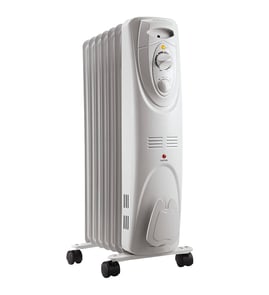
Yes. Using a kerosene heater indoors is a bad idea because it can create dangerous carbon monoxide buildup, add indoor air pollutants, and increase fire risk. For a Remington REM35A portable forced air heater, we treat indoor operation as unsafe unless the heater is specifically rated for indoor use.
What makes indoor kerosene heat risky
- Carbon monoxide (CO): Fuel-burning heaters can produce CO, especially with poor ventilation.
- Oxygen depletion: Combustion uses room oxygen, which can worsen air quality quickly.
- Indoor pollutants and odors: Kerosene combustion can release irritating fumes and soot.
- Fire and burn hazards: Open flame and hot surfaces raise ignition risk near curtains, furniture, and clutter.
- Moisture: Combustion adds humidity, which can lead to condensation issues.
Safer alternatives for indoor heating
If you need heat inside a home, garage, or workshop, these options are typically safer than kerosene:
| Option | Best for | Key safety note |
|---|---|---|
| Electric space heater | Most indoor rooms | Use a dedicated outlet, keep clearances |
| Vented fuel heater | Larger spaces | Must vent outdoors correctly |
| Central heat or heat pump | Whole-home heating | Maintain filters and airflow |
If you already used one indoors
- Turn it off and let it cool completely.
- Air out the space (open doors and windows).
- If anyone has headache, dizziness, nausea, or confusion, move to fresh air immediately and get medical help.
- Before using the heater again, inspect for fuel leaks, damaged wiring, and a stable base.
Why it matters
Kerosene heaters are designed to burn fuel, and combustion byproducts are the main problem indoors. Even a short run time in a tight space can create unsafe air conditions, so we recommend choosing an indoor-rated heating method instead.
For general DIY safety guidance before any repair or troubleshooting, review are diy appliance repairs safe.
Last updated: February 2026
How many square feet will a 10,000 BTU kerosene heater heat?
A 10,000 BTU kerosene heater typically heats about 350 to 450 square feet in average conditions. In a drafty garage, high-ceiling shop, or poorly insulated room, expect less coverage; in a tight, well-insulated space, it can feel warmer and more even.
Quick coverage guide (what changes the most)
- Insulation quality: better insulation increases effective square footage
- Ceiling height: tall ceilings reduce comfort at floor level
- Outdoor temperature: colder weather increases heat loss
- Drafts and air leaks: open doors, gaps, and fans reduce performance
- Room layout: open floor plans need more BTUs than closed rooms
- Heater type: radiant vs. convection vs. forced-air affects how heat feels
Rule-of-thumb BTU sizing
A common sizing shortcut is 20 to 30 BTU per square foot for many indoor spaces.
| Space conditions | BTU per sq. ft. (typical) | 10,000 BTU coverage (approx.) |
|---|---|---|
| Well insulated, mild weather | 20 | 500 sq. ft. |
| Average insulation | 25 | 400 sq. ft. |
| Drafty, cold, or high ceilings | 30+ | 330 sq. ft. or less |
Using a 10,000 BTU heater safely and effectively
- Place the heater on a stable, non-combustible surface
- Keep clearances around the heater; never aim heat at fuel cans, paint, or solvents
- Use the heater for zone heating (the area you occupy) instead of trying to heat an entire building
- Maintain fresh air ventilation appropriate for fuel-burning heaters
- Keep the unit clean; dust and debris can affect combustion and airflow
Why it matters
Sizing a kerosene heater correctly helps you get comfortable heat without overworking the unit. For the Remington REM35A portable forced air heater, real-world square footage depends heavily on insulation and airflow, so planning for the lower end of the range prevents disappointment.
For general repair readiness (like checking a switch, fuse, or wiring if the heater will not run), we recommend reviewing how to use a multimeter to test electrical parts video.
Last updated: February 2026
Why is my space heater not turning on?
If your Remington REM35A portable forced air heater won’t turn on, the most common causes are no power at the outlet, a tripped safety device (tip-over/overheat), or an open electrical component such as a fuse, switch, or motor circuit. Start with power and reset checks before testing parts.
Quick checks first (no tools)
- Confirm the outlet works by plugging in a lamp or phone charger.
- Reset the heater: unplug it for 10 minutes, then plug it directly into a wall outlet (not a power strip).
- Make sure the heater is on a stable, level surface (tip-over safety can prevent startup).
- Check for overheating: let the unit cool fully, then clear dust and obstructions from the air intake and outlet.
- Verify the control knob/switch is firmly set to an ON/HEAT position.
Electrical checks (basic DIY)
Unplug the heater before opening any panels or touching wiring.
- Inspect the power cord and plug for cuts, burn marks, or loose prongs.
- Check your home circuit: reset the breaker or replace a blown fuse if the circuit is dead.
- If the heater has a replaceable fuse, test it for continuity.
- Test the ON/OFF switch for continuity in the ON position.
- Test the motor circuit for continuity; many forced-air heaters will not energize heat unless the fan motor runs.
Helpful how-to resources:
- How to tell if a fuse is blown
- How to use a multimeter to test electrical parts video
- How to repair broken or damaged wires video
What the symptoms usually mean
| Symptom | Most likely cause | What to do next |
|---|---|---|
| No lights, no fan, no heat | No power, bad cord/plug, blown fuse | Verify outlet, inspect cord, test fuse |
| Light on but no fan | Fan motor issue, switch, wiring | Check for blockage, then test motor/switch |
| Starts then shuts off | Overheat or airflow restriction | Cool down, clean intake/outlet, check fan |
| Works on some settings only | Worn switch/control | Test switch continuity by setting |
Why it matters
A forced-air heater depends on safe airflow. If the fan cannot run or the unit overheats, built-in safety devices can stop the heater from powering on to prevent damage.
Last updated: February 2026
What are common problems with kerosene heaters?
Common problems with kerosene heaters (including portable forced air heaters like the Remington REM35A) are hard starting, smoking/sooting, strong odors, and shutting off unexpectedly. These issues usually trace back to fuel quality, restricted airflow, dirty combustion components, or electrical problems in the ignition and safety circuits.
Most common symptoms and what they usually mean
- Won’t ignite or keeps clicking: weak spark, dirty igniter area, bad connection, or low power supply
- Starts then shuts off: flame sensor or safety circuit reacting to poor combustion, low fuel delivery, or overheating
- Smoke or soot: contaminated fuel, dirty nozzle/burner area, or incorrect air-to-fuel mix
- Strong kerosene odor: stale fuel, incomplete combustion, or using the heater in a tight space
- Fan runs but little heat: restricted air intake/outlet, dirty internal passages, or fuel delivery issue
Quick checks we recommend (safe, practical)
- Use clean, fresh kerosene from a sealed container; drain old fuel if it smells “varnishy.”
- Inspect the air path: keep the intake and outlet clear; remove dust buildup on grills.
- Check power: try a known-good outlet; avoid long, undersized extension cords.
- Look for loose or damaged wiring and heat-discolored connectors.
- Let the heater cool before restarting if it shut down; overheating trips are common when airflow is blocked.
Troubleshooting guide by problem
| Problem | Most likely causes | What to do first |
|---|---|---|
| Won’t start | power issue, igniter issue, dirty fuel system | verify outlet, inspect wiring, refresh fuel |
| Smokes/soots | dirty fuel, restricted air, dirty combustion area | clear airflow, clean dust, replace fuel |
| Shuts off | overheating, poor combustion, sensor/safety trip | clear intake/outlet, cool down, recheck fuel |
| Strong odor | stale fuel, incomplete combustion, tight space | fresh fuel, improve ventilation |
Why it matters
Kerosene heaters that smoke, smell strongly, or shut off repeatedly are telling you combustion is not stable. Fixing the root cause protects the heater’s ignition components, reduces soot buildup, and helps prevent unsafe operating conditions.
Helpful DIY guidance
- How to tell if a fuse is blown
- How to use a multimeter to test electrical parts video
- Are diy appliance repairs safe
Last updated: February 2026
Can a battery backup run a space heater?
Yes, a battery backup can run a Remington REM35A portable forced air heater if the backup provides enough continuous AC watts for the heater and any brief startup surge. Runtime is usually short because heaters are high-draw loads, so sizing the battery correctly matters.
What to check before you plug in the REM35A
- Heater input rating: Read the REM35A data plate for watts or amps (amps × 120V = watts).
- Continuous inverter output: The battery backup’s AC output must meet or exceed the heater’s running watts.
- Surge rating: Allow extra capacity for fan startup (surge watts).
- Outlet type: Use a 120V AC outlet on the backup (not DC-only ports).
- Cord and plug condition: Damaged cords or loose plugs create heat and voltage drop.
Quick runtime estimate (works for any battery backup)
Use this to estimate how long the REM35A will run:
Runtime (hours) = Battery capacity (Wh) × 0.85 ÷ Heater load (W)
| Battery capacity | Heater load example | Estimated runtime |
|---|---|---|
| 500 Wh | 1,500 W | ~0.28 hr (about 15 to 20 min) |
| 1,000 Wh | 1,500 W | ~0.57 hr (about 30 to 40 min) |
| 2,000 Wh | 1,500 W | ~1.13 hr |
Why it matters
Portable forced air heaters like the REM35A can drain batteries quickly. Matching the heater’s nameplate watts to the backup’s continuous and surge ratings prevents inverter shutdowns, overheated cords, and nuisance trips.
Tips to make backup power last longer
- Run the lowest usable heat setting
- Heat one closed room instead of an open area
- Avoid extension cords; if needed, use a short, heavy-duty cord
- Keep air intake and discharge fully clear
- Verify the outlet and wiring are solid; use how to tell if a fuse is blown if you suspect a power issue
Last updated: February 2026