Installation guide
 Owner’s manual
 Error Codes



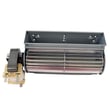
What is conv roast on an LG oven?
Convection roast (often shown as “Conv Roast”) on the LG LWD3010ST uses a fan to circulate hot air while roasting, which helps cook meat more evenly and improves browning. It is best for roasting tender cuts and poultry when you want a crisp exterior without overcooking the inside.
How convection roast works
Convection roast combines radiant heat from the oven elements with forced air movement from the convection fan. That airflow reduces hot and cool spots, so large roasts cook more consistently.
Best uses
- Whole chicken or turkey
- Pork loin, beef roast, lamb roast
- Sheet-pan meals with vegetables
- Foods where browning matters (skin-on poultry, roasted vegetables)
How to use Conv Roast on the LWD3010ST
We recommend following the exact button sequence and rack positions in the LWD3010ST owner's manual. In general, the process looks like this:
- Select Conv Roast on the control panel.
- Set the target temperature.
- Preheat if your recipe calls for it.
- Place the food on the recommended rack position (often a lower or middle rack for roasts).
- Use a meat thermometer and start checking early.
Temperature and time expectations
Convection roasting often finishes faster than standard roast because heat transfer is more efficient.
| Setting | What to expect | Typical adjustment |
|---|---|---|
| Bake/roast (no fan) | More traditional roasting | Baseline recipe |
| Conv roast | More even cooking, better browning | Start checking 10 to 20 minutes early |
Why it matters
Using Conv Roast on your LG wall oven can improve texture and doneness, especially on thicker cuts. It also helps reduce the chance of overcooked edges with an underdone center.
Last updated: February 2026
Can you still buy wall ovens?
Yes. Wall ovens are still widely sold, and you can also keep an existing LG LWD3010ST wall oven running by replacing common wear parts and controls as needed. For fit, electrical requirements, and installation details, use the LWD3010ST installation guide.
What “buying a wall oven” usually means
If you’re shopping today, you typically have two paths:
- Buy a new wall oven (single or double) that matches your cabinet cutout and electrical supply
- Replace parts on your current wall oven to restore heating, convection, lighting, or controls
- Upgrade features (convection, self-clean, touch controls) by choosing a newer model that fits the same opening
Key compatibility checks before you purchase
Wall ovens are not one-size-fits-all. Before ordering a new unit, we recommend confirming these items:
- Cabinet cutout size (height, width, depth)
- Electrical supply: dedicated circuit, correct voltage, and proper grounding
- Hardwire requirement: many wall ovens must be direct-wired to a junction box (no plug)
- Ventilation clearance: do not block the bottom air exhaust
- Mounting method: mounting screws must be used to secure the oven to the cabinet
Electrical basics (common for wall ovens)
Your LG LWD3010ST installation requirements include a properly grounded, dedicated branch circuit; circuit protection is based on the oven’s wattage rating plate.
| Oven type | Typical breaker range | Typical wire gauge range |
|---|---|---|
| Single wall oven | 20A to 30A | #12 to #10 AWG |
| Double wall oven | 30A to 40A | #10 to #8 AWG |
For exact requirements and 3-wire vs 4-wire connection rules, follow the LWD3010ST installation guide.
Why it matters
A wall oven purchase is really a fit-and-power project. Matching the cabinet opening and wiring method prevents installation delays, overheating issues, and nuisance shutdowns.
Last updated: February 2026
What is the best brand for electric wall ovens?
For an electric wall oven, the “best” brand is the one that fits your cabinet cutout, electrical supply (208V/240V), and service support in your area. For the LG LWD3010ST specifically, we focus on correct installation and reliable operation; brand-to-brand “best” varies by features, parts availability, and budget.
How we recommend choosing a “best” electric wall oven brand
We see the fewest headaches when you choose based on fit, power requirements, and long-term serviceability, not just features.
- Fit first: confirm cutout dimensions and required clearances before buying.
- Electrical match: verify your home wiring and breaker size support the oven’s load.
- Service and parts: pick a brand with strong local service and readily available parts.
- Features you will actually use: convection, self-clean, smart controls, probe, etc.
- Total cost: include installation, electrical work, and potential trim/filler needs.
Electrical and installation factors that matter (often more than brand)
The LWD3010ST installation requirements highlight why “best brand” depends on your home setup. This model is designed to be hard wired to an approved junction box (no plug/receptacle), and it needs a dedicated, properly grounded branch circuit. For exact requirements and diagrams, use the installation guide.
Quick comparison: what to verify before you pick a brand/model
| What to check | Why it matters | Where to confirm |
|---|---|---|
| Cutout size and cabinet support | Prevents gaps, binding, and heat issues | Installation guide |
| Junction box location | Ensures the oven can slide in without pinching wiring | Installation guide |
| Breaker and wire gauge | Prevents nuisance trips and overheating | Installation guide |
| 208V vs 240V supply | Affects performance and electrical sizing | Installation guide |
Why it matters
Most “bad brand” experiences come from mismatched cutouts, incorrect wiring, or poor ventilation, not the badge on the door. Getting installation and electrical requirements right protects the control board, thermostats, and wiring harness over the long term.
Last updated: February 2026
Is a 27 inch wall oven too small?
A 27-inch wall oven is not too small for most households; it is a common “compact full-size” option that still handles everyday baking and roasting. For the LG LWD3010ST, the key is confirming your cabinet cutout and electrical supply match the installation requirements in the LWD3010ST installation guide.
When a 27-inch wall oven is a good fit
- You cook for 1 to 4 people most days.
- Your kitchen layout or existing cabinet cutout is built for 27-inch width.
- You want a built-in look but have limited wall space.
- You bake standard pans and casseroles more often than oversized roasting pans.
- You prefer easier reach and less heat loss than a larger cavity can have.
When you may want to size up to 30 inches
- You regularly cook for 5+ people or host often.
- You use extra-wide sheet pans, large pizza stones, or oversized roasters.
- You want more flexibility to bake multiple trays with more spacing.
What matters most: cutout, leveling, and wiring (not just width)
The oven size only works if the cabinet cutout is correct and the base is level. The installation instructions call for level runners/braces to support the oven’s weight and help prevent the oven glides from sliding when the door opens. Also, the oven must be hard-wired to an approved junction box; a plug and receptacle setup is not permitted.
Quick checklist for LWD3010ST installations
| Item to verify | What to look for | Why it matters |
|---|---|---|
| Cabinet base and runners | Level and square | Prevents shifting and door-related movement |
| Junction box placement | Flush with rear wall (or adjacent cabinet as allowed) | Keeps wiring safe and accessible |
| Dedicated circuit | Correct breaker size for the oven’s rating | Prevents nuisance trips and overheating |
| Air exhaust | Bottom exhaust not blocked | Avoids cabinet damage and performance issues |
Why it matters
Choosing 27 inches is usually about matching an existing cutout and keeping a clean built-in fit. If the cutout, support runners, or electrical connection are wrong, even the “right” width oven can install poorly or perform inconsistently.
Last updated: February 2026