Installation guide
 Owner’s manual
 Error Codes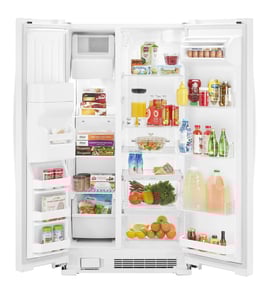


What is a standard size side by side refrigerator?
A “standard” side-by-side refrigerator is usually about 33 to 36 inches wide, 65 to 71 inches tall, and 28 to 34 inches deep (depth varies most depending on handles and whether it’s counter-depth). For your built-in Jenn-Air JS48SEDUDW20, the installation clearances and panel dimensions in the installation guide matter more than generic “standard” sizing.
Typical side-by-side size ranges (quick reference)
Most side-by-side refrigerators sold for freestanding kitchens fall into these common ranges:
- Width: 33 to 36 inches
- Height: 65 to 71 inches
- Depth: 28 to 34 inches (often deeper with handles)
- Capacity: commonly 20 to 28 cu. ft. (varies by design)
What’s different about JS48SEDUDW20 (built-in sizing and clearances)
This Jenn-Air model is a 48-inch built-in style unit, so cabinet opening, door swing, and side clearance are the sizing details that drive fit.
Key installation points called out for this style of refrigerator:
- Plan for door swing clearance so doors can open without hitting walls or cabinetry.
- If installed near a corner wall, allow at least 4 1/2 inches between the side of the refrigerator and the corner wall (more if using thicker custom panels or handles).
- Side panels (when used) should be at least 1/2 inch thick to help prevent warping.
Common “standard” vs built-in comparison
| Feature | Freestanding side-by-side (typical) | Built-in JS48SEDUDW20 (typical) |
|---|---|---|
| Width | 33 to 36 inches | 48-inch built-in class |
| Fit method | Slides into kitchen space | Designed around cabinet opening and trim |
| Main sizing risk | Depth and door clearance | Door swing, side clearance, panel/trim dimensions |
Why it matters
If you’re replacing an older refrigerator or planning cabinetry, using “standard” dimensions can lead to clearance problems (doors not opening fully, handles hitting walls, or trim/panels not fitting). For JS48SEDUDW20, the installation specs are the reliable way to avoid rework.
Last updated: February 2026
What is the life expectancy of a JennAir refrigerator?
A Jenn-Air refrigerator typically lasts 15 years. For a built-in side-by-side like Jenn-Air JS48SEDUDW20, good maintenance (clean airflow areas, stable temperatures, and timely filter changes) helps you reach that lifespan and avoid premature cooling-system wear.
Typical lifespan and what affects it
Most refrigerators fail early due to heat, restricted airflow, or heavy compressor run time. We see the longest service life when these basics stay under control:
- Keep condenser airflow clear (dust and pet hair raise operating temperatures)
- Maintain steady settings (avoid frequent warm-to-cold swings)
- Replace the water filter on schedule if you use the dispenser/ice maker
- Keep door seals sealing tightly to prevent moisture and frost load
- Level the cabinet so doors close consistently (built-ins are sensitive to alignment)
For model-specific care and installation details (leveling, alignment, clearances), follow the installation guide.
What “normal” looks like over time
Here is a practical way to think about expected ownership timeline:
| Age of refrigerator | What’s common | What to do |
|---|---|---|
| 0 to 5 years | Minor adjustments, occasional ice/water issues | Keep airflow clear; change filter |
| 6 to 10 years | Fan noise, temperature swings, seal wear | Inspect door gaskets; listen for fan changes |
| 11 to 15 years | Higher chance of control, fan, or defrost issues | Troubleshoot promptly to protect the compressor |
| 16+ years | End-of-life failures become more likely | Compare repair cost vs. replacement |
Maintenance that most improves life expectancy
These steps reduce compressor stress and help the refrigerator hold temperature efficiently:
- Vacuum/brush condenser areas regularly (frequency depends on dust and pets)
- Confirm doors close on their own and don’t pop open
- Don’t overpack; leave space for air circulation inside compartments
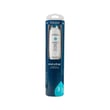
- If you have water/ice, replace the refrigerator filter EDR3RXD1 on schedule
- Address unusual noises early (evaporator fan and condenser fan problems can snowball)
Why it matters
Life expectancy is mostly about compressor run time and heat. When airflow is restricted or doors leak, the refrigerator runs longer, temperatures drift, and components wear faster. Preventive care is the simplest way to get a full 15-year service life.
Last updated: February 2026
What are common problems with JennAir refrigerators?
Common problems we see with Jenn-Air refrigerators like model JS48SEDUDW20 include warm temperatures from airflow or fan issues, ice maker and water dispenser problems, water leaks from drain or supply connections, and door sealing or alignment concerns. Many fixes start with cleaning, checking airflow, and verifying the water supply per the installation guide.
Most common issues (and what to check first)
- Not cooling or uneven temps: Make sure vents are not blocked by food; listen for evaporator fan operation.
- Noisy operation: Fan blades can rub ice or debris; check the evaporator area for frost buildup.
- Ice maker or dispenser not working: Confirm the household water supply is on and the line is not kinked.
- Water leaking or puddles: Look for a clogged defrost drain or a loose water line fitting.
- Door not sealing or doors not closing: Check leveling and alignment; built-in units are sensitive to cabinet fit.
Quick troubleshooting steps for JS48SEDUDW20
- Power reset: Unplug (or switch off breaker) for 5 minutes, then restore power.
- Airflow check: Keep items from touching the rear wall and blocking return vents.
- Water system check: Verify shutoff valve is fully open; inspect tubing connections.
- Filter basics: Replace the water filter on schedule and flush water after replacement.
- Leveling and alignment: Follow the leveling guidance in the install instructions; small adjustments prevent trim and door alignment problems.
Parts that commonly solve these symptoms
| Symptom | Common part to inspect/replace | Why it matters |
|---|---|---|
| Poor water flow, bad taste/odor | Refrigerator filter EDR3RXD1 | A restricted filter reduces dispenser flow and can affect ice production. |
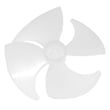
| Warm fridge section, frost, noise | Refrigerator evaporator fan blade WP2169142 | A damaged blade can reduce airflow and create noise. |
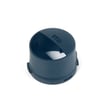
| No water to dispenser/ice maker | Refrigerator water inlet valve WPW10159842 | A weak or stuck valve prevents proper fill and dispensing. |
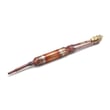
| Temps swing or won’t stabilize | Refrigerator temperature sensor WP2188820 | A faulty sensor can cause incorrect cooling decisions. |
Why it matters
Built-in side-by-side refrigerators rely on correct installation, leveling, airflow, and water supply. When any of these are off, you can get temperature complaints, leaks, and door sealing issues that look like bigger failures.
Last updated: February 2026
What are the most reliable side-by-side refrigerators?
The most reliable side-by-side refrigerators are typically the simplest, most serviceable designs from major brands with widely available parts and straightforward ice and water systems. For your Jenn-Air JS48SEDUDW20, long-term reliability improves most when we follow the maintenance and installation clearances in the installation guide.
What “reliable” means for side-by-side refrigerators
Reliability usually comes down to fewer breakdowns in these high-use systems:
- Sealed system and compressor control (inverter/control boards)
- Evaporator fan airflow and defrost performance
- Door sealing and alignment (prevents frost and warm spots)
- Ice maker and water dispenser components (valves, filters, fittings)
- Temperature sensing and control accuracy
Brand and design traits that usually hold up best
We see the best long-term results when a side-by-side has:
- Stable cabinet temperatures (good airflow, clean condenser area)
- A strong door seal and correct door alignment
- A standard, easy-to-service water filter and inlet valve setup
- Fewer “extra” features that add boards, sensors, and wiring
Quick comparison: what to prioritize
| What you prioritize | What to look for | What to avoid |
|---|---|---|
| Fewer repairs | Simple controls, proven ice maker design | Overly complex dispenser/ice features |
| Lower operating stress | Good ventilation and correct clearances | Tight installs that trap heat |
| Easier maintenance | Common filters and accessible fans | Hard-to-access components |
How to improve reliability on a built-in Jenn-Air like JS48SEDUDW20
Installation and airflow matter more on built-in units than many owners expect. The install guidance for this platform calls out clearances, including allowing at least 4 1/2 inches between the side of the refrigerator and a corner wall for proper door swing and fit (more if using thicker custom panels or handles). Use the installation guide to confirm your exact layout.
Maintenance steps that prevent the most failures
- Replace the water filter on schedule; a restricted filter can reduce water flow and strain the valve
- Keep doors sealing tightly; warm air leaks drive frost and fan/defrost issues
- Avoid overpacking; blocked vents cause temperature swings
- Purge air after filter changes to reduce dispenser sputtering
- Address unusual fan noise early (often a blade/ice rub issue)
If you are maintaining the water system, the correct filter for this model’s parts list is the refrigerator filter EDR3RXD1.
Why it matters
Side-by-side refrigerators run their fans, defrost system, and ice and water components constantly. Small issues (tight clearances, weak door seal, overdue filter) create extra run time and temperature swings that shorten the life of controls, fans, and valves.
Last updated: February 2026