Installation guide
 Owner’s manual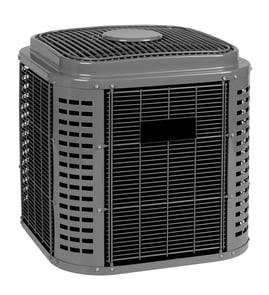



What is the average cost to replace a central AC unit?
Replacing a central AC system typically costs $6,500 to $12,000 installed, with common totals ranging from $2,500 to $16,000+ depending on equipment efficiency, job complexity, and whether the indoor coil, refrigerant lines, or ductwork also need work. For Icp NAC060AKA1 (a condensing unit), the final price is driven by the full system match and labor scope.
What drives the price for a NAC060AKA1-STYLE replacement
Even if you are only replacing the outdoor condenser, the installed price usually reflects everything needed to make the system operate safely and efficiently.
- Capacity match (tonnage and coil pairing): correct sizing and a properly matched indoor coil
- Efficiency level (SEER): higher efficiency equipment costs more upfront
- Refrigerant work: recovery, evacuation, recharge, leak checks, and possible line set replacement
- Electrical scope: disconnect, breaker sizing, whip, grounding, and control wiring
- Ductwork and airflow: duct repairs, returns, and static pressure corrections
- Access and logistics: pad replacement, tight clearances, roof installs, crane lifts
Typical installed cost ranges
| Replacement scenario | Typical total installed cost | What is usually included |
|---|---|---|
| Straight swap (easy access, minimal changes) | $2,500 to $6,500 | Outdoor unit, basic startup, refrigerant adjustments |
| Most common full replacement | $6,500 to $12,000 | Condenser plus coil match, standard electrical, refrigerant work |
| Complex or premium upgrade | $12,000 to $16,000+ | Major electrical or duct changes, difficult access, higher-efficiency equipment |
Repair vs replace: quick decision guide
If your NAC060AKA1 is not cooling, some failures cost far less than replacement and are often electrical.
- Repair is common for control and power issues (contactor, wiring, capacitor)
- Replace is common when there are repeated compressor or coil failures
- Intermittent no-cool often points to loose connections or failing electrical components
| Symptom | Often points to | Typical next step |
|---|---|---|
| Outdoor unit will not start | Contactor, wiring, capacitor | Electrical diagnosis and part replacement |
| Runs but weak cooling | Refrigerant issue, airflow/duct | Leak check, airflow verification |
If you are troubleshooting a no-start condition, one model-listed electrical part is the plug wire 1083654.
Why it matters
A properly matched, correctly installed system cools better, uses less energy, and avoids repeat service calls. Use the installation guide to confirm required clearances, wiring practices, and setup steps before approving an installation scope.
To shop parts for NAC060AKA1, use the parts list for this model or search by model number on Sears PartsDirect.
Last updated: February 2026
What is the average lifespan of a central air conditioning unit?
Most central air conditioning condensing units, including the Icp NAC060AKA1, last 15 to 20 years with correct sizing, proper airflow, and yearly professional maintenance.
Typical lifespan ranges
These are the real-world averages we see for central AC systems:
- 15 to 20 years: typical lifespan for a well-maintained central AC condensing unit
- 10 to 12 years: common when maintenance is skipped or the system is oversized/undersized
- 20+ years: possible with excellent maintenance and mild operating conditions
What shortens (or extends) lifespan
A central AC usually fails early because of heat stress, electrical wear, and airflow problems. Focus on these items:
- Keep the outdoor coil clean and the unit clear of leaves, grass, and lint
- Replace/maintain the indoor air filter on schedule to protect airflow
- Have a technician check refrigerant charge and static pressure
- Tighten and inspect electrical connections (contactor, wiring, capacitor)
- Confirm the condenser fan runs smoothly and the top is not recirculating hot air
Lifespan vs. warranty: how to think about it
Your unit can run well beyond warranty coverage, but warranty terms often require documented maintenance.
| Item | What it tells you | What to do |
|---|---|---|
| Lifespan (average) | How long the unit typically runs before major failure | Plan for replacement around year 15 to 20 |
| Warranty terms | What parts may be covered for defects for a set time | Keep install date, proof of purchase, and service records |
| Maintenance history | Biggest predictor of long life | Schedule annual service and keep documentation |
Why it matters
Knowing the expected lifespan helps you decide whether to invest in a repair (like a contactor or wiring fix) or plan for replacement, especially if the compressor or coil is involved.
For model-specific maintenance and recordkeeping guidance, use the NAC060AKA1 owner's manual. For installation-related requirements that affect performance and longevity, use the NAC060AKA1 installation guide. If you need replacement parts for this model, you can order from the parts list for NAC060AKA1 or search by model on Sears PartsDirect.
Last updated: February 2026
What is the most common part to fail on an AC unit?
On most central AC condensing units like the Icp NAC060AKA1, the most common electrical failure is the run capacitor, which helps start and keep the compressor and condenser fan motor running. Another frequent failure is the contactor that switches high voltage to the outdoor unit; use the installation guide for correct wiring and service notes.
Most common failures (what you will notice)
- Run capacitor: outdoor unit hums, fan will not start, compressor will not start, intermittent starts.
- Contactor: thermostat calls for cooling but outdoor unit does nothing, chattering or buzzing, burned contacts.
- Wiring/connectors: melted insulation, loose spade terminals, intermittent operation (often heat-related).
- Condenser fan motor: fan runs slow or not at all; unit overheats and shuts down.
- Compressor: hard start, loud buzzing, breaker trips (less common than capacitor/contactor).
Quick checks that help pinpoint the failed part
Turn off power at the disconnect and breaker before opening the outdoor unit.
- Confirm the thermostat is calling for cooling and the indoor blower is running.
- Inspect for obvious heat damage: darkened wires, swollen capacitor, burned contactor points.
- Check for loose push-on terminals and corrosion on low-voltage connections.
- If you have a meter, test safely: voltage at the contactor line/load, and capacitor microfarads.
Common symptom-to-part guide
| Symptom | Most likely cause | What to do next |
|---|---|---|
| Hums but will not start | Run capacitor | Test capacitor; replace if out of spec |
| No outdoor response at all | Contactor or low-voltage issue | Check 24V at contactor coil; inspect wiring |
| Starts then shuts off quickly | Weak capacitor, fan issue, dirty coil | Check capacitor and condenser fan operation |
| Buzzing or chattering at unit | Contactor | Inspect contacts and coil; replace if pitted or burned |
Model-relevant parts to consider
If your diagnosis points to damaged wiring on the NAC060AKA1, replace heat-damaged leads and match the connector style and gauge.
Why it matters
A weak capacitor, failing contactor, or overheated wiring can cause repeated hard starts, overheating, and nuisance breaker trips. Fixing the root electrical issue early helps protect the compressor, which is the most expensive component in the outdoor condensing unit.
You can order replacement parts from the parts list for your NAC060AKA1, or search by model number on Sears PartsDirect.
Last updated: February 2026