View engine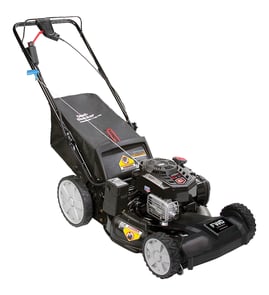





What is the average lifespan of a gas lawn mower?
A gas walk-behind mower like the Craftsman CMXGMAM1125502 typically lasts 8 to 10 years with normal residential use; with consistent maintenance, 10 to 15 years is common. In hours, plan on roughly 500 to 1,000 operating hours before major wear items and engine work become more likely.
What most affects lifespan
- Maintenance frequency (oil changes, air filter service, blade care)
- Fuel quality and storage (stale gas is a top mower killer)
- Mowing conditions (sand, dust, steep slopes, thick or wet grass)
- Run time per season (large yards add hours fast)
- Deck cleaning (grass buildup traps moisture and accelerates corrosion)
Maintenance that extends life the most
Keeping up with these basics usually adds years to a mower’s life:
- Change engine oil on schedule and keep the oil at the correct level
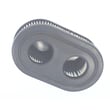
- Replace or clean the air filter regularly; a clogged filter makes the engine run rich and wear faster (see air filter 593260)
- Keep fuel fresh; use stabilizer for storage and avoid leaving old fuel in the tank
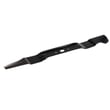
- Sharpen and balance the blade; a dull blade overloads the engine and increases vibration
- Clean the underside of the deck to prevent heavy buildup
Quick “repair vs replace” guide
| If your mower has this issue | Usually worth repairing? | Why |
|---|---|---|
| Won’t start after storage | Yes | Often fuel, spark plug, or air filter related |
| Runs rough or surges | Often | Commonly carburetor or fuel system cleaning |
| Excessive vibration | Depends | Could be blade damage or crankshaft damage |
| Major engine smoke/knock | Often no | Internal engine wear can exceed mower value |
Why it matters
Knowing the typical lifespan helps you decide when routine tune-ups (filters, blade service, fuel system care) make sense versus when you are approaching the point where larger repairs are more likely. For seasonal equipment, good storage habits are just as important as in-season mowing.
For seasonal upkeep tips that prevent early failure, use how to winterize a lawn mower.
Last updated: January 2026
How to tell the year of a Craftsman lawn mower?
For the Craftsman CMXGMAM1125502 walk-behind mower, the exact build year usually is not identified by the model number alone; you typically need the engine or product date code from the ID label. Once you find that code, you can decode it to determine the year.
Where to find the date information
On many Craftsman walk-behind mowers, the most reliable “year” clue is on the engine identification label (often on the blower housing, valve cover area, or near the muffler heat shield). If your mower has a separate product label on the deck, check that too.
Look for:
- A stamped or printed date code (sometimes 6 digits)
- An engine model/type/code line (common on Briggs & Stratton engines)
- A serial number or DOM (date of manufacture)
How date codes are commonly formatted
Because Craftsman and engine suppliers use different formats, we decode the year based on the exact code style you find.
Common patterns you may see:
- MMDDYY (month, day, year) on some labels
- YYMMDD (year, month, day)
- Julian date (year plus day-of-year)
Quick comparison table
| Code style you find | Example | What it usually means |
|---|---|---|
| 6 digits (MMDDYY) | 072811 | July 28, 2011 |
| 6 digits (YYMMDD) | 110728 | July 28, 2011 |
| Julian (varies) | 21123 | 2021, 123rd day |
Why it matters
Knowing the year helps us match the right maintenance parts and tune-up intervals for your CMXGMAM1125502, especially when engines or deck components changed mid-production.
Parts that often come up when you are identifying and servicing the mower
While you are locating labels and cleaning the engine area, these are common service items for this model:
If the label is dirty or hard to read, cleaning around it can also prevent overheating and debris buildup; pre-summer mower check: how’s it holding up? is a good checklist to follow.
Last updated: January 2026
What are the common problems with Craftsman lawn mowers?
On the Craftsman CMXGMAM1125502 walk-behind mower, the most common problems we see are no-start or hard-start issues, rough running or stalling, poor cutting quality, and excessive vibration. These usually trace back to fuel quality, airflow (filter), ignition tune-up items, or blade and deck condition.
Most common symptoms and what they usually mean
- Won’t start / starts then dies: stale fuel, restricted carburetor, clogged vented fuel cap, dirty air filter
- Runs rough / surges: partially clogged carburetor, air leak, dirty filter, old fuel
- Cuts unevenly: dull or bent blade, mowing too fast, deck packed with wet clippings
- Vibrates a lot: damaged blade, loose blade bolt, debris wrapped around the blade area
- Poor bagging / clumping: wet grass, overgrown lawn, deck buildup, bag airflow restriction
Quick checks we recommend first (safe and fast)
- Turn the engine off and let it cool; disconnect the spark plug wire before touching the blade area.
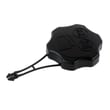
- Check fuel freshness and the cap vent; a plugged vent can starve the engine. If the cap is damaged, replace the fuel cap 84004416.
- Inspect and replace a dirty filter; restricted airflow causes hard starting and rough running. Use the air filter 593260.
- Clean the underside of the deck and discharge area to restore airflow.
- Inspect the blade for bends, cracks, or heavy nicks; sharpen or replace as needed.
Common problems vs likely fix
| Problem you notice | Most likely cause | Typical next step |
|---|---|---|
| Starts then stalls | Fuel restriction | Check cap vent, fuel quality, carburetor cleaning |
| Rough running/surging | Dirty fuel system or filter | Replace air filter; service carburetor |
| Clumping under deck | Wet grass or buildup | Clean deck; adjust mowing habits |
| Excess vibration | Blade damage/loose hardware | Inspect blade and tighten/repair |
Why it matters
Catching these issues early helps prevent hard starting, protects the engine from running too lean or too rich, and reduces deck corrosion and vibration-related wear.
For deck buildup prevention and better cut quality, follow how to prevent grass buildup on your walk behind lawn mower.
Last updated: January 2026