Owner’s manual
 Error Codes


How do I reset my GE side by side refrigerator?
To reset your GE GSH22JSXASS side-by-side refrigerator, we recommend a simple power reset: unplug the refrigerator (or turn off the breaker) for about 5 minutes, then restore power. This clears many control glitches without changing your temperature settings.
Quick reset options (most common)
- Power reset (recommended): Unplug for 5 minutes, then plug back in.
- Cooling system reset (controls): Use the temperature controls to turn cooling OFF (both displays show 0), wait 30 seconds, then turn cooling back ON.
- Dispenser lock reset (if the panel seems unresponsive): Press and hold Crushed and Cubed for 3 seconds to toggle the lock.
Step-by-step: power reset
- Open the doors and locate the power cord (or your home breaker).
- Unplug the refrigerator (or switch the breaker off).
- Wait 5 minutes.
- Restore power.
- Allow 24 hours for temperatures to stabilize after any control changes.
Step-by-step: turn cooling off and back on (control reset)
On this style of GE side-by-side control, you can stop cooling using the touch pads:
- Press Warmer for the freezer until the display flashes 1.
- Then press Warmer for the refrigerator until both displays flash 0.
- Set both compartments back to your preferred settings.
| Reset method | What it fixes | What to expect |
|---|---|---|
| Power reset | Control board glitches, odd display behavior | Restarts electronics; cooling resumes normally |
| Cooling OFF/ON | Cooling logic issues, after cleaning or moving | Does not remove electrical power |
| Dispenser lock toggle | Dispenser and panel “not working” symptoms | Lock icon/function changes after 3 seconds |
Why it matters
A reset is a safe first step for issues like a frozen display, dispenser not responding, or temperatures that seem “stuck.” If temperatures still drift after a reset, the problem is often in a sensor or airflow component.
For control details and factory preset temperatures, use the owner's manual.
Last updated: February 2026
How to order GE appliance parts?
For your GE GSH22JSXASS side-by-side refrigerator, order replacement parts by matching your model number and the exact part ID from the parts list, then purchasing the part you need. Use the GSH22JSXASS owner's manual to confirm part locations and access steps before ordering.
What we recommend before you order
- Confirm the full model number: GSH22JSXASS (use the model tag inside the fresh food section).
- Identify the failed system (cooling, ice maker, dispenser, lighting) so you pick the right part category.
- Match the part ID and part name exactly (this prevents ordering a similar looking but incompatible part).
- If you are ordering a water filter, plan to replace it on schedule for best taste and flow.
- If you are ordering an electrical part, unplug the refrigerator before inspection or removal.
Common parts customers order for this model
| What you are fixing | Common symptom | Example part for GSH22JSXASS |
|---|---|---|
| Water tastes bad or flow is slow | Poor taste, slow dispenser flow | GE refrigerator water filter MWFP |
| No water to dispenser or ice maker | No fill, weak fill | Refrigerator water valve WR57X33326 |
| Warm temperatures or erratic temps | Food warming, temp swings | Refrigerator temperature sensor WR55X10025 |
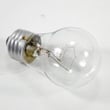
| Lights out in compartment | No interior light | Refrigerator light bulb 40A15 |
Why it matters
Ordering by model number + exact part ID helps ensure the part fits your GE refrigerator correctly and avoids repeat repairs. For filtration items, the manual also emphasizes using GE-branded filters for best performance and reliability.
Last updated: February 2026
What are the main 5 parts of a refrigerator?
The five main parts that make a refrigerator cool are the compressor, condenser coil, evaporator coil, metering device (capillary tube/expansion device), and the temperature control system (thermostat or electronic sensors). Together, these parts move heat out of your GE GSH22JSXASS so food stays cold.
The “core cooling system” (the 5 main parts)
- Compressor: pumps refrigerant through the sealed system and raises its pressure and temperature.
- Condenser coil: releases heat to the room as refrigerant cools and condenses.
- Metering device (capillary tube/expansion device): drops refrigerant pressure so it can absorb heat.
- Evaporator coil: absorbs heat from inside the refrigerator/freezer as refrigerant evaporates.
- Temperature control system: tells the system when to run; on many models this includes sensors and a control board.
Parts you’ll hear or notice during normal operation
Your GE side-by-side can make normal clicking, popping, gurgling, and fan “whirring” sounds as the compressor cycles, coils expand/contract after defrost, and fans change speeds to maintain temperatures. For sound examples and operating notes, use the owner's manual.
How these parts work together (quick map)
| Part | What it does | Common symptom if it fails |
|---|---|---|
| Compressor | Circulates refrigerant | Warm fridge/freezer, clicking on start |
| Condenser coil | Dumps heat to room air | Poor cooling, long run times |
| Metering device | Controls refrigerant flow | Weak cooling, frosting patterns |
| Evaporator coil | Pulls heat from compartments | Warm temps, heavy frost/ice issues |
| Temperature control system | Starts/stops cooling based on temp | Temps too warm/cold, erratic cycling |
Why it matters
When you know the “big five,” troubleshooting gets faster. For example, temperature problems often trace back to airflow and sensing, so a failed sensor can mimic a sealed-system issue.
Model-relevant example part
If your GE GSH22JSXASS is not holding temperature consistently, a common first check is the temperature sensing circuit; the refrigerator temperature sensor WR55X10025 is one of the model-matched parts used for that function.
Last updated: February 2026
Are GE side by side refrigerators good?
Yes. GE side-by-side refrigerators like model GSH22JSXASS are a solid choice for everyday use because they balance storage space, easy access to fresh and frozen foods, and practical features like adjustable shelving and an ice and water dispenser. Overall performance depends most on proper setup, clean airflow, and routine filter maintenance (see the GSH22JSXASS owner's manual).
What “good” looks like in real use
We typically see customers happiest with side-by-side refrigerators when these needs match their kitchen routine:
- You want full-height freezer storage with easy access to frozen items
- You prefer narrower door swing than many French door models
- You use the dispenser often for water and ice
- You like adjustable shelves and bins for flexible organization
- You are comfortable doing simple upkeep like replacing the water filter
Common pros and cons to expect
Side-by-side designs have consistent strengths and a few tradeoffs.
- Pros: strong organization, convenient dispenser access, steady temperatures when doors seal well
- Cons: freezer compartment can feel narrower for wide items (pizza boxes, large trays), and icemakers can be noticeable during harvest cycles
Quick comparison
| Feature | Side-by-side (like GSH22JSXASS) | What it means day to day |
|---|---|---|
| Fresh food access | Eye-level shelves | Less bending for daily items |
| Freezer layout | Tall, narrower shelves | Great for bags and boxes; wide items can be tight |
| Dispenser use | Very common on this style | Filter and valve health matter |
| Noise | Normal operating sounds occur | Fans and icemaker cycles can be heard |
Maintenance that keeps performance “good”
A few routine steps prevent most complaints about slow water flow, odd tastes, or weak ice production:
- Replace the water filter about every 6 months, or sooner if flow drops
- Flush several glasses of water after installing a new filter
- Keep the condenser area reasonably clean so the unit can shed heat
- Confirm doors close and seal fully to prevent frost and temperature swings
- If dispenser flow is weak even with a new filter, check the inlet valve and supply line
Helpful part examples for this model: the GE refrigerator water filter MWFP is the correct filter type listed for GSH22JSXASS, and a failing inlet valve can be addressed with the refrigerator water valve WR57X33326.
Why it matters
Most “bad refrigerator” experiences come from restricted airflow, worn door sealing, or neglected water filtration. Keeping filters current and airflow clear helps your GE side-by-side run colder, make ice more consistently, and taste better at the dispenser.
Last updated: February 2026
What is the most common problem with a GE refrigerator?
The most common GE refrigerator issue is a cooling problem (fresh food or freezer too warm). On the GE GSH22JSXASS, many “not cooling” complaints trace back to control settings, door sealing, airflow restrictions, or normal defrost operation before a failed part is involved; use the owner's manual troubleshooting charts to narrow it down.
Quick checks we recommend first
- Confirm the temperature controls are set cold enough (avoid “0/off”).
- Make sure the refrigerator is fully plugged in; check the breaker or fuse.
- Look for a package holding the door open; warm air quickly raises temps.
- Allow time after changes; after power loss or first plug-in, cooling can take up to 24 hours.
- If the unit is in a defrost cycle, wait about 30 minutes for it to end.
- Reduce frequent door openings, especially in hot weather.
What “common” looks like: symptoms and likely causes
| Symptom | Most common cause | What to do next |
|---|---|---|
| Fresh food section too warm | Controls not set cold enough; door left ajar | Adjust controls one step colder; verify door closes fully |
| Freezer too warm | Door openings; airflow blocked | Clear vents; avoid overpacking |
| Long run times | Normal for modern units; warm loads | Give it time; limit door openings |
| No water or ice | Clogged filter; supply issue | Replace the filter; check supply valve |
When a part is the likely culprit
If the settings and door checks look good and temperatures still drift, these model-relevant parts are common suspects:
- A failed sensor can misread temperatures; consider the refrigerator temperature sensor WR55X10025.
- A weak evaporator fan can reduce airflow through the cooling coils; listen for fan operation and inspect the fan area.
- Water and ice issues often improve after replacing the filter; use the correct GE refrigerator water filter MWFP.
Why it matters
Cooling problems can spoil food and also make the refrigerator run longer than normal. Catching simple causes (controls, door sealing, defrost timing) prevents unnecessary part replacement and helps you target the right repair when a component actually fails.
Last updated: February 2026