Installation guide
 Owner’s manual
 Error Codes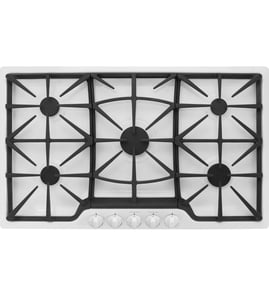


Is JennAir considered high end?
Yes. Jenn-Air is considered a high-end (luxury) kitchen appliance brand, and the Jenn-Air JGD3536WS01 36" gas built-in downdraft cooktop is positioned as a premium product with upscale design, materials, and performance features compared with mainstream cooktops.
What “high end” means in practical terms
High-end brands typically focus on a mix of design, cooking performance, and premium ownership details.
- Heavier-duty components and tighter fit and finish
- More specialized features (like integrated downdraft ventilation on this cooktop style)
- Higher replacement-part costs for items like valves, grates, and ignition components
- More emphasis on aesthetics and coordinated kitchen suites
How to judge it for your kitchen
We recommend evaluating “high end” based on what matters most to you: cooking results, serviceability, and long-term upkeep.
- Cooking performance: burner consistency, simmer control, and flame stability
- Vent performance: downdraft capture and airflow for your cooking style
- Maintenance: how easy it is to clean grates, caps, and filters
- Repairability: availability of common service parts
| What you compare | Mainstream cooktops | Jenn-Air class cooktops |
|---|---|---|
| Design/finish | Good | Premium, design-forward |
| Feature set | Basic to mid | More specialized options |
| Parts cost | Lower | Typically higher |
| Ownership expectations | Value-focused | Performance and aesthetics-focused |
Why it matters
If you are budgeting for ownership, “high end” usually means you get premium styling and features, but you should also plan for higher-cost parts and more precise maintenance. For example, ignition and gas-delivery components can be more expensive on premium models.
Parts you may replace over time
These are common wear or service items for gas downdraft cooktops like the JGD3536WS01:
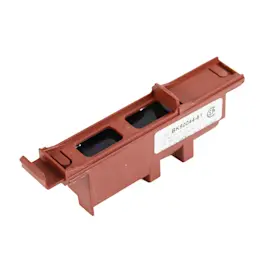
- Ignition components (example: spark module WPW10475150)
- Gas control components (burner valves)
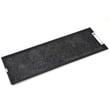
- Ventilation items (example: cooktop downdraft vent grease filter WPW10240990)
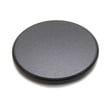
- Burner components (caps, heads, grates)
Where to confirm features and care requirements
For model-specific operation, cleaning, and ventilation guidance, use the JGD3536WS01 owner's manual. For cutout, gas hookup, and downdraft installation requirements, use the JGD3536WS01 installation guide.
Last updated: February 2026
Can you use a downdraft with a gas cooktop?
Yes. You can use a downdraft with a gas cooktop, and your Jenn-Air JGD3536WS01 is a built-in downdraft gas cooktop designed to vent smoke and cooking odors downward when the vent fan is running. For installation clearances and ducting requirements, follow the installation guide.
What to know before you choose or use downdraft ventilation
Downdraft ventilation works well when you want an open kitchen look or when a ceiling hood is not practical (such as an island). With gas burners, performance depends heavily on airflow and cookware size.
- Use the vent fan whenever you sear, fry, or cook with high heat.
- Keep the grease filter clean so airflow stays strong.
- Center pans over the burner to help the downdraft capture steam and smoke.
- Avoid oversized griddles or very tall stockpots when you need maximum capture.
- Make sure the duct path is as short and straight as possible (per your install requirements).
Quick performance comparison
| Venting type | Best at | Common limitation |
|---|---|---|
| Downdraft (like JGD3536WS01) | Open sightlines; island installs | Less capture for tall pots and fast-rising smoke |
| Overhead hood | High-heat capture; tall cookware | Needs overhead space and ducting above |
Parts that affect downdraft performance
A downdraft system only works as well as its airflow path. If the fan seems weak or odors linger, these parts are common maintenance or repair checkpoints:
- Cooktop downdraft vent grease filter WPW10240990: clogged filters restrict airflow.
- Cooktop blower motor WPW10247586: a failing motor can reduce suction or stop the fan.
- Check for crushed ducting, blocked exterior vent caps, or heavy grease buildup in the vent path.
Why it matters
Using the downdraft correctly helps keep heat, smoke, and grease from spreading through the kitchen. It also reduces residue buildup on cabinets and nearby surfaces, especially during high-heat cooking.
Last updated: February 2026
What are the cons of a downdraft range?
Downdraft ventilation (like the built-in downdraft on our Jenn-Air JGD3536WS01 36-inch gas built-in downdraft cooktop) trades a clean, open look for weaker capture of smoke, steam, and grease compared with an overhead hood, especially with tall pots and high-heat cooking.
Main drawbacks to know
- Less effective at capturing rising smoke and steam: heat naturally rises, so pulling it down is harder, particularly on front burners.
- Tall cookware reduces performance: stockpots and canners can block the airflow path into the vent.
- More grease and odor can linger: you may notice more cooking smell in the kitchen after searing or frying.
- Can affect gas flames: strong downdraft airflow can pull the flame sideways, which can slow heating or cause uneven cooking.
- Takes up space below the cooktop: the blower and ducting reduce cabinet storage and can complicate drawer layouts.
- Ducting can be complex: long runs, multiple elbows, or poor routing reduce airflow and increase noise.
What you can do to minimize the downsides
We see the best results when you treat a downdraft like a system: airflow, filters, and cooking habits all matter.
- Run the vent before you start cooking and leave it on a few minutes after.
- Use rear burners for high-smoke tasks when possible.
- Keep the grease filter clean; a clogged filter cuts airflow fast (see cooktop downdraft vent grease filter WPW10240990).
- Match pan size to the burner and keep flames under the pan bottom.
- Avoid creating cross drafts (open windows or strong HVAC returns near the cooktop).
Quick comparison: downdraft vs. overhead hood
| Feature | Downdraft vent | Overhead hood |
|---|---|---|
| Smoke/steam capture | Lower (especially with tall pots) | Higher (captures rising plume) |
| Kitchen sightlines | Open, minimal visual impact | Hood is visible |
| Cabinet impact | Uses base cabinet space | Uses upper cabinet/soffit space |
| Install complexity | Often higher (duct routing) | Often simpler (vertical ducting) |
Why it matters
If you do frequent high-heat cooking (searing, wok cooking, frying), ventilation performance affects comfort, cleanup, and how much grease ends up on nearby cabinets. For installation details that impact airflow and noise, follow the installation guide.
Last updated: February 2026
Why is my JennAir Gas Range oven not igniting?
Jenn-Air model JGD3536WS01 is a 36-inch gas built-in downdraft cooktop, not a range oven; if your “oven” is not igniting, first confirm you are troubleshooting the correct appliance. For this cooktop, ignition failures are usually caused by a wet or misaligned burner cap, clogged burner ports, a gas supply issue, or a failed spark system; follow the steps below and the lighting procedure in the JGD3536WS01 owner's manual.
Confirm what you are working on
- If you have a separate wall oven, use that oven’s model number for oven-ignition troubleshooting.
- If the problem is on the cooktop surface burners, continue below.
- Verify the cooktop has electrical power (spark ignition needs power).
Quick checks we recommend first
- Make sure the gas shutoff valve is fully open.
- Confirm the burner cap is seated flat and centered.
- Dry the burner head, cap, and electrode area completely after cleaning.
- Listen for rapid clicking when turning the knob to LITE.
- Try another burner to see whether the issue is isolated or affects all burners.
What the symptoms usually mean (cooktop burners)
| What you notice | Most likely cause | What to do next |
|---|---|---|
| No clicking on any burner | Failed spark module or no power to cooktop | Check power; if power is good, replace the spark module WPW10475150 |
| Clicking but no flame | Gas not reaching burner (clogged ports, cap misaligned, supply issue) | Clean ports, re-seat cap, confirm gas supply |
| One burner won’t light but others do | Dirty/blocked burner head or that burner’s components | Clean and inspect; consider the burner assembly 74007736 |
Cleaning and alignment steps
- Turn all knobs OFF; let the cooktop cool.
- Remove the grate and burner cap; clean ports with a soft brush.
- Wipe and fully dry the burner base and cap.
- Reinstall the cap so it sits level; a tilted cap often prevents ignition.
Why it matters
A burner that does not ignite can allow unburned gas to accumulate, causing strong odor, delayed ignition, and unsafe operation. Correct ignition also prevents soot and uneven flame.
If you need to order parts for JGD3536WS01, use the parts list for this model or search by model number on Sears PartsDirect.
Last updated: February 2026