

What is the average lifespan of a whirlpool microwave?
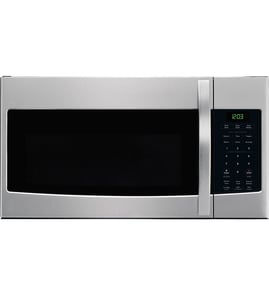
A Whirlpool microwave typically lasts 7 to 10 years with normal household use. For your Whirlpool MH1150XMS0 microwave/hood combo, lifespan depends most on ventilation, door-switch reliability, and avoiding overheating; heavy daily use can shorten service life.
What affects lifespan the most
- Heat and airflow: Keep the hood vent path clear so heat can escape.
- Door use: Slamming the door can wear interlock switches faster.
- Power quality: Frequent surges can stress the control board and relays.
- Cleaning habits: Grease buildup can trap heat and cause odors or arcing.
- Cooking choices: Running empty, overheating oils, or using metal can damage the cavity.
Common “end of life” symptoms (and what they usually point to)
| Symptom | What it often means | What to check first |
|---|---|---|
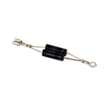
| Runs but does not heat | High-voltage circuit issue | Diode W11256462 and related high-voltage components |
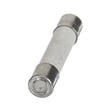
| Dead display or stops mid-cycle | Overheat or blown safety device | Thermal fuse W11707984 and airflow/grease buildup |
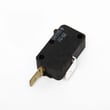
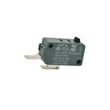
| Starts when door moves, or won’t start | Door interlock problem | Monitor switch W10269458 and door latch alignment |
| Loud buzzing/humming | High-voltage component strain | Stop using and inspect by a technician |
Practical ways to extend the life of your MH1150XMS0
- Run the hood fan when cooking on the range to reduce heat soak into the microwave.
- Keep the grease filters clean and the vent grille unobstructed.
- Close the door gently so the interlock system stays aligned.
- Use microwave-safe cookware only; avoid foil and metal trim.
- If heating becomes weak or uneven, stop using it until the cause is diagnosed.
Why it matters
A microwave/hood combo like the Whirlpool MH1150XMS0 lives in a hotter, greasier environment than a countertop unit. Managing heat and protecting the door interlock system are the two biggest factors in reaching (or beating) the 7 to 10 year average.
Last updated: February 2026
What are common problems with whirlpool microwaves?
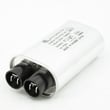
Common problems we see with Whirlpool microwaves like model MH1150XMS0 include not heating, not starting, sparking/arcing, loud humming or grinding noises, and keypad or display issues. Many are caused by door-interlock problems, power supply issues, or failed heating-circuit components such as the diode W11256462 or capacitor W10850446.
Most common symptoms and likely causes
- Microwave runs but does not heat: failed high-voltage diode, capacitor, or magnetron; sometimes a thermal cutout/fuse opens.
- Won’t start or stops when you close the door: door interlock switch or bracket issues (misalignment, worn switch).
- Blows a fuse or trips breaker: shorted high-voltage component, failing door switch, or wiring issue.
- Sparking inside the cavity: damaged waveguide cover, metal in the microwave, food splatter buildup.
- Turntable not rotating: failed motor or coupler issue.
Quick checks we recommend before replacing parts
- Confirm the outlet has power; reset the breaker and try a different small appliance in the same outlet.
- Make sure the door closes firmly and evenly; a loose latch can prevent operation.
- Check for control lock or a stuck key; unplug for 2 minutes to reset the control.
- If it sparks, stop using it and inspect for grease buildup, foil, twist ties, or chipped interior coating.
- If the turntable is not moving, verify the tray is seated correctly and not binding.
Parts that commonly fix these issues on MH1150XMS0
| Symptom | Common part involved | Example part for this model |
|---|---|---|
| No heat (runs but cold) | High-voltage components | Diode, capacitor |
| Won’t start / door-related | Door interlock switches | Monitor switch, primary switch |
| Dead / intermittent | Safety device | Thermal fuse |
| No turntable rotation | Drive motor | Turntable motor |
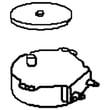
Helpful model-matched examples include the monitor switch W10269458, primary switch W10211972, and thermal fuse W11707984.
Why it matters
Microwave “no heat” and “blows fuse” complaints often involve high-voltage circuits. Correct diagnosis prevents repeat failures and helps you avoid replacing the wrong part.
For deeper troubleshooting steps, use our why is my microwave not heating guide.
Last updated: February 2026
Why is the vent not working on my Whirlpool microwave?
If the vent fan on your Whirlpool MH1150XMS0 microwave/hood combo isn’t moving air, the most common causes are a blocked vent path (grease buildup, stuck damper), a problem with the door/airflow interlock area, or a failed fan-related electrical component. Start with airflow checks before replacing parts.
Quick checks we recommend first
- Confirm the vent fan is actually turning on (listen for motor sound and feel for airflow at the top/front grille).
- Clean grease and dust from the vent openings and grille; heavy buildup can restrict airflow.
- Check the outside wall or roof cap (if ducted) for a stuck flap, bird screen blockage, or ice/debris.
- Verify the vent damper moves freely and is not jammed; a stuck damper can make the fan sound weak.
- If the fan runs but airflow is poor, inspect for crushed ducting or a disconnected duct behind the unit.
Parts that commonly affect vent operation
On MH1150XMS0, vent issues are often tied to the damper or airflow restrictions. If the fan won’t run at all, electrical safety devices and switches can also be involved.
| Symptom | Most likely cause | What to do next |
|---|---|---|
| Fan runs, weak/no airflow | Damper stuck, duct blocked, greasy grille | Clean and free up the damper; clear ducting |
| Fan doesn’t run, lights/display OK | Fan circuit issue, control issue, wiring | Check wiring connections; test components |
| Unit seems dead after overheating | Thermal protection opened | Test/replace thermal fuse |
Helpful model-matched parts
- Damper W10843943: If the damper door is broken, warped, or sticking.
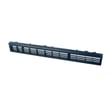
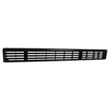
- Microwave vent grille 8183948: If the grille is damaged or packed with grease and won’t clean up.
- Thermal fuse W11707984: If the microwave overheated and the vent or unit stopped working afterward.
Safe troubleshooting steps (before any electrical testing)
- Turn off power at the breaker before removing the vent grille or checking ducting.
- Clean the grille and visible vent passages with a degreaser; dry completely.
- Manually move the damper to confirm it swings freely and returns closed.
- If you need to test electrical parts, use a meter and follow safe practices; high-voltage components inside a microwave can retain a dangerous charge.
Why it matters
A microwave/hood combo vent depends on a clear airflow path. Even a strong fan cannot move air through a stuck damper, clogged grille, or blocked duct, and restricted airflow can also increase heat buildup that trips thermal protection.
Related DIY help: why is my microwave not heating
Last updated: February 2026
When to change whirlpool microwave vent hood combo filter?
For the Whirlpool MH1150XMS0 microwave/hood combo, clean the metal grease filter regularly and replace the charcoal (odor) filter on a 6-month schedule when the microwave is set up for recirculating (non-ducted) venting. Replace sooner if odors linger or airflow drops.
What to change vs. what to clean
- Metal grease filter: wash, dry, and reinstall (replace only if bent, torn, or won’t clean up).
- Charcoal (odor) filter: replace on a 6-month schedule for recirculating setups.
- Heavy frying, high-heat cooking, or frequent use: service filters more often.
- If the fan sounds strained or cabinets get greasy fast: service filters right away.
- Turn off power at the breaker before removing filters.
Which schedule applies to your venting setup?
| Venting setup | Filter used | What to do | Typical interval |
|---|---|---|---|
| Recirculating (air returns to kitchen) | Charcoal (odor) filter | Replace | Every 6 months |
| Recirculating | Metal grease filter | Clean | Monthly |
| Ducted outside | Metal grease filter | Clean | Monthly |
| Ducted outside | Charcoal (odor) filter | Not used | None |
Getting the right replacement filter
Charcoal filters are model- and venting-configuration specific. If you do not see a charcoal filter listed for MH1150XMS0, use our model-based parts lookup to match the correct filter for your exact configuration and finish.
For safe use and better performance, follow the habits in never do these things with a microwave.
Why it matters
A clogged grease filter restricts airflow and can let grease build up in the vent area. A saturated charcoal filter stops absorbing odors, so the kitchen can smell stale even with the hood fan running.
Last updated: February 2026