Owner’s manual
 Error Codes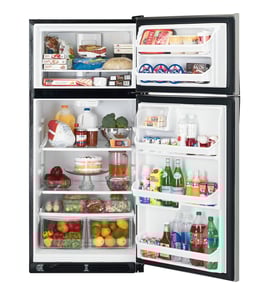


How big is the Kenmore refrigerator model 10676939400?
The Kenmore top-mount refrigerator model 10676939400 is a full-size top-freezer style unit; for the exact exterior dimensions and capacity for your specific configuration, we use the specifications listed in the 10676939400 owner's manual. For space planning, most Kenmore 106 top-mount units fit a 30 to 33 inch wide opening and stand about 66 to 70 inches tall.
What to measure (so it fits the space)
Measure your opening and the refrigerator in these spots:
- Width at the widest point (often the hinge side)
- Height from floor to top of cabinet (include hinge cover if present)
- Depth of the cabinet, plus depth with doors and handles
- Door swing clearance so bins and crispers can open fully
- Back clearance if you have an ice maker water line
Clearances our manual calls out for installation
The manual for this model gives these planning clearances:
- 1/2 inch (1.25 cm) space on each side and at the top for ventilation
- If installed next to a fixed wall, 2 inches (5.08 cm) minimum clearance on each side (some models need more) for door swing
- If equipped with an ice maker, allow extra space at the back for water line connections
Quick planning table
| Area to plan | Minimum clearance | Why it matters |
|---|---|---|
| Sides and top | 1/2 in | Airflow and cooling efficiency |
| Next to a fixed wall | 2 in | Door swing and drawer access |
| Back (with ice maker) | Extra room | Water line routing and kink prevention |
Why it matters
Correct sizing prevents restricted airflow (warmer temps and longer run times) and avoids door-swing problems that limit access to shelves, crispers, and ice maker components.
Last updated: January 2026
What is the average lifespan of a Kenmore refrigerator?
Most Kenmore refrigerators, including the Kenmore 10676939400 top-mount refrigerator, typically last 12 to 15 years with normal household use. Regular care (especially keeping airflow and door sealing in good shape) is what most often determines whether you land below or above that range.
What affects lifespan the most
- Condenser coil cleanliness: Dust buildup makes the compressor work harder and shortens life.
- Door gasket condition: Poor sealing causes longer run times and temperature swings.
- Temperature settings: Over-cold settings can increase run time and frost issues.
- Airflow and loading: Blocking vents reduces cooling efficiency.
- Power interruptions: Frequent outages or surges can stress electrical components.
Maintenance checklist we recommend
Use the care and cleaning guidance in the 10676939400 owner's manual as your baseline, then follow these practical habits:
- Vacuum condenser coils and the area around the condenser fan regularly.
- Clean door gaskets and the cabinet surface they touch; keep them free of sticky residue.
- Confirm doors close fully and the refrigerator is level (reduces gasket wear).
- Keep the freezer and fresh-food vents clear so the evaporator fan can move air.
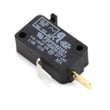
- Replace worn interior light switches if the light stays on (extra heat can raise run time).
Typical lifespan expectations (quick reference)
| Appliance type | Typical lifespan | What usually ends it first |
|---|---|---|
| Top-mount refrigerator | 12 to 15 years | Sealed system wear, compressor start issues, airflow problems |
| Older, simpler designs | 15+ years | Mechanical wear, gasket leaks, corrosion |
Why it matters
A refrigerator that runs longer to hold temperature uses more energy and puts extra strain on the sealed refrigeration system (compressor and tubing). Simple upkeep, like gasket cleaning and coil cleaning, is the most reliable way to extend service life.
Last updated: January 2026
What is the upper part of a fridge called?
In a Kenmore 10676939400 top-mount refrigerator, the upper compartment is the freezer compartment (often called the freezer section). It’s designed to keep foods frozen and it also supplies cold air that circulates to help cool the fresh-food section.
What the top (freezer) section does
The freezer section is more than storage; it’s part of the cooling system.
- Freezes and stores frozen foods
- Sends cold air through vents to the refrigerator section
- Houses freezer features such as the freezer shelf and pull-out freezer floor (on some models)
- Often supports ice making (manual trays or an automatic ice maker)
Airflow note (why the name matters)
In this style of refrigerator, cool air typically enters at the bottom of the freezer, moves upward, then recirculates through freezer vents; some of that air feeds the refrigerator section through a top vent. Keeping vents clear helps both sections hold steady temperatures.
Quick terminology guide
| What you see | Common name | What it’s for |
|---|---|---|
| Upper compartment | Freezer compartment | Freezing and supplying cold air |
| Lower compartment | Refrigerator (fresh-food) compartment | Chilling, not freezing |
| Openings/grilles | Air vents | Air circulation between sections |
Related parts and resources
If your freezer is not staying cold or you’re seeing ice buildup, start with airflow and basic checks, then move to parts diagnosis.
- Make sure food packages are not blocking freezer or refrigerator vents
- Confirm doors close fully and gaskets seal evenly
- Set controls to the recommended starting point in the 10676939400 owner's manual
- If ice production is the issue, check the ice maker shutoff arm and water supply
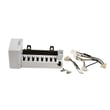
- For automatic ice maker concerns, the ice maker assembly - refrigerator ice maker by whirlpool 4317943 is a common replacement part for this model
Why it matters
When the freezer section has restricted airflow or temperature swings, the refrigerator section usually warms up too because both compartments share circulating air. Fixing freezer-side issues often restores cooling performance throughout the appliance.
Last updated: January 2026