Owner’s manual



What is the capacity of the wm3360hvca?
The LG WM3360HVCA washer has a 3.9 cu. ft. capacity. For load sizing and cycle recommendations specific to WM3360HVCA, we recommend following the guidance in the WM3360HVCA washer manual.
What 3.9 cu. ft. means for everyday loads
A 3.9 cu. ft. front-load washer is designed to handle typical household laundry, including larger mixed loads, while still cleaning efficiently.
- Works well for everyday mixed loads (towels, jeans, shirts)
- Helps reduce the number of loads compared to smaller-capacity washers
- Supports bulky items, but avoid overpacking so the drum can tumble properly
- Best results come from leaving some open space at the top of the drum
Quick load guidance (general)
Use this as a practical starting point; always prioritize the fabric care labels and the cycle options listed for your LG WM3360HVCA.
| Load type | Recommended fill level | Notes |
|---|---|---|
| Everyday mixed load | About 1/2 to 3/4 full | Allows proper tumbling and rinsing |
| Towels | About 2/3 full | Overfilling can reduce absorbency and rinsing |
| Bulky items (comforter) | Varies by item | Use a bulky/bedding cycle if available |
Why it matters
Capacity affects cleaning and reliability. Overloading can lead to poor wash performance, excess vibration during spin, and extra strain on components like the drain system and suspension.
Last updated: January 2026
What is the most common problem with the LG washing machine?
For the LG WM3360HVCA washer, the most common service issue we see is a drain problem that leads to “won’t drain” or “won’t spin” symptoms. In many cases, the root cause is a restriction in the drain path (coin trap/filter area, hoses) or a failing drain pump.
Quick checks that solve many drain and spin complaints
- Run a Drain/Spin cycle and listen for the drain pump running.
- Check the standpipe or sink drain for slow draining (a household drain clog can mimic a washer failure).
- Inspect the drain hose for kinks, crushing, or an extension that restricts flow.
- Clean out debris from the pump filter area (coins, lint, socks).
- If the tub is full of water, remove water safely before opening any hoses.
For model-specific access steps and panel removal guidance, use the WM3360HVCA manual.
Parts that commonly relate to “not draining” on WM3360HVCA
If cleaning the filter and checking the hose does not restore draining, these model-compatible parts are often involved:
| Symptom | What it often points to | Model-compatible part example |
|---|---|---|
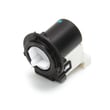
| Hums but won’t drain | Pump impeller jammed or motor weak | Drain pump motor (4681EA2001T) - washer part by LG electronics 4681EA2001T |
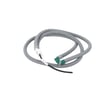
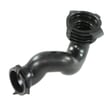
| Drains slowly or intermittently | Restriction or collapsing hose | Washer Drain Hose 5215ER2002G |
| Leaks during drain | Loose clamp or cracked hose connection | Washer Drain Pump Hose Connector 4932ER4007B |
Why it matters
A washer that cannot drain usually will not reach high-speed spin. Fixing the drain restriction early helps prevent odor, standing water, and repeated cycle interruptions.
Last updated: January 2026
How many years does a LG washing machine last?
An LG washing machine typically lasts 10 to 15 years. For your LG WM3360HVCA washer, that same 10 to 15-year lifespan is the normal expectation; how close you get to the high end mostly depends on cleaning, load habits, and fixing small issues before they become major repairs.
What affects lifespan the most
- Overloading (stresses the tub, bearings, and suspension)
- Too much detergent (causes residue, odors, and drain issues)
- Poor ventilation (promotes mildew in front-load door boot areas)
- Hard water buildup (can affect valves, heater performance, and wash quality)
- Ignoring early symptoms (small leaks, slow draining, vibration)
For model-specific care and cleaning steps, follow the maintenance guidance in the WM3360HVCA washer manual.
Simple maintenance that adds years
- Run a monthly tub-clean routine (or a hot cycle with an approved cleaner)
- Leave the door and dispenser slightly open between loads to dry out
- Wipe the door boot and glass regularly, especially after heavy soil loads
- Check and clean the inlet screens if fill is slow
- Clean the drain pump filter area if you notice slow draining or debris
When a repair is worth it (quick decision guide)
If the washer is otherwise in good shape, replacing a common wear part can be a smart way to extend life.
| Situation | Common next step | Typical outcome |
|---|---|---|
| Won’t drain or drains slowly | Inspect pump, hoses, filter | Often repairable |
| Door won’t lock or unlock | Check door lock and strike | Often repairable |
| Loud rumbling during spin | Bearing/tub wear inspection | Can be costly |
If your WM3360HVCA is not draining, the drain system is a frequent culprit; the compatible replacement part we list for this model is the drain pump motor (4681EA2001T) - washer part by LG electronics 4681EA2001T.
Why it matters
A washer that is maintained and repaired early usually avoids secondary damage (like water leaks, motor strain, or tub wear). That is the difference between replacing one part and replacing the whole machine.
Last updated: January 2026