Owner’s manual

What is the best electric dryer to buy?
For most homes, the “best” electric dryer is the one that matches your space, venting setup, and electrical supply, then delivers reliable drying with simple controls. If you already own a GE DSXH43EF0WW, keeping it running with the right maintenance and repairs is often the best value.
What to look for in a new electric dryer
- Correct power: Most full-size electric dryers use a 208V or 240V dedicated circuit with 30-amp protection.
- Venting compatibility: Match your vent type and length; shorter, straighter vents dry faster.
- Capacity: Most households do well with 7.0 to 7.5 cu. ft.; larger families often prefer 7.5+ cu. ft.
- Moisture sensing: Helps prevent overdrying and can reduce energy use.
- Serviceability: Easy access to wear parts like drum supports, belt, and thermostats.
Electrical and installation must-haves (especially for electric dryers)
Your GE DSXH43EF0WW documentation calls out key safety and performance requirements:
- Use a properly grounded connection.
- Do not use an extension cord.
- Plan the location so the dryer can reach the outlet with the correct power cord and strain relief.
Use the DSXH43EF0WW owner’s manual to confirm the exact electrical requirements and grounding guidance for your setup.
When repairing your current dryer is the better “buy”
If your DSXH43EF0WW is otherwise in good shape, these common repairs often restore performance:
| Symptom | Common cause | Example part for DSXH43EF0WW |
|---|---|---|
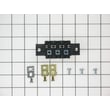
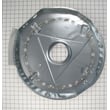
| Squealing or rumbling | Worn drum support/bearing | Dryer rear bearing kit WE25X10001 |
| Overheating or no heat (safety trip) | Failed thermal limiter | Dryer thermal limiter WE04X10094 |
| Thumping or scraping at the front | Worn drum glide | Dryer drum front glide WE03X10007 |
| Drum not turning | Worn/broken belt | Dryer drum belt WE12X10009 |
Why it matters
Choosing the right dryer (or the right repair) prevents long dry times, nuisance shutdowns, and overheating risks. Matching the electrical supply and keeping airflow strong are the two biggest factors in safe, efficient drying.
For efficiency tips that apply to any electric dryer, follow how to use your clothes dryer efficiently.
Last updated: January 2026
What is the lifespan of an electric dryer?
Most electric dryers last about 13 years with normal household use. For your GE DSXH43EF0WW electric dryer, consistent airflow (clean lint screen and venting) and stable electrical supply help you reach that typical lifespan; see the DSXH43EF0WW owner's manual for model-specific care and safety details.
What affects dryer lifespan the most
- Airflow and venting: restricted venting makes the dryer run hotter and longer.
- Heat protection trips: repeated overheating can shorten component life.
- Drum support wear: bearings and glides wear over time and can cause noise and drag.
- Electrical supply quality: correct voltage and proper grounding reduce stress on the motor and heater.
- Load habits: frequent overloading strains the belt, motor, and drum supports.
Typical lifespan by what you do (practical guide)
| Usage and maintenance | What we typically see | What to do next |
|---|---|---|
| Light use, vent kept clear | Often reaches 13+ years | Clean venting regularly; avoid overloading |
| Average use, basic cleaning | Around 13 years | Inspect drum supports and belt if noise starts |
| Heavy use or poor airflow | Shorter lifespan | Fix vent restriction and overheating symptoms fast |
Parts that commonly wear as a dryer ages
If your DSXH43EF0WW starts squealing, thumping, or taking longer to dry, these are common wear items to check:
- Dryer rear bearing kit WE25X10001 (supports the drum at the rear)
- Dryer drum front glide WE03X10007 (reduces friction at the front of the drum)
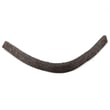
- Dryer drum belt WE12X10009 (drives the drum)
- Dryer thermal limiter WE04X10094 (can open if the dryer overheats)
Why it matters
A dryer that is nearing end-of-life often shows up as long dry times, overheating, or new noises. Addressing airflow and early wear symptoms helps protect major components (motor, heater, wiring) and keeps drying performance consistent.
Last updated: January 2026
What is the most common problem with a GE dryer?
On a GE electric dryer like model DSXH43EF0WW, the most common complaint we see is “runs but won’t dry” (no heat or weak heat). In many cases, the root cause is restricted airflow from lint buildup or a blocked vent, which makes drying take much longer.
Quick checks we recommend first
- Clean the lint screen before every load.
- Inspect the vent hose behind the dryer for kinks, crushing, or loose connections.
- Confirm the outside vent hood opens freely while the dryer is running.
- Try a timed dry cycle to compare results against automatic cycles.
- Sort loads by fabric weight; heavy items (towels) need more time than lightweight items.
Most common causes and what they look like
| Symptom | Likely cause | What to do next |
|---|---|---|
| Clothes take too long to dry | Lint screen full or vent/duct restricted | Clean lint screen; clear and straighten ducting; verify outdoor damper movement |
| Dryer runs but heat is weak or stops | Overheating protection opening due to poor airflow | Fix venting first; then test heat circuit components |
| Dryer runs but won’t heat at all | Heating circuit issue (power supply, thermostat, limiter, element) | Verify 240V supply; then troubleshoot thermostats/limiters and heater |
Parts that commonly come up on “no heat” calls
If airflow is good and the dryer still will not heat, these model DSXH43EF0WW parts are common suspects in the heating safety circuit:
- Dryer thermal limiter WE04X10094 (opens if the dryer overheats)
- Thermostat WE4X757 (regulates drum temperature)
Why it matters
A clogged exhaust duct can cause long dry times, higher energy use, and overheating that can trip safety devices. The manual specifically calls out that drying time varies with load size, fabric type, and the condition of the exhaust ducts, so venting checks are the fastest win.
For model-specific operating tips and troubleshooting guidance, use the DSXH43EF0WW owner's manual.
Last updated: January 2026