


How many hours a day should you run a dehumidifier?
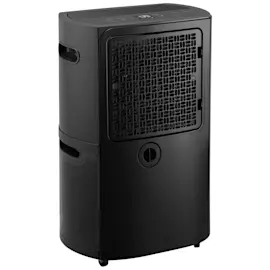
For a GE dehumidifier like model ADHB50LZQ1, we typically recommend running it 6 to 12 hours per day for everyday humidity control; in very damp spaces or after water intrusion, it often needs to run nearly continuously for 24 to 48 hours, then cycle on and off to hold your humidity setpoint.
- Normal comfort and maintenance: 6 to 12 hours/day
- Basement or persistently damp room: 10 to 20 hours/day
- After a leak or flooding cleanup: 24 to 48 hours initially, then reassess
- Seasonal use (humid summer weeks): run daily, let it cycle automatically
Most homes do well when you set the humidity between 30% and 50% RH.
| Goal | Suggested setpoint | What you should see |
|---|---|---|
| Reduce musty odor | 45% to 50% | Longer cycles at first, then steadier cycling |
| Prevent condensation | 40% to 45% | Less window sweating, fewer damp spots |
| Very damp basement | 35% to 45% | Longer runtimes; bucket fills faster |
- Room size and air circulation (closed doors and poor airflow increase runtime)
- Outdoor humidity and season (humid weather increases runtime)
- Temperature (cool basements can reduce moisture removal and cause coil frost)
- Drain method (bucket vs. hose drain)
- Maintenance (a clogged filter reduces airflow and performance)
If your unit seems to run constantly but the humidity stays high, start with cleaning and airflow checks, then inspect and replace the dehumidifier air filter WK85X21722 if it is dirty or damaged.
Running long enough to reach and maintain your target humidity helps prevent musty odors and moisture damage, while avoiding unnecessary runtime can reduce wear on the compressor and fan.
For deeper troubleshooting, use our DIY resources like dehumidifier doesn't remove moisture and how to clean a dehumidifier.
Last updated: January 2026
What is the life expectancy of a GE dehumidifier?
Most GE residential dehumidifiers (including model ADHB50LZQ1) typically last 3 to 10 years. In normal home use, we usually see about 5 to 9 years when the unit is kept clean, drains properly, and runs in suitable room temperatures.
| Use pattern | What to expect | Notes |
|---|---|---|
| Seasonal, moderate humidity | 7 to 10 years | Best-case with regular cleaning |
| Regular home use | 5 to 9 years | Most common range |
| Heavy, continuous damp-basement use | 3 to 5 years | More wear on compressor and fan |
- Keep the intake filter clean; restricted airflow makes the compressor work harder.
- Empty the bucket often or use a steady drain setup to prevent overflow shutoffs.
- Run it in a warm-enough space; cold rooms increase frost risk and stress the system.
- Give it clearance around the air intake and exhaust so it can breathe.
- Clean dust and lint buildup regularly; it improves airflow and efficiency.
- Wash or replace the air filter on schedule (a clogged filter is one of the fastest ways to reduce performance); use the dehumidifier air filter WK85X21722.
- Clean the bucket and any drain path to reduce odors and prevent leaks.
- If you see water on the floor, address it early using guidance like how to stop dehumidifier leaks.
A dehumidifier that is nearing end-of-life often shows up as reduced moisture removal, longer run times, more noise, or frequent shutoffs. Staying ahead on airflow and drainage helps the ADHB50LZQ1 run cooler and last longer.
Last updated: January 2026
How do I find the model number on my ADHB50LZQ1?
The model number is printed on the dehumidifier’s rating label. On GE dehumidifiers like model ADHB50LZQ1, that label is usually on the back of the cabinet or along a side panel near the power cord area; match the full model number exactly when ordering parts.
Check these common label locations first:
- Back panel of the cabinet (often near the bottom)
- Side panel near the power cord entry
- Behind the water bucket area (look around the bucket opening)
- Near the air intake grille or filter cover
- On the underside of the cabinet (tip carefully and look for a sticker)
Record the details exactly as shown on the label; they help us match the correct GE parts and diagrams.
| Label item | Example | Why it matters |
|---|---|---|
| Model number | ADHB50LZQ1 | Identifies the exact dehumidifier version |
| Serial number | (varies) | Helps confirm production run and revisions |
| Electrical rating | (volts/amps) | Useful when diagnosing power or control issues |
- Use the full model number, including all letters and numbers (ADHB50LZQ1).
- If the label is worn, take a clear photo and zoom in.
- When you have the model number, use it to select parts like the dehumidifier air filter WK85X21722 or dehumidifier water bucket WK10X24555 that fit your unit.
GE sometimes updates components (controls, sensors, buckets, filters) across similar-looking dehumidifiers. Using the exact ADHB50LZQ1 model number prevents ordering the wrong replacement part.
Last updated: March 2026