 Error Codes


What is the most common problem with a GE electric dryer?
For the GE GTDP280ED6WW electric dryer, the most common problems are no heat/long dry times (airflow restriction or a failed heating circuit part) and the drum not tumbling (a worn belt or drum support parts). Both issues often start with lint buildup and normal wear.
- Runs but no heat: failed heating element, high-limit thermostat, or safety thermostat
- Takes too long to dry: clogged lint screen, restricted venting, or weak airflow
- Drum will not spin: broken belt, seized idler pulley, or worn drum glide
- Stops mid-cycle: overheating from poor airflow, thermostat opening, or motor strain
- Won’t start: door switch not closing, push-to-start switch failure, or timer/switch issue
- Clean the lint screen and confirm strong airflow at the outside vent hood.
- Inspect the vent path for kinks, crushed flex duct, or heavy lint.
- Try a timed dry cycle to rule out moisture-sensing cycle behavior.
- Listen for motor hum with no drum movement (often belt or idler related).
| Symptom | Likely part area | Example part for this model |
|---|---|---|
| No heat | Heating circuit | Dryer heating element WE11M10001 |
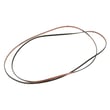
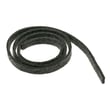
| Drum not turning | Drive system | Dryer drum belt WE03X29897 |
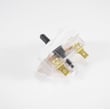
| Won’t start | Start/door circuit | Dryer door switch WE4M415 |
| Overheats or shuts off | Temperature control | Dryer high-limit thermostat WE4M137 |
Airflow problems make an electric dryer run hotter and longer, which can trip safety thermostats and shorten the life of the heating element, motor, and drum support parts. Keeping the venting clear prevents repeat failures.
For code-based troubleshooting on GE dryers, use GE cleanspeak dryer error codes.
Last updated: February 2026
What's the life expectancy of a GE dryer?
A GE electric dryer like model GTDP280ED6WW typically lasts about 10 years with normal household use. Consistent airflow (clean lint screen and venting), avoiding overloads, and replacing wear items early are the biggest factors that keep drying performance strong over time.
Most dryers still run past the “average” mark, but you usually notice longer dry times, more noise, or intermittent starting as parts wear.
- 0 to 5 years: Mostly maintenance (lint, venting, leveling)
- 5 to 10 years: Common wear parts begin to show up (belt, glides, idler)
- 10+ years: Heat and drive components are more likely (heating element, motor, thermostats)
These are common “keep it running” items when symptoms appear:
- Squealing or thumping: dryer drum glide bearing, upper WE03X37320
- Drum not turning: dryer drum belt WE03X29897 and dryer idler pulley WE03X31620
- No heat or weak heat: dryer heating element WE11M10001 and dryer high-limit thermostat WE4M137
- Won’t start: dryer push-to-start switch WE4M416 or dryer door switch WE4M415
- Clean the lint screen every load.
- Check the outside vent hood for strong airflow.
- Keep the vent run short, smooth, and free of lint buildup.
- Do not overload; heavy loads strain the belt, idler, and motor.
- If dry times increase, address venting first before replacing heat parts.
| What you notice | Most common cause | What to check first |
|---|---|---|
| Takes too long to dry | Restricted airflow | Lint screen, vent duct, outside hood |
| Loud squeal/grind | Drum support wear | Glides, felt seal, idler pulley |
| Runs but no heat | Heat circuit issue | Heating element, thermostats |
| Won’t start | Safety/start circuit | Door switch, push-to-start switch |
A dryer that is venting poorly runs hotter and longer; that shortens the life of heating components and thermostats, and it can also wear the motor and drum support parts faster.
Last updated: February 2026
Where to find part number on GE dryer?
On a GE electric dryer like model GTDP280ED6WW, we typically find the model and serial tag (which you will use to match the correct replacement parts) on the door opening area. Check the inside of the dryer door and the door frame first.
- Inside the door opening on the front panel (door frame)
- On the inside face of the dryer door
- Along the front rim of the cabinet opening near the latch area
- Less commonly, on the back panel of the dryer
Most GE dryers list several identifiers; here is how we use them when selecting parts.
| Label item | What it’s used for | Example (what it looks like) |
|---|---|---|
| Model number | Matches the correct parts list for your dryer | GTDP280ED6WW |
| Serial number | Helps identify production run details | Letters and numbers |
| Part number | Identifies a specific replacement part | WE11M10001 |
- Write down the full model number exactly as shown (letters and numbers)
- Take a clear photo of the tag before you start shopping
- Use the model number first, then confirm the part number on the part listing
- If you are replacing a common wear item, match it by name and ID, for example the dryer drum belt WE03X29897
GE often uses similar-looking parts across multiple dryer series. Using the GTDP280ED6WW model number from the tag is the fastest way to ensure items like a heating element, door switch, timer, or drum belt fit and wire up correctly.
Last updated: February 2026





