 Installation guide
 Owner’s manual
 Error Codes



How old is my GE Nautilus dishwasher?
To find how old your GE dishwasher is, we use the serial number date code, not the model name “Nautilus.” On your GE GDWT160R05SS, the serial tag is typically on the tub rim or inside the door area; match the first two serial characters to GE’s month and year code chart in the GDWT160R05SS owner’s manual.
How to decode the GE serial number (what to look for)
Use the serial number, then decode it in this order:
- 1st character: manufacturing month code
- 2nd character: manufacturing year code
- Remaining characters: production sequence (not needed for age)
If your serial starts with two letters (example format: AB123456C), those first two letters are the key.
Where to find the serial number on GDWT160R05SS
Common locations on GE dishwashers like GDWT160R05SS:
- On the inner door edge (left or right side)
- On the tub frame around the door opening
- On a rating plate visible when the door is open
- Sometimes on the side of the door near the hinges
Quick age estimate once you have the build date
Once you decode the month and year, you can estimate age by comparing it to today.
| What you have | What it tells you | What to do next |
|---|---|---|
| Month code + year code | Exact build month/year | Compare to your purchase date |
| Purchase receipt date | In-service age | Use for warranty and maintenance |
| Only model number | Not a date | Use the serial tag instead |
Why it matters
Knowing the manufacture date helps us choose the right GE dishwasher parts (like a door seal, tub gasket, or pump and motor assembly) and it also helps when troubleshooting issues such as leaks, poor cleaning, or draining problems.
Last updated: February 2026
How to check GE dishwasher model number?
On your GE dishwasher model GDWT160R05SS, the model number is printed on the rating label located on the left-hand tub wall, just inside the door. Open the door fully and look along the inner left side for the label that also lists the serial number.
Where to look (quick checklist)
- Open the dishwasher door and keep it fully open
- Look just inside the door opening
- Check the left-hand tub wall (inside edge of the tub)
- Find the rating label with model and serial information
- Write the model number exactly as shown (letters and numbers)
What the model number helps you do
Having the correct model number lets us match the right GE parts and instructions for your exact dishwasher, including items like the dishwasher door seal WD08X10055 and the dishwasher filter WD22X10077.
Model number tips for GDWT160R05SS
If you are using the model number to confirm features or care instructions, the last letters can matter. For example, GE uses the ending letters to identify door panel type (painted vs. stainless vs. CleanSteel). Use the full model number from the label when checking details in the GDWT160R05SS owner's manual.
Common label-reading mistakes
| What you see | What to do |
|---|---|
| Characters look similar (O vs 0, I vs 1) | Copy directly from the label, one character at a time |
| Extra letters at the end | Include them; they can affect finish and parts match |
| Sticker is dirty or faded | Wipe gently with a damp cloth, then dry and re-check |
Why it matters
A single wrong character can lead to ordering the wrong replacement part or following the wrong installation or troubleshooting steps. Using the rating label ensures you are working with the exact GE dishwasher configuration.
Last updated: February 2026
Can a clogged drain cause an FTD error?
Yes. On the GE GDWT160R05SS dishwasher, an FTD (fail to drain) error commonly happens when water cannot pump out because the drain path is restricted, such as a clogged filter, blocked air gap, kinked drain hose, or a disposer connection that is plugged.
What to check first (fast, no-parts steps)
- Turn the dishwasher off, then cancel or drain the cycle if your control has that option.
- Check and clean the air gap (if installed); the manual notes to clean it anytime the dishwasher is not draining well.
- If the dishwasher drains into a garbage disposer, run the disposer to clear it.
- Confirm the kitchen sink drains normally; a slow sink often points to a plumbing restriction.
- Inspect the drain hose for kinks, crushing, or a sag that traps water.
Drain hose routing rules that prevent FTD
Improper hose height or routing can cause poor draining even when the pump is fine. The installation instructions call out these key limits:
| Drain setup item | What to do | Why it matters |
|---|---|---|
| Max drain hose elevation | Keep it at or below 48 inches | Too high can prevent the pump from pushing water out |
| High drain loop height | Secure a loop at least 32 inches high (especially on elevated installs) | Helps prevent backflow and improves drain performance |
| Air gap requirement | Use an air gap if the waste tee or disposer inlet is under 18 inches above the floor | Prevents dirty water from backing up into the tub |
For the exact routing method for your kitchen setup, follow the GDWT160R05SS installation guide.
When a part is likely involved
If the hose routing is correct and the air gap and disposer connection are clear, the restriction is usually inside the dishwasher.
Common culprits include:
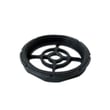
- Clogged or damaged filter (check the dishwasher filter WD22X10077 if your model uses that filter style)
- Debris in the drain pump area (glass, labels, food)
- Drain hose connection leaking or loose at the pump outlet
Why it matters
A restricted drain can leave dirty water in the tub, trigger repeated FTD errors, and reduce cleaning performance. Correct drain hose height and a clear air gap are the two most common fixes we see after basic filter cleaning.
Last updated: February 2026
What is the most common problem with a GE dishwasher?
The most common GE dishwasher problems are drainage trouble (water left in the tub), leaks around the door, and “won’t start” symptoms caused by a door-latch or control interruption. On the GE GDWT160R05SS, we start with filter/drain checks, door-latch closure, and a simple reset per the GDWT160R05SS owner’s manual.
Most common issues (and what they look like)
- Not draining: standing water, gurgling, sink backing up
- Not cleaning well: gritty dishes, food debris, weak spray
- Leaking: water at the front corners or along the bottom of the door
- Won’t run or stops mid-cycle: flashing lights, cycle interruption after START/RESET
- Spotting/film: cloudy glasses, white residue (often water hardness or low temp)
Quick checks we recommend first
- Reset the cycle: If START/RESET is flashing, the cycle was interrupted or power was lost; many GE models drain and then can restart after the interruption clears (details in the manual).
- Check the drain setup: Confirm you have an air gap or a high drain loop; an incorrect drain path can cause poor draining.
- Clean the filter area: A clogged filter is a top cause of slow or no drain.
- Inspect door sealing surfaces: Wipe the gasket and door edge clean; debris can create leaks.
- Confirm water temperature: For best results, incoming water should be about 120°F.
Common parts tied to these symptoms
| Symptom | Likely area | Example model-matched part |
|---|---|---|
| Water left in tub | Filter or drain path restriction | Dishwasher filter WD22X10077 |
| Leaks at door | Door seal or tub gasket | Dishwasher door seal WD08X10055 |
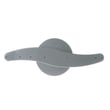
| Poor wash coverage | Spray arm obstruction or wear | Dishwasher spray arm WD22X10047 |
Why it matters
Drain and leak problems can lead to odors, poor cleaning, and water damage. Catching a clogged filter, a worn door seal, or a spray issue early usually prevents bigger repairs like pump and motor replacement.
Last updated: February 2026
Can you buy replacement parts for a dishwasher?
Yes. For your GE GDWT160R05SS dishwasher, we sell common replacement parts such as door seals, tub gaskets, filters, spray arms, racks, and detergent dispensers so you can fix leaks, draining problems, poor cleaning, and door-latch issues without replacing the whole dishwasher.
What parts are commonly replaced on the GDWT160R05SS?
These are some of the most frequently needed dishwasher repair parts for this model:
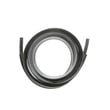
- Door leak parts: dishwasher door seal WD08X10055, dishwasher tub gasket WD08X10032
- Poor cleaning parts: dishwasher spray arm WD22X10047, dishwasher filter WD22X10077
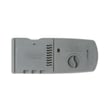
- Soap cup issues: dishwasher detergent dispenser assembly WD12X10163
- Drain and water path parts: drain tube WD24X10045, funnel WD49X25081
- Door won’t close or start: dishwasher door latch assembly WD13X10031
How to choose the right replacement part
We match parts to the exact model configuration, so start with the model number and the symptom.
- Confirm the model number is GDWT160R05SS (usually on the tub frame when the door is open)
- Identify the symptom (leak, not draining, not cleaning, not starting)
- Compare the part name and part ID to what you need
- Review installation notes and safety steps in the GDWT160R05SS owner’s manual
- If you are installing the dishwasher (or reinstalling after a repair), follow the GDWT160R05SS installation guide
Quick symptom-to-part guide
| Symptom | Most likely area | Example part for this model |
|---|---|---|
| Water leaking at the door | Door seal | WD08X10055 |
| Water leaking from tub edge | Tub gasket | WD08X10032 |
| Dishes not getting clean | Spray system, filtration | WD22X10047 or WD22X10077 |
| Detergent cup not working | Dispenser | WD12X10163 |
| Won’t start when door closes | Latch | WD13X10031 |
Why it matters
Replacing the correct dishwasher spare part restores proper sealing, water circulation, and safe operation. The manual also emphasizes disconnecting power before maintenance and leaving installation instructions with the consumer for future reference.
Last updated: February 2026
Is GE profile considered high end?
Yes. GE Profile is generally considered GE’s step-up (higher-end) line compared to standard GE appliances, with more premium features and finishes; it is not GE’s top luxury tier. For your GE GDWT160R05SS dishwasher, the exact feature set and options are best confirmed in the GDWT160R05SS owner’s manual.
How GE Profile typically compares
In most GE lineups, you can think of the tiers like this:
- GE: core models with essential cycles and features
- GE Profile: upgraded performance, more cycle options, and more premium styling
- GE Café / Monogram: premium to luxury lines (more design-forward and higher price points)
What “high end” usually means in dishwashers
“High end” can mean different things depending on what you value. Here are the most common markers:
- Quieter operation (lower dBA ratings)
- More wash cycles and targeted options (sanitize, bottle jets, etc.)
- Better drying systems and rinse-aid support
- More durable racks and improved adjustability
- More advanced controls (sometimes with diagnostics)
Quick checklist for your GDWT160R05SS
Use this to decide whether your specific dishwasher is “high end” for your kitchen:
- Look up the cycle and option list in the manual
- Check whether your model has a stainless tub and what drying method it uses
- Confirm whether it supports rinse agent use for improved drying
- Review any diagnostic indicators or error codes
| If you care most about... | GE Profile usually delivers | Where to confirm on GDWT160R05SS |
|---|---|---|
| Quietness | Often improved | Specs section in the manual |
| Cleaning performance | More options and targeted cycles | Cycle chart in the manual |
| Drying | Better systems plus rinse-aid support | Rinse agent section |
| Serviceability | Similar across lines | Parts diagrams and troubleshooting |
Why it matters
Knowing the tier helps set expectations for noise, cycle length, drying performance, and which replacement parts (like a door seal or detergent dispenser) are worth investing in over the life of the dishwasher.
Last updated: February 2026
How to remove the filter and spinner on GE dishwasher?
On the GE GDWT160R05SS dishwasher, we remove the lower spray arm (spinner) first, then lift out the filter screen(s) from the sump area so you can rinse away debris and restore normal wash and drain performance. Use the steps in the GDWT160R05SS owner’s manual for your exact filter style.
Steps to remove the filter and spray arm (spinner)
- Turn off power at the breaker; let the unit cool if it just ran.
- Pull out the lower rack for full access to the sump area.
- Remove the lower spray arm (spinner): most GE designs either lift straight off or unlock with a center retainer (turn counterclockwise to release).
- Lift out the coarse filter screen and any fine filter pieces underneath (note their orientation for reassembly).
- Rinse filters under hot water; use a soft brush to clear mesh and ports.
- Reinstall in reverse order; make sure the spray arm spins freely by hand.
Quick checks while you’re in there
- Spray arm holes: clear any seeds, labels, or glass bits.
- Sump area: remove food scraps that can recirculate.
- Door sealing surfaces: wipe the tub lip and door edge to help prevent leaks.
| What you’re removing | What it does | What happens if it’s clogged/loose |
|---|---|---|
| Filter screen(s) | Traps food soil before it recirculates | Poor cleaning, odors, possible drain issues |
| Lower spray arm (spinner) | Distributes wash water to the lower rack | Poor wash coverage, noise, items left dirty |
When a part is likely needed
If the filter is cracked/warped or the spray arm is split or won’t stay seated, replacement is the reliable fix.
- For a damaged spray arm, use the exact dishwasher spray arm WD22X10047.
- For a torn or flattened door seal that’s letting water escape, use the dishwasher door seal WD08X10055.
Why it matters
A clean, correctly seated filter and spinner keep water flow strong, protect the circulation system, and prevent food debris from redepositing on dishes. That directly improves cleaning and helps the dishwasher drain normally.
Last updated: February 2026





