Owner’s manual


How to find the exact model of dryer on a dryer?
To find the exact model of a dryer, we look for the model and serial number label on the appliance itself, not the owner’s manual. On Kenmore gas dryer model 11094832200, the label is located at the top inside the dryer door well (open the door and look along the upper inside frame). See the 11094832200 owner’s manual.
Where to look (most common label locations)
- Top inside the dryer door well (common on Kenmore 110-series dryers)
- Inside the door opening on the left or right front panel
- On the rear panel of the dryer cabinet
- Behind the lower access panel (some designs)
- Inside the cabinet near the lint screen housing (less common)
What to write down (and why)
The label typically includes both a model number and a serial number. We record both because they help match the correct parts list, wiring, and service procedures.
| Item | Example format | Why it matters |
|---|---|---|
| Model number | 11094832200 | Ensures the correct parts and diagrams |
| Serial number | Letters and numbers | Helps identify production changes |
| Purchase date | Month/day/year | Useful for service history and records |
Tips to avoid ordering the wrong parts
- Copy the model number exactly, including all digits.
- Use the model number from the label, even if the manual shows a shorter or partial number.
- If you are troubleshooting a symptom (no heat, no start, squealing), match parts by model first, then by symptom.
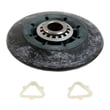
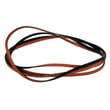
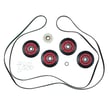
- For common wear items on this model family, a dryer repair kit 4392067 often covers multiple drum support and belt components, but confirm fit by model before ordering.
Why it matters
Kenmore dryers can look identical across several model variations, but internal parts like the drive system, gas burner components, and thermostats can differ. Using the exact model number from the door-well label prevents mismatched parts and repeat repairs.
Last updated: February 2026
Where is the part number on a Kenmore dryer?
On Kenmore gas dryer model 11094832200, the model and serial tag (often called the “ID plate”) is typically found on the dryer cabinet opening around the door area. Use that tag information to match the correct replacement parts for your exact dryer.
Where to look on the dryer
Check these common ID plate locations first:
- Open the dryer door and look along the door opening (cabinet front) on the left or right side
- Look on the inside face of the door itself
- Check the front panel area just behind the door opening
- If you still do not see it, check the rear panel for an additional rating label
For the exact label location and what the tag looks like for this model, use the 11094832200 owner's manual.
What numbers you need (and why)
The tag usually includes several identifiers. Here is what each one is used for:
| What you see on the tag | What it’s used for | Example format |
|---|---|---|
| Model number | Confirms the exact dryer design | 11094832200 |
| Serial number | Helps confirm production series | Letters and numbers |
| Type of fuel | Confirms gas vs. electric parts | Gas |
Why it matters
Kenmore dryers often share similar styling across different series, but internal parts (like the igniter, gas valve coils, or thermal fuse) can vary by model and production run. Using the model and serial from the ID plate prevents ordering the wrong part.
Quick tip for ordering the right part
When you search parts for this dryer, we recommend using:
- The full model number: 11094832200
- The serial number from the tag (if available)
- The part name (example: thermal fuse, igniter, idler pulley)
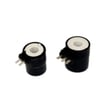
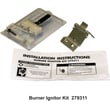
If you are troubleshooting a no-heat condition on this gas dryer, common related parts include the igniter 279311, dryer valve coil kit 279834, and dryer thermal fuse WP3390719.
Last updated: February 2026
What is the average lifespan of 11094832200?
The average lifespan of the Kenmore gas dryer model 11094832200 is about 13 years with normal household use. Regular lint removal, proper venting, and replacing wear items (belt, rollers, thermal fuse) on time are what most often determine whether it reaches that full service life.
What affects lifespan the most
- Venting and airflow: restricted exhaust overheats the dryer and shortens component life.
- Lint screen maintenance: residue buildup increases dry times and heat stress.
- Heat system health: igniter, gas valve coils, and thermostats cycle constantly.
- Drum support wear: rollers, idler pulley, and belt wear from friction and load size.
- Electrical connections: loose or damaged wiring can cause intermittent failures.
Maintenance schedule we recommend
Use your 11094832200 owner's manual for model-specific cleaning and safety details.
| Task | How often | Why it matters |
|---|---|---|
| Clean lint screen | Every load | Keeps airflow strong and drying times normal |
| Wash lint screen (nylon brush, hot water) | Every 6 months | Removes detergent and softener residue that clogs the screen |
| Check vent path and outside hood | Every 6 to 12 months | Prevents overheating and shutdowns |
| Listen for squeal or thump | As needed | Catches belt and pulley wear early |
Parts that commonly limit dryer life
If the dryer runs but stops heating, overheats, or takes too long to dry, these are frequent culprits on gas dryers like this one:
- Dryer thermal fuse WP3390719 (opens if the dryer overheats)
- Dryer high-limit thermostat W11050897 (protects against excessive temperature)
- Dryer valve coil kit 279834 (can fail and stop the burner from staying lit)
- Igniter 279311 (lights the gas burner)
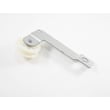
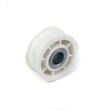
- Dryer idler pulley 279640 (keeps belt tension; can squeal or seize)
Why it matters
A dryer that is forced to run hot or run long to dry clothes wears out the heat system and drum support parts faster. Keeping airflow correct is the simplest way to protect the motor, thermostats, and gas ignition components.
Last updated: March 2026