Owner’s manual
 Error Codes


Do you remove cardboard from the bottom of a Whirlpool refrigerator?
No. On a Whirlpool WRF555SDHV02 bottom-mount refrigerator, any cardboard-like panel or cover at the bottom is typically there to protect components and help manage airflow; it should stay in place during normal use. For model-specific handling and care steps, follow the owner's manual.
What you should do instead
- Leave the bottom cover/panel installed and intact.
- If you need to move the refrigerator, protect your floor with cardboard or hardboard and pull the unit straight out (do not “walk” it).
- If you are cleaning, focus on accessible areas like the base grille area and surrounding floor.
- If the panel is loose, torn, or dragging, re-seat it carefully so it does not rub the floor.
- If you see water, ice buildup, or unusual noise near the bottom, troubleshoot the symptom first before removing anything.
When removal is appropriate (and when it is not)
In most homes, you do not remove the bottom cardboard or cover. Removal is usually only done during specific service procedures.
| Situation | Leave it in place? | Why |
|---|---|---|
| Normal operation | Yes | Protects components and supports proper airflow |
| Routine cleaning around the fridge | Yes | You can clean without disturbing protective covers |
| Moving the refrigerator for cleaning/service | Yes | Prevents damage; follow safe moving guidance |
| Technician-level repair access | Sometimes | Only if a procedure specifically calls for it |
Why it matters
That bottom cover helps shield wiring, tubing, and other refrigeration components from damage. Removing it can lead to airflow problems, extra noise, or accidental contact with sensitive parts.
Last updated: February 2026
What is the bottom part of a refrigerator called?
On a Whirlpool WRF555SDHV02 bottom-mount refrigerator, the “bottom part” most people mean is the base area behind the base grille, where key components like the compressor and condenser fan area are located. The compressor is the main sealed-system pump that circulates refrigerant.
What you might be referring to (common “bottom” parts)
Depending on what you’re seeing or trying to fix, the bottom area can mean different things:
- Base grille (toe grille): the vented cover at the very bottom front
- Compressor compartment: where the compressor and electrical components sit
- Condenser area: where heat is rejected (often near the compressor compartment)
- Freezer drawer: the lower storage section on a bottom-mount design
- Leveling legs/rollers: used to level the cabinet and help doors seal correctly
For diagrams and access steps specific to this model, use the owner's manual.
Quick ID guide: what it’s called vs. what it does
| What you call it | Typical location | What it does |
|---|---|---|
| Compressor | Bottom rear area | Pumps refrigerant through the sealed system |
| Condenser | Bottom rear area | Releases heat so the refrigerator can cool |
| Base grille | Bottom front | Allows airflow and provides access for some service tasks |
| Freezer drawer | Bottom front | Stores frozen food; rides on drawer glides |
Why it matters
Using the right name helps you order the correct part and troubleshoot faster. For example, “freezer drawer not closing” points to slides and alignment, while “warm fridge” can point to airflow, condenser issues, or sealed-system components.
Helpful tips when working near the bottom of the fridge
- Unplug the refrigerator before removing covers or moving wiring.
- Keep airflow clear; proper ventilation space around the cabinet supports cooling performance.
- If you remove doors or the freezer drawer, support them properly and follow the model’s steps.
- If you’re chasing cooling symptoms, check for unusual noises near the compressor compartment.
- For water and ice issues, confirm the water line connection space at the back is not kinked.
Last updated: February 2026
What is the lifetime of a Whirlpool refrigerator?
A Whirlpool refrigerator typically lasts 13 years with normal household use and basic maintenance. For your Whirlpool WRF555SDHV02 bottom-mount refrigerator, keeping airflow clear, doors sealing well, and the water system maintained helps you reach that expected service life; see the WRF555SDHV02 owner's manual for care guidance.
Typical lifetime and what affects it
Most refrigerators fail early because of heat buildup, poor door sealing, or neglected water and ice components.
- Maintenance habits (cleaning, filter changes, coil airflow)
- Room conditions (heat, humidity, tight cabinetry clearances)
- Door seal condition (warm air leaks increase run time)
- Ice maker and dispenser use (more cycles, more wear)
- Power quality (outages and surges can stress controls)
Quick maintenance checklist (high impact)
These steps are the most effective for extending life on a bottom-mount refrigerator like the WRF555SDHV02:
- Keep vents inside the fresh food and freezer sections unblocked
- Clean dust from the condenser area so the compressor can shed heat
- Confirm doors close on their own and gaskets seal all the way around
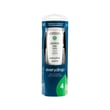
- Replace the water filter on schedule; use the filter, water EDR4RXD1
- If ice production slows, inspect the ice maker and fill system; the refrigerator ice maker assembly WPW10300024 is a common wear item
What “lifetime” looks like by component
| Component | Typical service life | What you notice when it’s wearing out |
|---|---|---|
| Compressor and sealed system | 10 to 20 years | Warm temps, long run times, poor cooling |
| Electronic control | 8 to 15 years | Random resets, inconsistent temps |
| Ice maker | 3 to 7 years | No ice, small cubes, leaking or jams |
| Water filter | About 6 months | Slow dispensing, taste or odor changes |
Why it matters
Knowing the typical lifespan helps you decide when maintenance is worth doing versus planning for a larger repair. Your manual also outlines warranty coverage periods for certain sealed-system components, which can affect repair decisions; check the WRF555SDHV02 owner's manual for details.
Last updated: February 2026
Why does my Whirlpool bottom freezer leak out of the bottom right side front?
On a Whirlpool WRF555SDHV02 bottom-mount refrigerator, a leak at the bottom right front is usually defrost meltwater overflowing from a clogged or frozen drain, or a small drip from the ice maker or dispenser water line that tracks forward. Fixing the drain path or the water connection stops the puddle.
Most common causes to check
- Defrost drain clogged or frozen: Water can’t flow to the drain pan, so it spills onto the freezer floor and runs to the front.
- Freezer door not sealing: Warm air creates heavy frost; the extra defrost water overwhelms the drain.
- Water line quick-connect seep: A slightly unseated line can drip and migrate to the right front.
- Filter or housing drip: A mis-seated filter can leak inside the fresh food section and run down.
What to do (safe, practical steps)
- Unplug the refrigerator; pull out the freezer drawer and look for ice on the freezer floor or back wall.
- Thaw any ice with warm (not boiling) water; then flush the drain opening until water flows freely.
- Check the freezer gasket for gaps, tears, or areas that don’t grip a sheet of paper when the door is closed.
- If the unit is plumbed in, inspect the rear tubing and fittings for moisture; re-seat the water line connection as shown in the owner's manual.
Quick diagnosis guide
| Symptom | Most likely cause | Best next step |
|---|---|---|
| Ice sheet on freezer bottom | Defrost drain clogged/frozen | Thaw and flush drain |
| Water after ice maker cycles | Fill tube or supply seep | Inspect for drips/ice at rear |
| Water only when dispensing | Dispenser line/valve seep | Check tubing and fittings |
| Heavy frost then puddles | Door seal leak | Clean and re-form gasket |
Parts that can be involved
If you confirm the leak is from the water system (not the drain), these model-matched parts are common suspects:
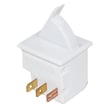
- Valve-dual w W11043013 (water inlet valve)
- Filter, water EDR4RXD1 (water filter)
Why it matters
Front-corner leaks can damage flooring and often signal a drain or sealing problem that can lead to ice buildup and poor cooling.
Last updated: February 2026