Installation guide
 Owner’s manual
 Error Codes


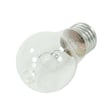
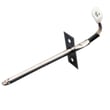
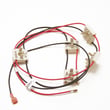
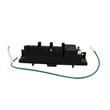

How long should a Kenmore gas stove last?
A Kenmore gas range like model 79070602013 typically lasts 15 years with normal household use and basic care. Keeping burners clean, ensuring steady ignition, and addressing weak heating early helps you get the full expected lifespan (and often more).
Typical lifespan and what affects it
Most of the life of a gas range comes down to heat exposure, cleaning habits, and how hard the ignition and controls work.
- Average expected life: 15 years
- Heavy use (daily high-heat cooking): often shorter
- Light use and consistent cleaning: often longer
- Frequent boil-overs and spills: can shorten life by clogging burner ports and stressing igniters
- Poor ventilation and grease buildup: can accelerate wear on knobs, switches, and wiring
Quick maintenance checklist (high impact)
These are the habits we see make the biggest difference on Kenmore gas ranges.
- Clean burner caps and burner heads regularly; keep ports clear
- Wipe up boil-overs quickly to prevent corrosion and clogged gas flow
- Keep the oven bottom and burner area free of heavy debris
- Confirm burners ignite promptly; repeated clicking or delayed ignition needs attention
- Use a vent hood and keep its filter clean to reduce grease buildup
When a “simple part” repair can extend life
If the range is otherwise in good shape, replacing common wear parts can restore reliable lighting and heating.
| Symptom | Common cause | Example part for 79070602013 |
|---|---|---|
| Oven won’t ignite or takes too long to light | Weak igniter | Range oven burner igniter 5304509706 |
| Surface burners keep clicking or won’t spark | Switch/harness issue | Frigidaire range igniter switch and harness assembly 316580615 |
| Oven temperature swings too much | Sensor drifting | Range oven temperature sensor 316233903 |
Why it matters
A gas range that lights within normal timing and holds temperature reduces stress on the gas valve, igniters, and control components. That usually means fewer breakdowns and a longer service life.
For model-specific operating and care guidance, follow the cleaning and use recommendations in the 79070602013 owner's manual.
Last updated: February 2026
How to adjust the flame on a Kenmore gas stove?
On the Kenmore gas range model 79070602013, you adjust the low flame by removing the burner knob and turning the small valve-stem screw inside the control shaft until the flame stays lit at the lowest setting without going out. See the 79070602013 installation guide for the exact procedure.
Before you start (safety and setup)
- Turn the burner OFF before removing the knob.
- Work with good lighting so you can clearly see the flame.
- Use a thin, small flat-blade screwdriver for the valve-stem adjustment.
- If you smell gas at any time, turn the knob OFF and stop.
- Keep the burner cap and burner head seated correctly before testing.
Steps to adjust the surface burner low flame
- Light the burner: push in and turn the knob to LITE until it ignites.
- Quickly turn the knob down to the lowest setting.
- If the flame goes out, turn the knob OFF.
- Pull the control knob straight off the valve stem.
- Insert a thin flat-blade screwdriver into the hollow valve stem and engage the slotted screw.
- Adjust the flame:
- Turn counterclockwise to increase flame.
- Turn clockwise to decrease flame.
- Reinstall the knob and retest: you should be able to move from LITE to LOW without extinguishing the flame.
What “correct” looks like
We set the low flame as small as possible while staying stable and not lifting off the burner.
| Flame behavior | What it usually means | What to do |
|---|---|---|
| Goes out on LOW | Low setting too small | Increase slightly (counterclockwise) |
| Tall flame on LOW | Low setting too large | Decrease slightly (clockwise) |
| Uneven or noisy | Burner parts mis-seated or dirty | Reseat and clean burner cap/head |
Why it matters
A properly adjusted low flame prevents nuisance flame-outs (which can cause gas odor) and gives you reliable simmer control for sauces and delicate cooking.
Last updated: February 2026
How to change Kenmore spark electrode igniter?
To change a spark electrode igniter on your Kenmore gas range model 79070602013, we shut off power and gas, remove the grate, burner cap, and burner head, then swap the electrode at the orifice holder and reassemble. Use the 79070602013 installation guide to confirm correct burner-cap seating and ignition checks.
Safety first
- Turn off power at the breaker (spark ignition is electrical).
- Shut off the gas supply valve.
- Let the cooktop cool completely.
- Avoid pulling on wires; grip the connector.
- Stop if you smell gas; correct the leak before testing.
Step-by-step: replace the surface burner electrode
- Remove the grate, then lift off the burner cap.
- Lift off the burner head; note its orientation.
- Locate the electrode at the burner base (mounted near the orifice holder).
- Pull the wire connector straight off the electrode.
- Remove the mounting screw, then remove the electrode.
- Install the new electrode; seat it fully and reinstall the screw.
- Reconnect the wire, then reinstall the burner head and cap.
Verify ignition (what “normal” looks like)
- Turn the knob to LITE; you should hear rapid sparking.
- The burner lights within about 4 seconds after air is purged.
- Once lit, turn the knob out of LITE and confirm a steady flame.
| Symptom | Likely cause | What to check next |
|---|---|---|
| No spark at that burner | Loose connector, bad electrode | Reseat connector; inspect electrode tip |
| Spark but no flame | Cap/head mis-seated, clogged ports | Reseat cap; clean burner head ports |
| No burners spark | Spark system issue | Check range spark module 5304508269 |
Why it matters
Correct burner cap placement and a solid electrode connection prevent delayed ignition, uneven flames, and constant clicking.
Last updated: February 2026
How to know if a gas stove regulator is bad?
On the Kenmore gas range model 79070602013, a bad gas pressure regulator typically shows up as unstable burner flames, poor heat output, or repeated ignition problems. If you suspect a leak or you smell gas, shut off the manual gas valve immediately and follow the leak-test steps in the 79070602013 installation guide.
Common signs the regulator is failing
- Burner flames are very low even on HIGH
- Flames lift off the burner, flutter, or go out when other burners turn on
- Flames are consistently yellow or orange (after cleaning burner ports)
- Oven or broiler takes much longer than normal to heat
- You hear a whistling or hissing sound near the regulator area
- You see physical damage or corrosion on the regulator body
Quick checks you can do safely
Before any checks, turn off power to the range at the breaker and keep all flames and sparks away.
- Confirm the regulator service shut-off valve is in the ON position (the installation guide shows the valve position)
- Verify the house gas shut-off valve is fully open
- Make sure the range was not recently converted to LP/Propane without converting the regulator correctly
- Check burner caps and heads are seated correctly and ports are not clogged
- Use a liquid leak detector solution on joints and fittings (never use a flame)
Pressure numbers that help confirm a regulator problem
The installation instructions for this range call out these typical manifold pressures when properly adjusted:
| Gas type | Typical manifold pressure | Max inlet pressure to regulator |
|---|---|---|
| Natural gas | 4" water column | 14" water column |
| LP/Propane | 10" water column | 14" water column |
If you need to check manifold pressure, the guide describes connecting a manometer at a top burner orifice and running at least two other burners for an accurate reading.
Why it matters
A regulator that is out of spec can cause weak heating, nuisance shutdowns, soot, and unsafe combustion. Correct inlet pressure, correct conversion (Natural gas vs LP), and leak testing are essential for safe operation.
Last updated: February 2026
Where to find Kenmore gas range model number?
On Kenmore gas range model 79070602013, the model and serial number label is on the right-hand surface of the oven front frame. Open the storage drawer, warmer drawer, or broiler drawer to see the identification plate; we use that exact model number to match the correct parts and diagrams.
Where to look on model 79070602013
Check these spots in this order:
- Pull out the bottom drawer (storage, warmer, or broiler drawer depending on your range)
- Look on the right-hand side of the oven front frame for a metal or foil identification plate
- Write down the model number, serial number, and any lot number/letter shown
- If the label is greasy, wipe it gently so every digit is readable
- Keep the numbers handy before ordering parts like an igniter, spark module, or temperature sensor
What the identification plate tells you (and why it matters)
Besides the model number, the plate typically lists key gas-range details that affect parts selection and setup.
| Label item | What we use it for |
|---|---|
| Model number | Ensures parts fit your exact Kenmore range |
| Serial number | Helps confirm production variation |
| Lot number/letter | Helps match the correct revision of parts |
| Fuel type and pressure | Confirms natural gas vs LP setup and adjustments |
Tips to avoid ordering the wrong part
- Match every digit of the model number: 79070602013
- Use the label information when choosing ignition parts such as the range spark module 5304508269
- If you are converting to LP, follow the steps and safety notes in the 79070602013 installation guide
Why it matters
Kenmore ranges often have multiple versions that look similar; using the identification plate prevents mismatched parts, incorrect burner ratings, and installation issues.
Last updated: February 2026
Why is my Kenmore gas oven clicking but not lighting?
On Kenmore gas range model 79070602013, clicking without ignition usually means the igniter is getting power but the burner is not lighting within the normal 30 to 60 seconds; the most common causes are a weak oven igniter, a gas supply issue, or a problem in the ignition circuit. Confirm the normal ignition sequence in the 79070602013 installation guide.
Quick checks we recommend first
- If you smell gas, do not try to light the oven; follow the gas-safety steps in the 79070602013 installation guide.
- Make sure the range has electrical power; the oven uses an electric igniter and valve system.
- Set Bake 300°F and watch for the igniter to glow; the burner should light within 60 seconds.
- If the igniter glows but the burner never lights, the igniter is typically too weak to open the oven gas valve.
- If the igniter never glows, check for a failed igniter circuit, wiring, or control.
Most likely causes (and what you’ll see)
| What you observe | Most likely cause | What to do next |
|---|---|---|
| Clicking, igniter glows, no flame | Weak igniter | Replace the range oven burner igniter 5304509706 |
| No glow, no ignition | Igniter circuit issue (switch, wiring, control) | Inspect connections; test continuity with a meter |
| Delayed ignition, then “whoosh” | Dirty burner ports or weak igniter | Clean burner; replace igniter if delay continues |
| Surface burners work, oven won’t | Oven-specific igniter/valve issue | Focus on oven igniter and oven gas valve circuit |
Safe troubleshooting steps
- Turn off power at the breaker before accessing wiring or components.
- Remove the oven bottom panel (if applicable) and look for:
- Cracked or damaged igniter
- Loose wire connectors or heat-damaged wiring
- Heavy debris blocking burner ports
- If you use a multimeter, follow a proven method such as how to use a multimeter to test electrical parts video.
Why it matters
This model’s oven ignition is designed to open the gas valve only after the igniter reaches the right temperature. A weak igniter can click and even glow, but still fail to draw enough current to open the valve, so the oven never lights.
Last updated: February 2026