Owner’s manual
 Error Codes



What is the life expectancy of a GE washing machine?
A GE washing machine typically lasts 10 to 14 years. For your GE GTW680BSJ7WS top-load washer, lifespan depends most on load size, cycle frequency, and maintenance habits like replacing fill hoses on schedule and keeping the washer clean (see the GTW680BSJ7WS owner's manual).
Most washers reach the end of life due to wear in moving parts (drive system, suspension, draining) or repeated water-related issues.
Common factors that extend life:
- Using the correct load size (avoid chronic overloading)
- Leveling the washer to reduce vibration and tub stress
- Using the right amount of HE detergent (less residue)
- Leaving the lid open between loads to dry out the tub
- Replacing water supply hoses every 5 years
Common factors that shorten life:
- Frequent heavy loads (bedding, towels) without balancing
- Running with persistent out-of-balance shaking
- Ignoring slow drain symptoms or standing water
- Hard water buildup and detergent overuse
The manual for this model specifically calls out hose replacement intervals; that is one of the easiest ways to prevent damage and keep the washer running reliably.
| Item | What to do | When |
|---|---|---|
| Water supply hoses | Replace both hot and cold hoses | Every 5 years |
| Washer leveling | Re-check level and leg locknuts | If vibration increases |
| Tub and dispenser cleaning | Clean residue and buildup | Monthly or as needed |
| Drain performance | Watch for slow drain or water left in tub | Ongoing |
A washer that is kept level, drains quickly, and has fresh fill hoses runs with less strain on the motor, suspension, and gear case. That reduces breakdowns and helps you get the full 10 to 14 years (or more) from a GE top-load washer.
If performance issues start showing up, these are common wear items for this model:
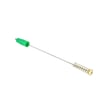
- Washer suspension rod and spring assembly WH16X26911 (excessive shaking, out-of-balance)
- GE washer drain pump assembly WH23X28418 (won’t drain, water left in tub)
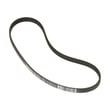
- Washer drive belt WH01X24180 (won’t spin, burning rubber smell)
Last updated: February 2026
How to force GE washer to drain and spin?
To force your GE GTW680BSJ7WS washer to drain and spin, select the Drain & Spin cycle and press Start/Pause. If the washer is paused with water in the tub, switching to Drain & Spin is the correct way to drain the basket and extract water.
- Press Power to wake the control.
- Turn the cycle selector knob to Drain & Spin.
- Close the lid (the washer may not start with the lid open).
- Press Start/Pause to begin.
- If the load ends up wetter than normal, redistribute items and run Drain & Spin again.
These are the most common reasons a top-load GE washer will drain but not reach full spin:
- Out-of-balance load: bulky items or a single heavy item can prevent high-speed spin.
- Lid not closed or not locking: the washer may pause and show a lid-related message.
- Drain problem: slow draining can delay or prevent spin.
- Drive system issue: belt, clutch, shifter, or motor problems can stop spin.
| Symptom | What to check | Model-matched part example |
|---|---|---|
| Hums but will not drain | Drain pump running but not moving water | GE washer drain pump assembly WH23X28418 |
| Drains but basket stays very wet | Spin system not engaging consistently | Washer drive belt WH01X24180 |
| Bangs, walks, or cannot balance | Suspension not controlling tub movement | Washer suspension rod and spring assembly WH16X26911 |
Drain & Spin is the fastest way to remove standing water after a stopped cycle, an out-of-balance event, or a wet load. It also helps you confirm whether the issue is balance-related (load redistribution fixes it) or a drain/spin component problem.
- Use the cycle descriptions and Start/Pause behavior in the GTW680BSJ7WS owner's manual.
- If the display shows an error or scrolling message, match it using GE gtw top load washer error codes.
Last updated: February 2026
Where is the filter on my GE GTW680BSJ7WS washing machine?
On the GE GTW680BSJ7WS top-load washer, there is no routine, user-accessible “front filter” like many front-load models have. For this model, the practical “filtering” points are the inlet hose screens at the water valve and the drain path (hose and pump) that can trap debris; use the owner's manual for your model’s care and cleaning guidance.
- Water inlet hose screens: Turn off both water supplies, remove the hoses from the back of the washer, and rinse any sediment from the small screens.
- Drain hose: Look for kinks, clogs, or a standpipe that is too tight and restricts flow.
- Drain pump area: If the washer will not drain or leaves water behind, debris can be in the pump or hose; the replacement pump for this model is the GE washer drain pump assembly WH23X28418.
- Tub ring and basket area: Check for small items (coins, socks) that can migrate and cause rubbing or poor draining.
- Detergent drawer (GTW680 series): Clean residue buildup so water can flush additives correctly.
| Symptom | Most likely “filter-related” cause | What to do |
|---|---|---|
| Slow fill or no fill | Clogged inlet screens | Clean inlet screens; confirm valves fully open |
| Won’t drain, standing water | Drain hose restriction or pump obstruction | Inspect hose; check pump; replace pump if needed |
| Long cycle times | Poor fill or poor drain | Address inlet screens and drain path |
| Off-balance, banging | Suspension issue (not a filter) | Inspect suspension rods and load balance |
A clogged inlet screen can starve the washer of water and trigger fill problems, while a restricted drain path can prevent proper draining and spinning. Keeping these areas clear helps protect the drain pump, improves cycle performance, and reduces nuisance errors.
Last updated: February 2026