Installation guide
 Owner’s manual
 Error Codes


Is there a filter on a top load Amana washing machine?
Yes. On the Amana NTW4611BQ1 top-load washer, there is no routine, user-cleanable lint filter like you might see on some older washers; instead, we focus on preventing buildup inside the tub and keeping the drain path clear using the cleaning and loading steps in the owner's manual.
Most “filter” questions on this washer come down to two areas: wash residue inside the basket/tub and small items restricting drainage.
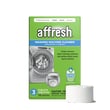
- Run the recommended washer-cleaning routine monthly (or every 30 cycles).
- Use the correct amount of HE detergent; too much detergent can cause residue and odors.
- Wash occasional warm or hot loads to help control buildup.
- Leave the lid open between loads so the tub can dry.
- If draining is slow, check for small items caught between the basket and tub or in the pump area.
A clog is the most common “filter-like” problem. Start with simple checks before replacing parts.
- Confirm the lid is fully closed during operation.
- Make sure the drain hose is installed correctly and not pushed too far into the standpipe.
- Reduce detergent if you see heavy suds; suds can slow or stop draining.
- Rebalance the load; tightly packed loads can prevent proper spin-out.
| Symptom | Most likely cause | What to do first |
|---|---|---|
| Musty odor | Detergent/soil residue | Run monthly cleaning cycle; leave lid open |
| Slow drain, wet clothes | Suds or restriction | Reduce detergent; check for small items |
| Vibration during spin | Washer not level or unbalanced load | Level washer; redistribute load |
Keeping the tub clean and the drain path clear helps your NTW4611BQ1 wash better, drain faster, and avoid odor-causing residue buildup.
Last updated: February 2026
What is the life expectancy of an Amana washing machine?
An Amana washing machine typically lasts 8 to 12 years with normal household use. For your Amana NTW4611BQ1 top-load washer, consistent leveling, correct loading, and using the right amount of detergent are the biggest factors that help it reach that expected lifespan (and avoid early wear).
| Appliance type | Typical life expectancy | What shortens life fastest |
|---|---|---|
| Budget to mid-range top-load washer (like Amana) | 8 to 12 years | Chronic overloading, unbalanced spins, oversudsing |
| Heavy-use household (multiple loads daily) | 5 to 8 years | Heat, vibration, frequent high-speed spins |
Use these habits from the NTW4611BQ1 care and troubleshooting guidance in the owner's manual:
- Keep the washer level; all feet should be firmly on the floor to reduce vibration and tub stress.
- Load items loosely and evenly around the basket wall; tightly packed loads reduce cleaning and increase strain.
- Use the right detergent amount; too much detergent can cause suds that slow draining and spinning.
- Avoid adding lots of wet items mid-cycle; it can unbalance the load and increase wear.
- Choose the right cycle and spin speed for the fabric; higher spin extracts more water but increases mechanical stress.
These symptoms usually point to wear in drive, suspension, or control components:
- Increasing vibration or banging during spin, even with balanced loads
- Loads still wet after spin (drain or spin performance dropping)
- Intermittent stopping or not starting unless the lid is re-closed
- New or worsening humming, surging, or abnormal mechanical noise
When performance issues start, these model-matched parts are often involved:
- Washer drive belt WPW10006384 (slipping, squealing, weak spin)
- Washer damper W10780045 (excessive vibration, off-balance behavior)
- Washer lid lock assembly W10404050 (won’t start, stops mid-cycle)
A washer that is out of level, overloaded, or oversudsing works harder every cycle. That extra vibration and drag accelerates wear on the gear case, belt, suspension, and drain system, which shortens the overall life expectancy.
Last updated: February 2026
What usually breaks on a washing machine?
On the Amana NTW4611BQ1 washer, the parts that most often cause trouble are the ones tied to filling, draining, spinning, and lid safety. In real-world use, we most often see issues from clogged inlet screens, drain restrictions, unbalanced loads, and wear items such as the lid lock and drive components; the owner's manual troubleshooting section walks you through the quickest checks.
- Won’t fill or fills slowly: clogged inlet valve screens, kinked inlet hoses, or a failing inlet valve
- Won’t drain or won’t spin: small items blocking the pump path, drain hose installed incorrectly, or excess suds from too much detergent
- Lid won’t lock or washer won’t start: lid lock problems (common on top-load models)
- Loud banging, shaking, or walking: washer not level, flexible floor, or load not distributed evenly
- Clicking/metallic noises: coins or small objects caught between the basket and tub
- Confirm the lid is fully closed; this model pauses and will not run with the lid open.
- Verify both hot and cold faucets are on and hoses are not kinked.
- Check inlet valve screens for debris if filling is slow.
- Rebalance the load: load dry items in loose heaps around the basket wall; avoid single heavy items.
- Reduce detergent if you see lots of suds; excess suds can slow or stop draining and spinning.
| Symptom | Common part to check/replace | Example from our parts list |
|---|---|---|
| Won’t start, lid error behavior | Lid lock assembly | Washer lid lock assembly W10404050 |
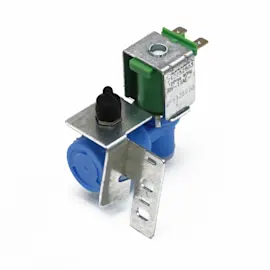
| Slow fill or no fill | Water inlet valve | Washer water inlet valve WPW10683603 |
| Won’t spin, burning rubber smell, weak agitation | Drive belt or drive pulley/cam | Washer drive belt WPW10006384 |
| Excessive vibration in spin | Suspension/damper components | Washer damper W10780045 |
Catching the “simple” causes early (unbalanced loading, leveling, clogged screens, too much detergent) prevents repeat shutdowns and reduces strain on the gear case, belt, and suspension.
For model-specific operating steps, leveling guidance, and the exact troubleshooting flow, use the NTW4611BQ1 installation guide.
Last updated: February 2026
How much does it cost to fix an Amana washing machine?
For an Amana NTW4611BQ1 top-load washer, most repairs cost $250 to $490 total (labor plus parts). Small fixes like a fill issue or lid lock usually run less; drive-system or control problems usually run more.
These factors move the price the most:
- Service call and diagnosis fee
- Local labor rate and time to access the failed part
- Part type (mechanical vs. electronic)
- Extra wear found during teardown (belt, pulley, leaks)
- Installation issues that mimic failures (leveling, hose connections)
| Repair area | Common symptom | Typical total cost |
|---|---|---|
| Fill system | Won’t fill, slow fill, hot/cold issue | $200 to $350 |
| Drain/spin | Won’t drain or spin, loud in spin | $250 to $450 |
| Vibration/banging | Shakes, walks, off-balance | $200 to $400 |
| Drive system | Squeal, weak agitation/spin | $250 to $490 |
| Controls/timer | Won’t start, stops mid-cycle | $300 to $550 |
If you’re pricing a DIY repair, these are frequently involved:
- Washer water inlet valve WPW10683603 for fill problems
- Washer lid lock assembly W10404050 for won’t start or won’t spin issues
- Washer drive belt WPW10006384 for slipping, squealing, weak agitation/spin
The troubleshooting section in the owner's manual covers these basics:
- Make sure the washer is level and all feet are firmly on the floor
- Tighten fill-hose connections and confirm the flat hose washers are seated
- Load items in loose heaps around the basket wall (avoid tight packing)
A $250 to $490 repair is a strong value when it’s a single wear part (belt, valve, lid lock). Higher totals usually mean longer labor time or more complex drive or control work.
Last updated: February 2026