
How to change line on McCulloch trimmer?
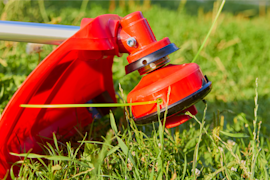
To change line on your Mcculloch MAC line trimmer, you remove the spool (reel), wind on the correct diameter line in the proper direction, then feed the two line ends through the eyelets and reassemble the trimmer head so the line advances smoothly.
Quick steps to replace the trimmer line
- Unplug the trimmer (electric models should always be de-energized before servicing).
- Press the tabs or unscrew the bump knob (varies by head style) to remove the cap.
- Lift out the spool and note how the old line was routed through the eyelets.
- Wind new line onto the spool in the direction of the arrow on the spool (if marked).
- Feed each line end into the exit holes/eyelets in the head.
- Reinstall the spool and cap; pull both line ends to remove slack.
Winding and threading tips (to prevent jams)
Most line-feed problems happen because the line is wound incorrectly or packed too tightly.
- Use a clean, even wind; keep each wrap snug but not stretched.
- Do not cross-wrap the line; lay it in neat layers.
- Leave equal lengths on both sides before reassembly.
- If the line ends are too long after reassembly, trim them with scissors to a practical cutting length.
What to check if the line will not advance
| Symptom | Most common cause | What we do next |
|---|---|---|
| Line will not feed | Line wound backward or crossed | Rewind neatly in the correct direction |
| Line breaks often | Line too thin/old or hitting hard edges | Replace with fresh line; avoid edging against concrete |
| Head binds or jams | Debris in head or melted line | Clean head; rewind with lighter tension |
Why it matters
Correctly winding and routing the nylon line reduces tangles, improves cutting performance, and helps the bump-feed (or auto-feed) mechanism work the way it should on a Mcculloch electric line trimmer.
For more help identifying the exact model number format you need for parts lookup, use how to find your appliance model number (and what it means for parts).
Last updated: February 2026
Which is better, .080 or .095 trimmer line?
For the Mcculloch MAC electric line trimmer, neither .080 nor .095 is universally “better”; the better choice is the diameter your trimmer head and spool are designed to feed reliably. In most electric trimmers, .080 is the everyday choice, and .095 is for heavier cutting only when the head is rated for it.
Quick comparison: .080 vs .095
| Line size | Typical best use | What you’ll notice | Common downside |
|---|---|---|---|
| .080 in | Regular grass trimming and edging | Smoother feeding, lighter cutting load | Wears faster in thick weeds |
| .095 in | Thicker weeds and tougher stems | More durability per inch | Can feed poorly or not fit some spools |
How to choose the right diameter for your MAC trimmer
- Check the trimmer head, spool, or guard for a stamped or printed line-size range.
- If the label lists a maximum diameter, stay at or under that number to prevent binding.
- If your line keeps welding together, jamming, or failing to advance, drop to .080.
- If you’re cutting mostly weeds and the head is rated for it, step up to .095 for longer wear.
- When in doubt, start with .080; it’s the most common fit for electric line trimmers.
Why it matters
Line diameter changes how easily the head feeds line and how much resistance the motor sees while cutting. Matching the diameter to the head’s rating prevents frequent jams and keeps trimming performance consistent.
Helpful DIY resource
If you’re diagnosing a trimmer that won’t run or has intermittent power while you’re working, use how to tell if a fuse is blown as a starting point for basic electrical checks.
Last updated: February 2026
Which string trimmer is best?
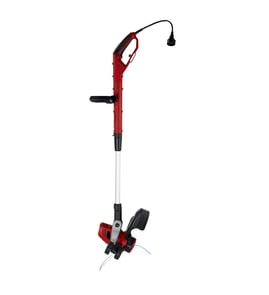
The “best” string trimmer depends on what you need it to do. For a Mcculloch electric line trimmer like model MAC, the best choice is the one that matches your yard size, cutting thickness, and comfort needs (weight, balance, and feed style) while delivering enough power for your typical trimming.
Quick pick guide (match the trimmer to the job)
- Small yards, light edging: corded electric or small battery trimmer
- Medium yards, weekly trimming: 40V to 60V battery trimmer with a bump feed head
- Thick weeds, fence lines, heavy growth: higher-voltage battery or gas trimmer with more torque
- Lots of edging: look for an easy line-feed system and a good edging guide
- Long sessions: prioritize lower weight, shoulder strap option, and low vibration
What to compare before you buy
| What you care about | What to look for | Why it helps |
|---|---|---|
| Power | higher voltage (battery) or higher amp rating (corded) | keeps the line from bogging down in thick grass |
| Runtime | larger Ah battery or spare battery | fewer stops to recharge |
| Line feed | bump feed, auto feed, or manual | reduces frustration and downtime |
| Cutting swath | wider swath for open areas, narrower for tight spots | balances speed vs control |
| Line size | thicker line for weeds, thinner for grass | improves cut quality and reduces breakage |
Why it matters for your Mcculloch electric trimmer
Electric trimmers like the Mcculloch MAC are great for routine grass trimming and edging because they start instantly and need less maintenance than gas. Choosing the right power level and line-feed style is what determines whether trimming feels quick and controlled or slow and string-break heavy.
Helpful DIY reading for electrical checks
If your current electric trimmer is underpowered or won’t run, basic electrical testing often finds the issue quickly. Use our guides: how to tell if a fuse is blown and how to use a multimeter to test electrical parts video.
Last updated: February 2026