Installation guide
 Owner’s manual
 Error Codes





Which is cheaper to run a gas or electric stove?
Gas is usually cheaper to run than a standard electric stove because natural gas typically costs less per unit of heat than electricity. For a GE gas range like model JGSP28SEN1SS, your real operating cost depends on local utility rates, how often you cook, and how efficiently you use the burners.
What typically costs less (and why)
In most U.S. homes, gas wins on day-to-day operating cost, while electric can be competitive in some areas.
- Gas range: Lower fuel cost in many regions; fast heat response.
- Electric coil or radiant: Often higher cost per cooking hour; steadier heat.
- Induction (electric): Most efficient electric option; can narrow the cost gap.
- Installation costs: Electric can be cheaper if the wiring is already in place; gas can cost more if a gas line is needed.
How to reduce operating cost on a gas range
Your JGSP28SEN1SS manual emphasizes using the flame efficiently; flames that extend up the sides of cookware waste heat.
- Match flame size to the pan bottom (avoid flames licking up the sides)
- Use flat-bottom cookware that sits solidly on the grate
- Simmer on the smaller burner when possible
- Keep burner ports clear so the flame stays steady and mostly blue
- Use a ventilation hood or fan as recommended for normal cooking and self-clean venting
Quick comparison table
| Factor | Gas range | Electric range | Induction range |
|---|---|---|---|
| Typical cost to run | Lower | Medium to higher | Medium (often lower than standard electric) |
| Efficiency | Medium | Medium | High |
| Heat response | Fast | Slower | Very fast |
Why it matters
Choosing the cheaper-to-run option is not just about the fuel price; it is also about efficiency and cooking habits. On a gas cooktop, proper flame size and good cookware fit reduce wasted heat and help keep cooking costs down.
For model-specific operating and safe-use guidance (including burner lighting and flame adjustment), follow the owner's manual.
Last updated: February 2026
What kind of gas is used for a gas stove?
GE gas ranges like model JGSP28SEN1SS are set up to run on natural gas or LP (propane) gas, depending on how the range is installed and adjusted. This model can be converted between natural gas and LP; the correct setup is confirmed during installation.
Which gas should I use?
Your home’s gas supply determines the correct fuel:
- Natural gas: common in homes with a utility gas line
- LP (propane): used with a propane tank and regulator
- The range must be adjusted for the specific gas type before use
- After an LP conversion, an LP sticker is typically applied near the regulator to identify the setup
For model-specific conversion and setup details, follow the installation guide.
How to tell if the range is set for the right gas
Flame appearance is a practical clue:
- Natural gas: flames are typically soft blue; slight yellow tips can occur
- LP gas: some yellow tipping on the outer cone is normal
- Steady yellow flames (not just tips) point to an adjustment or combustion issue
If you’re troubleshooting flame color or burner performance, use the guidance in the owner's manual.
Quick comparison
| Fuel type | Typical home supply | Normal flame look | Notes |
|---|---|---|---|
| Natural gas | Utility gas line | Soft blue, occasional yellow tips | Most common default setup |
| LP (propane) | Propane tank | Blue with some yellow tipping | Requires correct conversion/adjustment |
Why it matters
Using the correct gas type and proper burner adjustment helps your GE range heat correctly and reduces incomplete combustion. It also prevents issues like weak flames, soot, or burners that won’t stay lit.
Last updated: February 2026
Is it worth fixing a gas stove?
Yes, it’s worth fixing your GE JGSP28SEN1SS gas range when the problem is a common wear item (like an igniter or burner parts) and the total repair cost stays well below the price of a comparable replacement range. Replacement makes more sense when multiple major systems are failing or the unit is near end-of-life.
Quick decision checklist
- Repair when only one function is affected (bake won’t light, one burner won’t ignite, oven light out).
- Repair when the fix is a straightforward part swap (igniter, burner head/cap, sensor, gasket).
- Repair when the range is otherwise heating evenly and the cooktop flames look normal (mostly blue).
- Replace when you have repeated breakdowns across different systems (ignition, gas control, door, wiring).
- Replace when the oven cavity or frame is damaged, or repairs require extensive disassembly.
Common fixes that are usually worth it on JGSP28SEN1SS
These are frequent, targeted repairs that often restore normal operation:
- Oven won’t heat or takes too long to preheat: check the GE range oven burner igniter WB13T10045.
- Weak/uneven cooktop flame: clean/inspect the range surface burner head WB16T10046 and range surface burner cap WB29K10009.
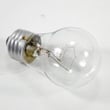
- Oven light out: replace the oven lamp 40A15 (and inspect the oven lamp holder WB08T10002 if the socket is heat-damaged).
- Heat leaking around the door: inspect the range oven door gasket WB04T10050.
Cost vs. value guide
| Situation | Typical recommendation | Why |
|---|---|---|
| One failed part, range otherwise solid | Repair | Lowest cost, fastest return to service |
| Multiple small issues at once | Repair if parts are available and labor is reasonable | Bundling fixes reduces repeat service calls |
| Major gas/heat control issue | Case-by-case | Higher parts cost and higher safety sensitivity |
Why it matters (safety and performance)
A properly adjusted gas range burns with a mostly blue flame; that helps minimize incomplete combustion and improves cooking performance. If you’re seeing persistent yellow flames, soot, or strong odors, address it promptly and use ventilation as described in the owner's manual.
Before you decide, do these 5 checks
- Confirm the symptom (bake, broil, surface burner, or oven light).
- Look for simple causes first (dirty burner ports, loose cap seating, tripped breaker for ignition).
- Verify flame appearance (mostly blue, stable).
- Price the likely part(s) and compare to replacement cost.
- Review gas and shut-off guidance in the installation guide before any gas-related service.
Last updated: February 2026
What is the most reliable brand of gas stove?
GE is one of the most reliable mainstream gas range brands because parts and service are widely available, and the designs are typically straightforward to maintain. If you already own the GE JGSP28SEN1SS, the most reliable choice is keeping this range running with proper burner setup, ventilation, and timely part replacement.
What “reliable” means for a gas range
We judge reliability by how consistently the burners ignite, how steady the oven heat is, and how easy it is to get replacement parts.
Key factors:
- Consistent ignition and stable blue flame
- Even oven heating and accurate temperature sensing
- Strong parts availability (igniters, sensors, gaskets)
- Simple, safe access for common repairs
- Clear operating and safety guidance in the manual
Brand reliability: what to expect
Reliability varies by model, but these are common patterns shoppers see.
| Brand tier | Brands | What usually drives reliability |
|---|---|---|
| Mainstream | GE, Whirlpool, Frigidaire | Easier service, better parts availability |
| Premium | Bosch | Strong build quality, higher cost |
| Pro-style | Wolf | Heavy-duty components, higher install and repair cost |
Keeping your GE JGSP28SEN1SS dependable
These habits prevent many “range not working” complaints.
- Keep burner caps and heads seated correctly
- Clean burner ports to prevent uneven flame
- Avoid stove-top grills on sealed burners (can cause incomplete combustion)
- Use flat-bottom cookware; use a flat-bottom wok on the grate
Parts that commonly affect performance
If symptoms start, these parts often restore normal operation:
- Slow or no oven ignition: range oven burner igniter WB13T10045
- Oven temperature swings: sensor WB21X22134
- Heat leaking around the door: range oven door gasket WB04T10050
Why it matters
A reliable gas stove burns cleanly and heats predictably; good flame quality and ventilation reduce incomplete combustion, and good door sealing improves cooking results.
For model-specific cookware, wok, ventilation, and safety guidance, use the JGSP28SEN1SS owner's manual.
Last updated: February 2026