Owner’s manual
 Error Codes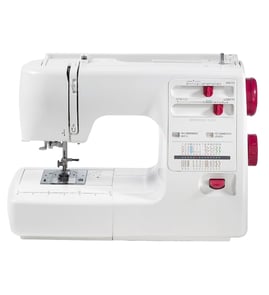

How old is the Kenmore sewing machine model 38517724490?
The exact age of your Kenmore sewing machine model 38517724490 depends on the serial number, but the 385 model prefix is commonly associated with Kenmore machines produced from the mid-1960s through the 1980s. Use the serial number on the machine’s nomenclature plate to narrow the production timeframe using the owner's manual.
How to estimate the age (best method)
To date a Kenmore 38517724490, we use the machine’s identification plate information (model and serial).
- Unplug the sewing machine before inspecting or cleaning around covers.
- Locate the nomenclature plate (ID plate) on the machine (the manual points you to its location).
- Write down the full serial number exactly as shown.
- Keep the model and serial recorded for parts lookup and service history.
- Compare the serial format to known Kenmore 385 production ranges (serial patterns vary by era).
What we can say from the model number alone
The manual confirms the model family and that it is a household-use Kenmore sewing machine, but it does not list a manufacture date on the pages we have extracted.
| What you have | What it tells you | What it does not tell you |
|---|---|---|
| Model number: 38517724490 | It is a Kenmore “385” series machine | The exact year/month it was built |
| Serial number | The best clue to production timing | Nothing, if it is missing or unreadable |
Why it matters
Knowing the approximate production era helps us match the right parts and maintenance approach (for example, correct light bulb type, lubrication points, and compatible accessories). It also reduces trial-and-error when troubleshooting stitch quality, feed issues, or motor performance.
Related troubleshooting help
If you are dating the machine because it is showing a code or acting up, use these guides to speed up diagnosis:
Last updated: February 2026
Is it worth repairing a sewing machine?
Yes, repairing a sewing machine is worth it when the issue is maintenance-related (cleaning, tension, timing, belt, switch, or motor control) and the repair cost is reasonable compared to replacement. For the Kenmore 38517724490, we start by using the troubleshooting and safety guidance in the owner's manual to narrow the problem before pricing parts and labor.
Quick way to decide
Use these checkpoints to make a clear fix vs. replace call:
- Problem type: thread tension, skipped stitches, fabric not feeding, or sluggish running usually points to serviceable causes.
- Electrical symptoms: intermittent power, no start, or speed control issues can be repairable but may involve higher labor.
- How often it fails: repeated breakdowns after proper cleaning and setup usually signals deeper wear.
- Parts availability: if key parts are hard to source, repair value drops.
- Your usage: frequent sewing, quilting, or heavy fabrics increases the payoff of a solid repair.
What we check first (high success items)
Before paying for major service, we verify the basics that commonly mimic “machine failure”:
- Correct needle type and a straight (not bent) needle
- Correct needle plate for the stitch and foot being used
- Lint and dust buildup around feed dogs, bobbin area, and ventilation openings
- Proper threading path and bobbin winding/insertion
- Foot controller and power cord condition (do not use if damaged)
Typical repair cost vs. replace (simple comparison)
| Situation | Usually worth repairing? | Why |
|---|---|---|
| Cleaning, adjustment, tension setup | Yes | Low cost, big improvement |
| Feed system not moving fabric | Often | Common wear or lint-related issue |
| Motor will not run or power issues | Sometimes | Parts and labor can add up |
| Repeated internal failures | No | Cost can exceed replacement value |
Why it matters
A sewing machine that is set up correctly and kept clear of lint runs cooler, stitches more consistently, and avoids avoidable damage (for example, using the proper needle plate helps prevent needle breakage). Following the operating and safety guidance in the owner's manual also helps you avoid chasing the wrong “repair” when the real issue is setup or maintenance.
Last updated: February 2026
What are the features of the Kenmore 38517724490?
The Kenmore 38517724490 is a center-needle, low-bar zigzag sewing machine designed for versatile everyday sewing. It supports adjustable stitch settings and includes built-in buttonhole capability; our owner's manual details the controls, accessories, and recommended settings.
Key features you can use on this model
- Zigzag stitching for seams, finishing edges, and decorative work
- Adjustable stitch width and stitch length using the machine’s controls
- Top thread tension adjustment to help balance stitches across different fabrics
- Two buttonhole methods: a built-in buttonhole system and a snap-in automatic buttonhole attachment method
- Guided setup and care instructions (threading, tension adjustments, cleaning, oiling)
Buttonhole options (quick comparison)
| Feature | Built-in buttonholes | Snap-in automatic buttonhole attachment method |
|---|---|---|
| Best for | One or two buttons (waistbands, cuffs, belt slots) | Series of buttonholes (shirts, dresses, jackets) |
| How you choose it | Select the built-in style on the machine | Use the snap-in attachment method described in the manual |
| Best practice | Test on scrap fabric first | Test on scrap fabric first |
Recommended starting settings (from the manual)
For certain stretch stitch applications, the manual lists typical starting points like:
- Stitch width: 2 to 3
- Stitch length: 1
- Top thread tension: 2 to 6
Why it matters
Using the correct stitch, tension, and buttonhole method helps prevent skipped stitches, puckering, and uneven buttonholes. It also reduces thread breaks and keeps fabric feeding smoothly.
Last updated: February 2026
What is the most trouble-free sewing machine?
The most trouble-free sewing machines are typically simple, well-maintained mechanical models from proven brands. For a Kenmore model like 38517724490, reliability comes from correct threading, tension setup, routine cleaning, and using the right needle and needle plate as outlined in the owner's manual.
What “trouble-free” usually means in real use
Most “problems” come from setup and maintenance, not a defective machine. A machine feels trouble-free when it:
- Threads smoothly (top thread and bobbin)
- Feeds fabric consistently without bunching
- Holds tension without frequent re-adjustment
- Runs without binding, knocking, or sluggish speed
- Uses the correct needle and needle plate for the stitch and fabric
Best choices if you want fewer issues
In general, these traits reduce service needs and day-to-day frustration:
- Mechanical controls (fewer electronics, simpler adjustments)
- Common needle system and easy-to-find presser feet
- Strong dealer and parts support for routine wear items
- Solid feed system (feed dogs that stay aligned and clean)
- Straight stitch, zigzag, and buttonhole as core stitches (extra decorative stitches do not improve reliability)
Mechanical vs computerized (quick comparison)
| Feature | Mechanical machine | Computerized machine |
|---|---|---|
| Typical reliability | Very high | High when well-built |
| Common issues | Tension, lint buildup, timing after jams | Sensors, boards, power/switch issues |
| Best for | Everyday sewing, fewer surprises | Convenience features, stitch variety |
How to make your Kenmore 38517724490 as trouble-free as possible
The Kenmore 38517724490 manual emphasizes correct operation and care (threading, tension adjustments, cleaning, oiling). Use these habits to prevent most “mystery” issues:
- Unplug the machine before cleaning or making adjustments
- Clean lint from the bobbin area and feed dogs regularly
- Replace bent or dull needles immediately
- Use the proper needle plate (the wrong plate can break needles)
- Rethread completely when you see looping, nesting, or skipped stitches
- Avoid pulling fabric; let the feed dogs move it
When an error code or symptom points to a real fault
If your goal is “no surprises,” choose a model line with clear diagnostics and common fixes. For Kenmore 385-series machines, we use the Kenmore 385 error codes reference to match codes to likely causes and next steps.
Why it matters
A “trouble-free” sewing machine is one that matches your fabric and project types, then gets consistent care. That combination prevents jams, broken needles, thread nests, and unnecessary wear on the motor, wiring, and mechanical components.
Last updated: February 2026
When did they stop making Kenmore sewing machines?
Kenmore sewing machines are no longer manufactured as new products; most Kenmore-branded machines you see today are used or vintage. For Kenmore 385-series machines like model 38517724490, production is generally associated with the late 20th century into the early 2000s, before the line was phased out.
What this means for your Kenmore 38517724490
Even though new Kenmore sewing machines are not being made, you can still keep this model running with routine maintenance and correct setup.
- Always reference the model and serial number when identifying parts or service needs.
- Follow the cleaning and oiling guidance to prevent lockups and sluggish running.
- Use the correct needle type and replace needles often to avoid skipped stitches.
- Keep thread tails pulled to the rear (about 4 inches) when starting a seam.
- Unplug the machine before removing covers, lubricating, or making adjustments.
How to date a Kenmore sewing machine more accurately
Kenmore model numbers (especially the 385 prefix) help identify the manufacturer family, but the most reliable way to narrow down era is to use the machine’s identification details.
| What to check | Where to find it | Why it helps |
|---|---|---|
| Model number (38517724490) | Nomenclature plate | Confirms the exact machine family and parts list |
| Serial number | Nomenclature plate (back of machine) | Helps narrow production run within the model |
| Manual printing details | In the owner's manual | Often indicates the period the documentation was issued |
Related troubleshooting help (common on older machines)
If you are maintaining an older Kenmore 385-series machine, these guides help with the most common issues that show up over time:
Why it matters
Knowing Kenmore sewing machines are discontinued sets expectations: you focus on maintenance, correct threading and tension adjustments, and sourcing compatible replacement parts by exact model number (38517724490) rather than expecting new-production OEM availability.
Last updated: February 2026