Owner’s manual
 Error Codes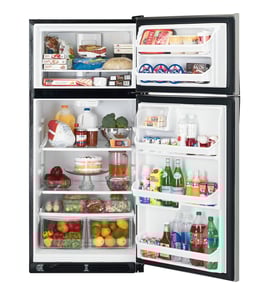



How big is the Kenmore refrigerator model 10673206300?
The Kenmore refrigerator model 10673206300 is a top-mount (top freezer) refrigerator; the exact exterior dimensions and total cubic-foot capacity vary by the specific 106-series configuration. For the most accurate size details for your unit, use the measurements and clearance guidance in the 10673206300 owner's manual.
When we talk about refrigerator size, we recommend checking these items:
- Overall width, height, and depth (depth can change if you include handles)
- Door swing clearance (especially next to a wall)
- Ventilation clearance around the cabinet
- Space behind the refrigerator for a water line if you have an ice maker
- Interior capacity (cubic feet) for fridge and freezer storage
The manual calls out clearances that help the refrigerator cool properly and allow the doors to open:
- 1/2 inch clearance on each side and at the top
- If installed next to a fixed wall, leave 2 inches minimum (depending on your model) so the door can swing open
- If equipped with an ice maker, allow extra space at the back for water line connections
| Clearance area | Typical minimum clearance |
|---|---|
| Sides | 1/2 in. |
| Top | 1/2 in. |
| Next to a fixed wall (door swing) | 2 in. (minimum, model-dependent) |
| Back (with ice maker) | Extra space for water line |
Getting the right measurements prevents door-swing problems, poor airflow (warm temperatures), and installation headaches, especially if you are replacing an older Kenmore unit or adding an ice maker water line.
Last updated: January 2026
What's the average lifespan of a Kenmore refrigerator?
Most Kenmore refrigerators last 12 to 15 years. For a Kenmore top-mount refrigerator like model 10673206300, consistent maintenance (especially cleaning and door-seal care) is what most often determines whether you reach the average or get many more years of service; see the 10673206300 owner's manual.
A refrigerator’s life is usually limited by wear on the sealed cooling system, airflow components, and door sealing.
- Maintenance level: clean, well-ventilated units last longer
- Condenser coil condition: dirty coils raise heat and compressor run time
- Door gasket seal: air leaks cause longer run times and frost issues
- Usage patterns: frequent door openings and warm kitchens add load
- Repairs over time: replacing a fan motor, switch, or gasket can extend service life
The manual for this model includes a dedicated “Refrigerator care” section with cleaning and light-bulb guidance. Use it as your baseline.
- Vacuum and brush condenser coils regularly (more often with pets)
- Keep food from blocking interior air vents
- Clean door gaskets and the surfaces they touch; if sticking, apply a thin coat of paraffin wax after cleaning (as described in the manual)
- Level the refrigerator so doors close fully and consistently
- Address unusual noises early (often tied to fan airflow)
| Item | Typical impact on lifespan | What to do |
|---|---|---|
| Dirty condenser coils | Shortens lifespan by overheating components | Clean coils on a schedule |
| Leaking/sticking door gasket | Causes long run times, frost, warm temps | Clean and condition gasket; replace if torn |
| Poor door alignment | Leads to air leaks and moisture | Level unit and align doors |
| Ignoring airflow issues | Can strain compressor and fans | Keep vents clear; troubleshoot noises |
A refrigerator that runs longer than necessary uses more energy and puts extra wear on the compressor and fans. Simple upkeep (cleaning, leveling, gasket care) is the most reliable way to protect cooling performance and extend the service life of your Kenmore refrigerator.
Last updated: January 2026
What is the upper part of a fridge called?
On the Kenmore 10673206300 top-mount refrigerator, the upper part is the freezer compartment. It’s the section designed to keep foods frozen, and it also supplies cold air that circulates to help cool the fresh food (refrigerator) section.
The freezer is more than “just the top box”; it’s a key part of the cooling system.
- Freezes and stores frozen foods long-term
- Sends cold air through vents to the refrigerator section
- Helps maintain stable temperatures when vents are kept clear
- Often houses the ice maker on models equipped for ice production
Your refrigerator depends on airflow between the freezer and fresh food sections. If packages block vents, temperatures and moisture control can suffer.
Quick checks we recommend:
- Keep freezer vents clear (avoid stacking boxes directly in front of vent openings)
- Do not overpack the freezer; leave space for air to move
- Make sure the freezer door closes fully and seals evenly
- Set controls to a mid-setting first, then fine-tune after temperatures stabilize
| Section | Typical purpose | Common items inside |
|---|---|---|
| Freezer compartment (upper) | Freezing and cold-air supply | Ice maker, frozen foods, vents |
| Fresh food compartment (lower) | Chilling (not freezing) | Shelves, crispers, meat drawer |
When you know the upper section is the freezer compartment, troubleshooting gets easier: many “refrigerator not cold enough” issues start with freezer airflow, vent blockage, or freezer temperature control.
For section names, features, and control guidance specific to this model, use the 10673206300 owner's manual.
Last updated: January 2026