Owner’s manual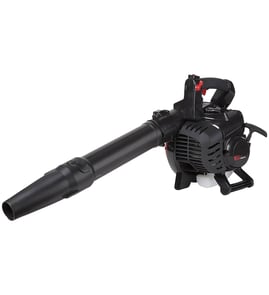





How much oil for 1 gallon of gas for a leaf blower?
For the Weed EATER TWISTER gas leaf blower, mix fuel at 40:1. That equals 3.2 fl oz of 2-cycle, air-cooled engine oil per 1 gallon of unleaded gasoline (or 2.6 fl oz per 1 U.S. quart). See the fuel-mixing section in the owner's manual.
Quick mix chart (40:1)
| Gasoline amount | 2-cycle oil to add |
|---|---|
| 1 gallon | 3.2 fl oz |
| 1/2 gallon | 1.6 fl oz |
| 1 quart | 0.8 fl oz |
| 1 liter | ~25 ml |
How we recommend mixing it
- Use a clean, approved fuel container.
- Add about half the gasoline first.
- Measure and pour in the 2-cycle oil.
- Add the remaining gasoline.
- Cap and shake to fully blend.
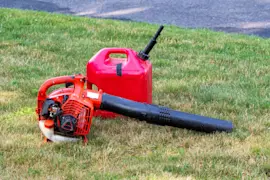
- Mix and pour fuel outdoors, away from sparks or flames.
Common mistakes that cause hard starting or poor power
- Mixing too lean (not enough oil); this can score the piston and cylinder.
- Mixing too rich (too much oil); this can foul the spark plug and smoke heavily.
- Using automotive 2-cycle oil instead of air-cooled 2-cycle oil.
- Letting mixed fuel sit too long; make smaller batches you will use soon.
Why it matters
A correct 40:1 mix lubricates the TWISTER engine while keeping combustion clean. That balance helps the carburetor meter fuel correctly and reduces plug fouling, overheating, and premature engine wear.
Last updated: February 2026
What is a twister?
On this Weed Eater TWISTER SB180 gas leaf blower, “TWISTER” is the model name used in the operator documentation, not a weather term. Use the owner's manual to confirm operating steps, fuel mix, and safety rules for the TWISTER/SB180/SB30 family.
What “TWISTER” means for this leaf blower
In the manual, TWISTER appears as the product line/model identification alongside SB180 and SB30. That matters because parts, tune-up procedures, and safety instructions are tied to the exact model family.
- It identifies the correct operator instructions for starting, stopping, and safe handling.
- It helps match replacement parts like fuel system and ignition components.
- It confirms the correct fuel requirements for the 2-cycle engine.
- It supports correct assembly steps for the blower tube and nozzle.
Key model-specific basics (from the manual)
The TWISTER SB180 uses a 2-cycle engine and requires mixed fuel.
| Item | What to use | Why it matters |
|---|---|---|
| Fuel type | Unleaded gasoline | Correct combustion and starting |
| Oil type | 2-cycle air-cooled engine oil | Prevents engine damage |
| Mix ratio | 40:1 (3.2 oz oil per 1 gallon gas) | Proper lubrication |
| Stop control | ON/STOP switch (press and hold to STOP) | Safe shutdown |
When “TWISTER” might mean something else
If you meant “TWISTER” as slang for a tornado, that is a separate definition and not related to this leaf blower. For parts and repair help, the model name is the important meaning here.
Why it matters
Using the correct model identification prevents wrong-part orders and reduces common 2-cycle issues like hard starting, stalling, and poor performance caused by incorrect fuel mix or setup.
Last updated: February 2026
Are gas leaf blowers being phased out?
Gas leaf blowers like the Weed Eater TWISTER are not universally being phased out, but many local governments are restricting or banning gas-powered blowers due to noise and emissions. The practical answer is: rules vary by city and state, so check your local ordinance before buying or using one.
What “phased out” usually means
Most changes happen at the local level (city or county), not as a nationwide ban. Restrictions typically focus on when and where you can operate a gas blower.
Common policy types include:
- Full bans on gas-powered leaf blowers (often with a future effective date)
- Seasonal restrictions (for example, no use during certain months)
- Hour-of-day limits (noise control)
- Decibel limits or muffler requirements
- Emissions-focused rules that encourage electric alternatives
How this affects owning and maintaining a TWISTER blower
Even where restrictions exist, many owners keep using gas blowers on private property where allowed. If you plan to keep your TWISTER running reliably, fuel system maintenance matters most.
Quick upkeep checklist:
- Mix fresh fuel correctly (this model uses a 2-cycle fuel mix at 40:1 per the owner's manual)
- Replace cracked or hardened fuel lines (a common cause of hard starting)
- Keep the air intake and tubes clear; restricted airflow reduces performance
- Store it dry; empty the tank before long storage
Parts that commonly solve “won’t start” or “won’t stay running”
If your blower is acting up, these model-compatible parts are often involved:
| Symptom | Most common cause | Part to check |
|---|---|---|
| Starts then dies | Fuel delivery issue | Poulan lawn & garden equipment fuel line, small 530069247 |
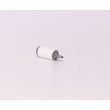
| No fuel to carb | Clogged in-tank filter | Fuel filter 530095646 |
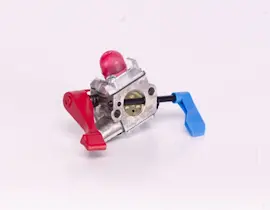
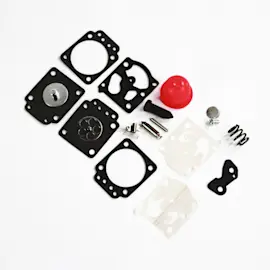
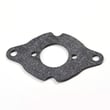
| Runs poorly after storage | Carb diaphragm/gasket stiff | Husqvarna lawn & garden equipment engine carburetor diaphragm and gasket kit 530069844 |
Why it matters
Local restrictions can change whether a gas blower is practical for your property, but safe operation stays the same everywhere. The TWISTER manual emphasizes outdoor use only (exhaust fumes are dangerous), keeping bystanders at least 30 feet away, and handling fuel carefully because it is highly flammable.
Last updated: February 2026
How long do gas leaf blowers last?
A gas leaf blower like the Weed Eater TWISTER typically lasts about 10 years with normal homeowner use and consistent maintenance. Fuel system care (fresh 40:1 mix, clean filter, good fuel lines) and avoiding overheating are the biggest factors in real-world lifespan; see the owner's manual for the exact maintenance and fuel-mix guidance for this unit.
Typical lifespan (what to expect)
Most handheld 2-cycle gas blowers fall into these ranges:
| Use pattern | Typical lifespan | What usually ends life first |
|---|---|---|
| Occasional homeowner use | 8 to 12 years | Fuel system issues, carburetor wear |
| Regular seasonal use | 6 to 10 years | Compression loss, crank seals, overheating |
| Heavy or frequent use | 3 to 7 years | Engine wear, vibration-related loosening, fuel problems |
Maintenance that extends life the most
These steps prevent the most common “won’t start” and “runs poorly” failures:
- Mix unleaded gasoline with 2-cycle oil at 40:1 (3.2 oz oil per 1 gallon gas) and use fresh fuel.
- Replace brittle or leaking fuel lines; the poulan lawn & garden equipment fuel line, small 530069247 is a common wear item.
- Replace a clogged in-tank filter; a restricted filter can mimic carburetor failure (see fuel filter 530095646).
- Keep the air filter clean and replace the spark plug at normal tune-up intervals.
- Make sure blower tubes and nozzles are assembled tightly before use to prevent vibration damage.
Quick “wear vs. repair” checklist
Use this to decide whether a repair is worth it:
- Worth repairing: hard starting after storage, fuel leaks, weak performance, intermittent shutoff.
- Often not worth it: very low compression, severe cylinder scoring, repeated overheating damage.
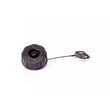
- Always fix immediately: fuel leaks, cracked fuel cap seal, or any condition that can cause a fire risk.
Why it matters
A 2-cycle blower’s lifespan is usually limited by fuel-related deterioration (old fuel, clogged filter, cracked lines) more than by the blower housing itself. Keeping the fuel system sealed and clean helps your TWISTER start easier, run cooler, and last longer.
Last updated: February 2026
What is the best gas-powered leaf blower on the market today?
There is no single “best” gas-powered leaf blower for everyone; the right choice depends on whether you need maximum airflow (CFM), higher air speed (MPH), lower weight, or vacuum capability. For your Weed EATER TWISTER blower, we focus on keeping it running safely and at full performance using the correct fuel mix and maintenance steps in the owner's manual.
How we recommend choosing the “best” gas blower
Use these criteria to match a blower to your yard size and how you work:
- CFM (air volume): better for moving lots of dry leaves across open areas
- MPH (air speed): better for wet leaves and debris stuck in corners
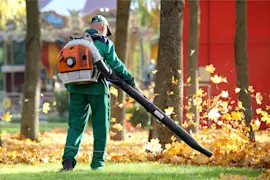
- Weight and harness: backpack units reduce arm fatigue for long sessions
- Engine size (cc): larger engines typically support higher output, but weigh more
- Blower-vac option: helpful if you prefer collecting debris instead of blowing it
Quick comparison: handheld vs backpack vs blower-vac
| Type | Best for | Typical tradeoffs |
|---|---|---|
| Handheld gas blower | Small to medium yards, quick cleanup | More arm fatigue over time |
| Backpack gas blower | Large yards, long run times | Higher cost, more storage space |
| Blower-vac combo | Mulching and bagging leaves | Heavier, more parts to maintain |
Why “best” also means “reliable and safe”
A blower that starts easily and runs consistently usually comes down to fuel quality, air flow, and basic wear items. For the TWISTER model, the manual emphasizes safe operation (keep bystanders 30 feet away, avoid unventilated areas) and proper setup (install tubes and keep vents clear). It also specifies a 40:1 fuel-to-oil mix for this 2-cycle engine.
If your TWISTER feels weak or hard to start
These fixes restore performance on many 2-cycle blowers:
- Mix fresh fuel at the correct ratio (40:1) and use an approved fuel container
- Inspect and replace cracked or soft fuel line such as the poulan lawn & garden equipment fuel line, small 530069247
- Replace a restricted in-tank filter such as the fuel filter 530095646
- Check that the blower tubes are installed and secure; clear the air intake and discharge
- If it will not shut off reliably, test the stop circuit and replace the lawn & garden equipment kill switch 530069572 if needed
Why it matters
Choosing the right blower specs saves time, but correct fuel mix and basic maintenance prevent hard starting, poor power, and premature engine wear.
Last updated: February 2026