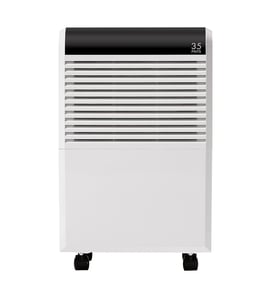




How long is the warranty on a GE dehumidifier?
GE dehumidifiers typically include a one-year limited warranty from the original purchase date, covering defects in materials or workmanship; if the unit fails for a covered reason, GE provides a replacement unit (new or refurbished).
What the one-year warranty usually covers
- Defects in materials or workmanship during normal household use
- A replacement unit rather than an in-home repair (common for portable dehumidifiers)
- Coverage that starts on the original purchase date (keep your receipt)
What is usually not covered
- Damage from misuse, abuse, or improper maintenance (for example, running with a clogged filter)
- Normal wear items and routine cleaning
- Issues caused by installation or drainage setup problems (bucket not seated, kinked drain hose)
Quick maintenance that helps prevent “warranty-like” problems
A lot of “not removing moisture” or “not running” complaints are caused by airflow restriction or dirty components. These steps help your ADEW30LNL1 run correctly:
- Clean or replace the air filter on schedule; use the dehumidifier air filter WK85X10011
- Keep the intake and exhaust grilles clear (at least several inches of clearance)
- Empty and reseat the bucket fully so the bucket switch can close
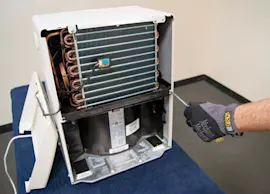
- Clean the coil and bucket area periodically to prevent odor and buildup
Common symptoms and likely causes
| Symptom | Common cause | What to check first |
|---|---|---|
| Runs but collects little water | Dirty filter, low room temperature, humidity set too high | Filter, room conditions, humidity setting |
| Shuts off quickly | Bucket full or not seated | Bucket position and float |
| Frost on coil | Cold room or restricted airflow | Filter and room temperature |
Why it matters
Knowing the typical one-year coverage helps you decide whether to pursue warranty replacement versus a DIY fix like cleaning the unit or replacing a clogged filter, which often restores performance quickly.
Last updated: February 2026
What is the life expectancy of a GE dehumidifier?
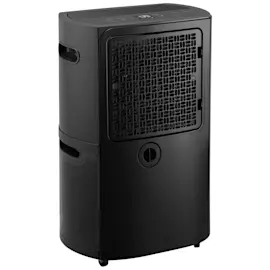
A GE dehumidifier like model ADEW30LNL1 typically lasts 5 to 9 years with normal seasonal use and basic upkeep; overall life expectancy for residential dehumidifiers is 3 to 10 years. Regular cleaning, good airflow, and correct room conditions help you reach the high end of that range.
What affects lifespan the most
- Run time and load: 24/7 operation in a very damp basement shortens life faster than occasional use.
- Airflow and cleanliness: A clogged filter makes the fan and compressor work harder.
- Room temperature: Cold spaces increase frost risk on the coil and stress the system.
- Drain setup: Poor drainage can cause overflow events and corrosion.
- Storage habits: Off-season storage with water left in the bucket can lead to odors and internal buildup.
Maintenance that extends life (simple, high impact)
- Clean or replace the air filter on schedule; use the exact dehumidifier air filter WK85X10011 when it fits your unit.
- Keep the intake and exhaust grilles clear (leave several inches of space around the cabinet).
- Empty and rinse the bucket regularly; wipe the bucket area dry.
- Periodically clean the coil and interior surfaces; follow how to clean a dehumidifier.
- If you use a hose drain, keep the hose sloped downward with no kinks.
Quick “life expectancy” guide
| Usage pattern | Typical lifespan | What usually wears first |
|---|---|---|
| Light (seasonal, a few hours/day) | 7 to 10 years | Fan motor, sensors |
| Moderate (daily in humid months) | 5 to 9 years | Fan motor, control board |
| Heavy (near-continuous, very damp area) | 3 to 5 years | Compressor, sealed system |
Why it matters
A dehumidifier that is nearing end-of-life often runs longer but removes less moisture, which raises energy use and can lead to comfort and humidity problems. If performance drops, use dehumidifier doesn't remove moisture to pinpoint whether it is airflow, drainage, or a control issue before replacing major parts.
Last updated: February 2026
Can a GE dehumidifier be repaired?
Yes, a GE dehumidifier like model ADEW30LNL1 can usually be repaired when the problem is a maintenance issue (dirty filter, blocked airflow, drain setup) or a replaceable component. We start by checking airflow, drainage, and controls, then replace the failed part if needed.
What we check first (fast, common fixes)
- Clean or replace the air filter; restricted airflow can cause poor moisture removal and coil icing
- Confirm the bucket is seated correctly and the full-bucket switch is engaging
- Verify the humidity setting is below room humidity (try 35% to 45%)
- Check the room temperature; many units struggle below about 65°F
- Inspect the drain hose connection (if using continuous drain) for kinks or clogs
Parts that are commonly serviceable
If your ADEW30LNL1 is running but not performing well, these are typical repair paths:
| Symptom | Likely cause | Typical fix |
|---|---|---|
| Runs, weak water collection | Airflow restriction | Replace/clean dehumidifier air filter WK85X10011 |
| Shuts off early, “full” behavior | Bucket switch or seating issue | Reseat bucket; inspect switch area |
| Frost on coil | Low airflow or low room temp | Filter service; warm room; allow defrost |
| Not draining with hose | Clogged/kinked hose | Clear hose; confirm downhill routing |
Why it matters
A dehumidifier is a sealed refrigeration system plus airflow and controls. Most “it stopped working” complaints are actually airflow, drainage, or sensor/control issues that are repairable without replacing the whole unit.
Helpful DIY repair and troubleshooting resources
- How to clean a dehumidifier
- Dehumidifier doesn't remove moisture
- Dehumidifier not running
- Dehumidifier not draining
- How to replace a dehumidifier sensor assembly
Last updated: February 2026
Why is the GE dehumidifier not working?
If your GE ADEW30LNL1 dehumidifier is not working, the most common causes are a full bucket or float switch issue, a dirty air filter restricting airflow, or a control/sensor problem that prevents the compressor from running. Start with basic power, bucket, and airflow checks before replacing parts.
Quick checks (most fixes)
- Confirm the unit is plugged in and the outlet has power (test with a lamp).
- Empty and reseat the bucket fully; a misseated bucket can keep the unit off.
- Check the bucket float moves freely and is not stuck by debris.
- Clean or replace the air filter; restricted airflow can stop moisture removal and trigger protection shutoffs.
- Make sure the room is warm enough; many dehumidifiers struggle below about 65°F and may pause or frost.
- Verify the humidity setting is below the current room humidity (set lower to force a run).
Airflow and filter: the most common “not working” cause
A clogged filter can make the unit seem dead (fan weak, little water collected, coil icing). For this model, replacing the dehumidifier air filter WK85X10011 restores airflow and helps the evaporator coil operate normally.
| What you notice | Likely issue | What we recommend |
|---|---|---|
| Fan runs, little or no water | Dirty filter or dirty coil | Replace filter; clean coil and intake/exhaust |
| Unit shuts off quickly | Bucket/float not made | Reseat bucket; free the float |
| Runs but humidity stays high | Sensor/control issue or poor airflow | Improve airflow; check sensor symptoms |
Drain and water collection problems that look like “not working”
If the unit runs but does not collect water, focus on drainage and operating conditions.
- Check for kinks/clogs if using a drain hose.
- Keep the unit level so water flows to the bucket.
- Clean the bucket area so the float switch reads correctly.
For step-by-step symptom help, use dehumidifier doesn't remove moisture and dehumidifier not running.
Why it matters
Dehumidifiers rely on steady airflow across the coils and accurate bucket/float sensing. When airflow is restricted or the bucket safety circuit is open, the compressor may not run, so humidity will not drop and the unit can appear “not working.”
Last updated: February 2026
Does GE dehumidifier have a filter?
Yes. The GE ADEW30LNL1 dehumidifier uses an air filter to help keep dust and lint from coating the evaporator coil and restricting airflow. If your unit is running but not removing moisture well, checking and cleaning the filter is one of the first steps.
Where the filter is and what it does
On most GE room dehumidifiers (including ADEW30LNL1), the filter sits behind an intake grille so air passes through it before reaching the coil.
- Traps dust, pet hair, and lint
- Helps maintain airflow across the coil
- Reduces frost buildup risk caused by restricted airflow
- Helps the dehumidifier remove moisture more efficiently
- Can reduce noise caused by airflow strain
Cleaning and replacement basics
We recommend inspecting the filter regularly and cleaning it whenever it looks dusty.
- Turn the dehumidifier off and unplug it
- Remove the bucket (if it blocks access)
- Slide or lift the filter out of the intake area
- Vacuum the filter gently; if washable, rinse and let it dry completely
- Reinstall the filter and confirm it seats flat with no gaps
If the filter is torn, warped, or won’t come clean, replace it with the correct part for this model: dehumidifier air filter WK85X10011.
Quick troubleshooting guide (filter-related symptoms)
| Symptom | What the filter can cause | What to do |
|---|---|---|
| Weak airflow | Clogged filter | Clean or replace filter |
| Frost on coil | Low airflow over coil | Clean filter; verify room temp is above ~65°F |
| Poor moisture removal | Reduced airflow and heat exchange | Clean filter; check humidity setting |
| Louder operation | Fan working harder | Clean/replace filter |
Why it matters
A clean filter protects the coil and keeps airflow steady; that directly affects how much water the ADEW30LNL1 can pull from the air and how reliably it runs.
For more maintenance steps beyond the filter, use our guide: how to clean a dehumidifier.
Last updated: February 2026