Owner’s manual
 Error Codes


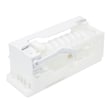
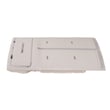
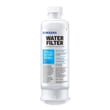
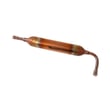
What's the average lifespan of a Samsung fridge?
A Samsung refrigerator like model RF28HFEDTSR typically lasts 10 to 15 years. With consistent maintenance (clean condenser coils, good door sealing, stable temperatures), it’s common to reach the high end of that range before major repairs become more likely.
Most modern refrigerators fall into a similar life range; what changes is how soon wear items (fans, sensors, gaskets) need attention.
- Average lifespan: 10 to 15 years
- Common mid-life repairs (often 5 to 10 years): ice maker issues, fan noise, temperature swings
- Later-life repairs (often 10+ years): sealed system or compressor-related problems
- Best practice: follow the cleaning and care schedule in the RF28HFEDTSR owner's manual
These steps help the compressor run cooler and reduce frost and airflow problems.
- Vacuum and brush the condenser area every 6 to 12 months
- Keep door gaskets clean and check for gaps or tearing
- Avoid overpacking; leave space for airflow at vents
- Set stable temps (typical targets: 37°F fresh food, 0°F freezer)
- Replace failed airflow parts promptly if you notice warming or loud fan noise
| Symptom | Common cause | Example part for this model |
|---|---|---|
| Fridge warm, freezer OK | Fresh food airflow restriction or fan issue | Samsung refrigerator fresh food evaporator cover assembly DA97-12608A |
| Temps fluctuate | Sensor reading drifting | Refrigerator temperature sensor DA32-10104N |
| Door won’t seal, moisture/frost | Worn or warped gasket | Refrigerator door gasket DA97-05253W |
Once a refrigerator gets past the 10-year mark, small airflow or sealing problems can force longer run times. That extra strain shortens compressor life and increases the chance of cooling failures.
Last updated: January 2026
What is the most common problem with Samsung refrigerators?
For Samsung refrigerators like model RF28HFEDTSR, the most common customer-reported problems are ice maker issues (not making ice, freezing up, leaking) and cooling/airflow problems (warm fresh food section, frost buildup, noisy fans). These symptoms often trace back to airflow restrictions, ice buildup, or fan and sensor problems; see the RF28HFEDTSR owner's manual for model-specific checks.
- Ice maker stops producing ice or makes small/hollow cubes
- Ice maker compartment freezes up or the ice bucket clumps
- Water leaking in or around the ice maker/dispenser area
- Fresh food section warms up while freezer seems normal
- Frost or ice buildup on the evaporator cover, vents, or back wall
- Unusual fan noise (rattling, buzzing, or intermittent whirring)
Many “common problems” are really a few root causes showing up in different ways.
| Symptom | Likely system involved | What to check first |
|---|---|---|
| No ice or slow ice | Water supply, ice maker, fill tube | Confirm water flow and look for a frozen fill tube |
| Ice maker freezing up | Air leaks, ice room airflow | Check door sealing and ice buildup around the ice room |
| Warm refrigerator section | Evaporator airflow/defrost | Look for blocked vents and frost buildup |
| Fan noise | Evaporator fan or condenser fan | Listen for rubbing from ice or a failing motor |
Model-relevant parts that commonly relate to these symptoms include the refrigerator temperature sensor DA32-10104N and the refrigerator power control board DA92-00486A.
- Verify temperature settings; typical targets are 37°F for fresh food and 0°F for freezer.
- Make sure vents are not blocked by food packages.
- Inspect door gaskets for gaps, tears, or areas not sealing.
- If you suspect ice buildup, do a controlled defrost (unplug and leave doors open) and then monitor performance.
- If the unit is noisy, listen for whether the sound is from the freezer (evaporator fan area) or the back/bottom (condenser fan area).
Ice maker and airflow problems can lead to temperature swings, repeated frost buildup, and longer compressor run times. Fixing the underlying airflow, sealing, or sensor issue helps protect food quality and keeps the refrigerator running efficiently.
For step-by-step ice maker diagnosis, use why your Samsung fridge stopped making ice and how to fix it.
Last updated: January 2026
What is the difference between force defrost RD and FD?
On the Samsung RF28HFEDTSR refrigerator, RD (refrigerator defrost) runs a defrost cycle aimed at the fresh food (refrigerator) evaporator, while FD (full or forced defrost) runs a broader defrost that targets multiple defrost loads so you can clear heavier ice buildup affecting cooling and ice production. See the defrost and diagnostics details in the RF28HFEDTSR owner's manual.
In practical troubleshooting terms, these modes are used to melt ice off different areas:
- RD: Focuses on the refrigerator compartment evaporator (fresh food cooling coil behind the rear panel).
- FD: Runs a more complete defrost that can help when ice is affecting the freezer evaporator area and/or ice maker area.
- Both modes are service-style functions; they are not everyday settings.
Use the mode that matches what is icing up or not working:
- Choose RD when the fresh food section is warm but the freezer seems closer to normal.
- Choose FD when you have heavy frost/ice, airflow is blocked, or the ice maker stops producing.
- If you see recurring icing after defrosting, check for air leaks, door sealing issues, or a drain problem.
| Mode | Primary target | Best for | Typical clue |
|---|---|---|---|
| RD | Fresh food evaporator | Fridge section warming | Frost behind fridge rear panel |
| FD | Multiple defrost loads | Heavy icing, ice maker issues | Ice buildup affecting airflow/ice |
Picking RD vs FD helps you defrost the right area faster. If you only run RD when the freezer evaporator or ice maker area is iced over, cooling and ice production can stay restricted even after the cycle.
If defrosting helps temporarily but the problem returns, these model-matched parts are commonly involved:
- Refrigerator temperature sensing: refrigerator temperature sensor DA32-10104N
- Ice maker fill tube icing: Samsung refrigerator ice maker fill tube and heater DA97-00209Z
- Airflow and frost pattern issues: Samsung refrigerator fresh food evaporator cover assembly DA97-12608A
For step-by-step ice maker troubleshooting, we also use the guidance in why your Samsung fridge stopped making ice and how to fix it.
Last updated: January 2026