 Owner’s manual




What is the most common problem with a GE dryer?
The most common GE dryer problem is long dry times caused by restricted airflow (lint buildup or a partially clogged exhaust duct). On the GE GFD85ESSN0WW, keeping the lint screen in place and cleaning the venting yearly prevents many “no heat,” overheating, and slow-dry complaints; see the GFD85ESSN0WW owner's manual.
- Clothes take too long to dry: obstructed or kinked ducting, outside damper not opening, overloaded drum
- Dryer tumbles but doesn’t heat: one house breaker tripped (electric dryers often use 2), heat setting selection, airflow restriction
- Lint on clothes: lint screen not cleaned before each load, overloading, poor sorting
- Shaking or noise: dryer not level, normal vibration, worn moving parts
- Clean the lint screen before every load and never run the dryer without it.
- Inspect the vent path for crushing, kinks, or heavy lint; confirm the outside damper moves freely.
- Clean the exhaust ducting at least once a year (more often with pets or heavy use).
- For “no heat,” check that both breakers/fuses for the dryer are on and not tripped.
- Avoid overloading; large, heavy fabrics hold more moisture and take longer.
| What you notice | Most likely cause | First thing to do |
|---|---|---|
| Long dry times | Restricted exhaust airflow | Clean lint screen; inspect and clean venting |
| Tumbles, no heat | Power supply issue or airflow restriction | Check both breakers; verify venting |
| Lint on clothes | Lint screen full or sorting/overload | Clean screen; reduce load size |
| Won’t start when door closes | Door switch/door latch issue | Check door closure; test switch |
If troubleshooting points to a failed component, these are common wear items for this model:
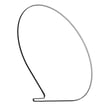
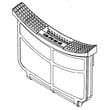
- Dryer lint screen WE16X32537 (airflow and lint control)
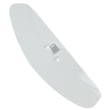
- Door switch WE04X34281 (start and door-closed sensing)
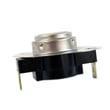
- Dryer blower thermostat WE04X29714 (temperature control and safety)
Airflow problems do more than slow drying; they can cause overheating, nuisance shutdowns, and repeated thermostat or heater issues. Keeping venting clear protects the heater system and helps the dryer run efficiently.
Last updated: January 2026
What is the lifespan of a GE dryer?
A GE dryer like model GFD85ESSN0WW typically lasts 10 to 13 years with normal household use. Consistent airflow maintenance (lint screen and venting) and avoiding overloads are the biggest factors that keep the motor, heater, and drum support parts running longer.
- Airflow restrictions: clogged lint screen, blocked vent, crushed duct
- Load habits: frequent overloading strains the drive system and drum supports
- Heat stress: long dry times and overheating wear out thermostats and the heater
- Maintenance schedule: annual duct cleaning helps prevent long cycles
- Environment: humid laundry areas can increase corrosion and electrical issues
GE’s care guidance emphasizes keeping the filter in place and cleaning the exhaust ducting regularly. Use these habits to get the longest service life:
- Clean the lint screen before every load and never run without it (replace a damaged screen with dryer lint screen WE16X32537)
- Inspect the vent path for lint buildup and kinks
- Clean the interior and exhaust duct at least once a year (qualified service recommended)
- Keep loads balanced; dry heavy items (towels, jeans) separately when possible
- Wipe the cabinet and control area with a damp cloth; avoid harsh cleaners
| Symptom | Common wear area | What it can lead to |
|---|---|---|
| Squealing or thumping | Idler, drum supports | Belt wear, poor tumbling |
| Long dry times | Lint screen, venting, thermostats | Overheating, heater stress |
| No heat | Heater circuit, thermostats | Cold air only |
A dryer that takes longer to dry usually runs hotter and longer than it should, which shortens the life of key components like the heater, thermostats, and drive system. Good airflow maintenance is the simplest way to protect the dryer and lower energy use.
For model-specific care steps and cleaning intervals, follow the GFD85ESSN0WW owner’s manual.
Last updated: January 2026
What brand of dryer has the least problems?
No dryer brand is problem-free, but for the fewest service issues over time, we typically see the best results from brands that prioritize simpler designs and proven components. For shoppers comparing options alongside a GE dryer like model GFD85ESSN0WW, Speed Queen is widely known for durability, while Whirlpool, LG, and GE are commonly rated as reliable choices depending on features and ease of repair.
Reliability depends on how you define problems: fewer breakdowns, fewer error codes, or lower repair cost.
- Fewer breakdowns: simpler controls, fewer “smart” features
- Lower repair cost: common parts, easier access, strong parts availability
- Fewer drying complaints: strong airflow, clean venting, clean lint filtration
- Fewer nuisance errors: stable power supply, good door switch and control operation
| Brand focus | Typical strengths | Typical tradeoffs |
|---|---|---|
| Speed Queen | Heavy-duty build, long service life | Fewer feature options, higher upfront cost |
| Whirlpool | Solid reliability, widely serviceable | Feature set varies by model |
| LG | Strong performance and features | Repairs can be more complex on feature-heavy models |
| GE | Good overall reliability, strong model support | Reliability varies by series and feature level |
Even the best brand will have problems if airflow and maintenance are neglected. GE’s guidance for dryers like GFD85ESSN0WW is to clean the lint filter before each use and keep venting clear; restricted ducting is a top cause of long dry times and overheating symptoms.
- Clean the lint filter every load; wash it if you notice waxy buildup from dryer sheets
- Inspect and clean the exhaust duct and outside damper so it opens easily
- Avoid overloading; large, heavy fabrics take longer and stress the system
- Keep the dryer level to reduce shaking and noise
- If the dryer tumbles but does not heat, check both breakers or fuses (electric setups often use two)
If you are troubleshooting performance on GE GFD85ESSN0WW, these parts often relate to common complaints:
- Airflow and lint capture: dryer lint screen WE16X32537
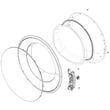
- No-heat or overheating protection: dryer heater assembly WE11X29790, dryer outlet backup thermostat WE04X10190
- No-start or intermittent running: door switch WE04X34281
Choosing a reliable brand helps, but maintenance and venting have the biggest day-to-day impact on drying time, energy use, and nuisance shutdowns. For model-specific operating and care steps, use the GFD85ESSN0WW owner’s manual.
Last updated: January 2026





