Owner’s manual




Is it cheaper to repair or replace a garage door opener?
For the Craftsman 1395398511 garage door opener, it’s usually cheaper to repair when the problem is limited to common wear items or adjustments (safety sensors, wiring, force or travel settings). Replacement makes more sense when the opener is past its typical 10-12 year lifespan or when repair costs start approaching the price of a new unit.
Quick decision guide (repair vs replace)
- Repair when the door won’t close due to sensor alignment, minor wiring issues, or settings that need adjustment.
- Repair when the opener runs but the door travel is off and can be corrected with force or travel adjustments.
- Replace when the opener has repeated breakdowns, loud operation that persists after basic maintenance, or major internal failures.
- Replace when you want newer convenience and safety features (for example, modern remote/keypad options).
- Either way, confirm the door is mechanically sound and balanced before spending money on the opener.
Typical cost comparison
Costs vary by region and door size, but these ranges are common for garage door opener service.
| Option | Typical cost range | Best for |
|---|---|---|
| Minor repair/adjustment | $100-$250 | Sensors, wiring, force/travel settings |
| Moderate repair | $200-$500 | Electrical controls, drive components, labor-heavy fixes |
| Replace opener (unit + install) | $300-$1,000+ | Older openers, repeated failures, feature upgrades |
Model-specific checks that affect the decision
These items from the Craftsman 1395398511 documentation often determine whether a “repair” is really just an adjustment:
- Safety reversal performance: The door should reverse when it contacts a 1-1/2 inch object (or a 2x4 laid flat). Use the procedure in the owner's manual.
- Door and floor gap: The gap at the bottom of the door should not exceed 1/4 inch (6 mm) or the safety reversal system may not work properly.
- Sensor mounting: Some garages need extension brackets or wood blocks for proper sensor mounting; alternate floor mounting can require extra hardware.
Why it matters
A garage door opener that is out of adjustment can look “broken” when it’s actually protecting you with its safety reversal system. Fixing alignment, travel, and force issues can restore reliable operation and help prevent damage to the door, opener rail, and safety sensors.
For repair help and troubleshooting steps, use Craftsman error codes. For parts and model-based lookup beyond what’s listed for this opener, search by model number on Sears PartsDirect.
Last updated: February 2026
Where can I buy Craftsman garage door opener parts?
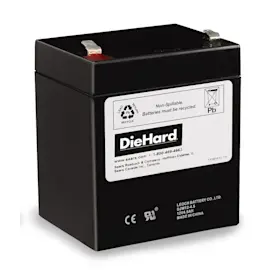
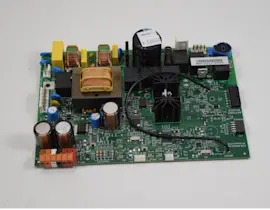
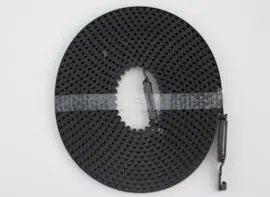
You can buy replacement parts for your Craftsman garage door opener model 1395398511 from the parts list for this model, and you can also search by model number on Sears PartsDirect to find additional Craftsman garage door opener parts and diagrams.
What to have ready before you order
Having the right details helps you match the correct replacement part the first time.
- Full model number: 1395398511 (from the opener motor unit label)
- The part name you need (example: safety reversing sensor, door control, rail section)
- Symptoms (example: door will not close, lights blink, remote will not program)
- Any diagnostic flashes or error codes (if your unit displays them)
- Your opener type details (chain/belt drive, accessories installed)
Use the manual to identify the correct part
Your 1395398511 owner's manual shows the carton inventory and common components (such as the safety reversing sensors, door bracket, header bracket, and door control). Using the manual helps you confirm what the part looks like and where it installs before ordering.
Common parts customers look for (examples)
| Symptom | Part area to check | What you are matching |
|---|---|---|
| Door will not close | Safety reversing sensors | Sensor alignment, brackets, wiring |
| Wall button does not work | Door control / wall control | Console style and wiring |
| Door hits rail or binds | Rail/header bracket area | Bracket position and hardware |
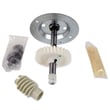
| Opener runs but door does not move | Drive system | Chain/belt condition, internal gears |
Why it matters
Garage door opener parts are model-specific. Ordering by Craftsman 1395398511 helps ensure the replacement part fits your rail system, safety sensor setup, and control wiring.
Helpful DIY resources
If you are troubleshooting before ordering parts, we use these guides often:
Last updated: February 2026
What is the life expectancy of a Craftsman garage door opener?
A Craftsman garage door opener typically lasts 10 to 15 years. For Craftsman model 1395398511, lifespan depends most on door balance, correct force and travel settings, and routine maintenance; a poorly balanced door and neglected hardware shorten opener life quickly (see the safety and maintenance sections in the 1395398511 owner's manual).
Typical lifespan and what changes it
Most openers reach the 10 to 15 year range when the door system is in good shape and the opener is not straining.
- High-cycle use (many open/close cycles per day) wears gears, motor, and rail faster
- An unbalanced door forces the opener to work harder every cycle
- Misaligned safety sensors can cause repeated reversals and extra wear
- Loose mounting or rail/header issues can create vibration and premature wear
- Skipped maintenance (dry rollers, tight hinges, dirty photo eyes) increases load
Quick checks that extend opener life
Before you assume the opener is “worn out,” we recommend these practical checks.
- Test door balance (manual test): With the door closed, pull the emergency release and lift the door by hand. A properly balanced door moves smoothly and stays near mid-travel.
- Confirm safe reversing: The door should reverse when it contacts a 1-1/2 inch object (a 2x4 laid flat is commonly used). This protects people and reduces strain from incorrect force settings.
- Inspect rail and header alignment: If the door hits the rail during manual operation, the header bracket position typically needs correction.
When repair vs replacement makes sense
Use this as a practical guide for Craftsman 1395398511-STYLE openers.
| What you notice | Most common cause | Best next step |
|---|---|---|
| Door reverses or stops often | Sensor alignment, force/travel out of adjustment | Verify sensors and adjust force/travel per manual |
| Loud grinding or slipping | Worn drive gear/worm gear, loose chain/belt | Inspect drive components; repair if the door is balanced |
| Door is heavy by hand | Springs/cables/door hardware issue | Have a trained door systems technician service the door hardware |
Why it matters
A garage door opener is designed to guide and control a properly balanced door, not to “lift” a failing door system. Keeping the door balanced and the safety features working reduces motor load, improves reliability, and helps you reach the full 10 to 15 year life.
If you need to look up diagrams or replacement items for model 1395398511, start with the parts list for this model, or search by model number on Sears PartsDirect.
Last updated: February 2026
What are the common problems with Craftsman garage door openers?
Common problems on the Craftsman 1395398511 garage door opener are safety sensor faults that stop the door from closing, remote or wall-control lock/programming issues, and travel or force settings that need adjustment after normal use or weather changes. Use the owner's manual to match symptoms to diagnostic LED flashes.
Most common symptoms and likely causes
- Door will not close and the opener lights blink: safety reversing sensors are blocked, misaligned, or not wired correctly.
- Remote will not run the opener: lock mode is on at the wall control, the remote needs programming, or a diagnostic code is present.
- Door reverses after touching the floor: down travel limit or close force needs adjustment.
- Sensor LEDs are off, dim, or flashing: sensor alignment, polarity, or a pinched/broken wire.
- Motor hums briefly: trolley position or drive tension issue.
Quick checks we recommend first
- Clear the sensor beam path and clean both sensor lenses.
- Confirm both sensor indicator lights are steady.
- Try closing with the wall control; if it closes only from the wall control, the sensors still are not aligned.
- Count motor unit diagnostic LED flashes and compare to the chart.
- Reprogram remotes and turn off lock mode if enabled.
Diagnostic clues at a glance
| What you notice | Most likely cause | Next step |
|---|---|---|
| Door stops quickly, lights blink | Sensor beam interrupted | Align sensors, remove obstruction |
| Sensor LEDs flicker or go out | Wiring or alignment | Inspect wire routing and connections |
| Door reverses at the floor | Travel/force setting | Adjust limits/force, then retest |
Why it matters
These issues are common because the opener is designed to refuse closing when the safety system is not satisfied; correct sensor alignment and proper force settings protect the door system.
For code-based troubleshooting, use our Craftsman error codes resource. For replacement parts by model number, search Sears PartsDirect.
Last updated: February 2026