Installation guide
 Owner’s manual


Is a 7.4 cu ft dryer big?
Yes. A 7.4 cu ft dryer is a large-capacity size, and it gives your GE GFDN110GL0WW gas dryer enough room to tumble bulky loads (like comforters) more freely, which helps drying performance and can reduce the number of loads you run. See the capacity and loading guidance in the GFDN110GL0WW owner's manual.
What “large capacity” means in real use
A 7.4 cu ft drum is designed for bigger households and bulky items. You will notice the biggest benefit when you dry:
- King or queen comforters and thick blankets
- Large towel loads
- Mixed loads with jeans, hoodies, and sweatshirts
- Bedding that needs space to tumble (not pack)
- Back-to-back laundry days where fewer cycles matter
How to load a large dryer for best results
Even with a large drum, overloading is the fastest way to get long dry times and damp spots.
- Fill the drum loosely; items should lift and fall, not stay packed
- Dry bulky items with 1 to 2 similar pieces (not a full mixed load)
- Use a timed cycle for very heavy items if sensor cycles end too soon
- Clean the lint filter before every load (airflow drives drying)
- Keep the exhaust path short and unkinked; crushed ducting slows drying
Quick comparison: common dryer capacities
| Capacity range | Typical label | Best for |
|---|---|---|
| 5.0 to 6.0 cu ft | Standard | Singles, couples, smaller loads |
| 6.1 to 7.0 cu ft | Large | Family loads, towels, mixed laundry |
| 7.1 cu ft and up | Large to extra-large | Bulky items, fewer loads, big households |
Why it matters
Capacity is not just about “how much fits”; it affects airflow and tumbling. When clothes have room to move, warm air circulates better and moisture escapes faster. Proper venting also matters; we recommend following the ducting requirements in the installation guide to avoid slow drying and excess heat.
Parts that commonly affect drying performance
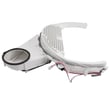
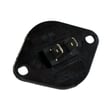
If drying seems weak or inconsistent, these model-matched parts are often involved in airflow or heat control:
For ordering, use the parts list for your model, or search by model number on Sears PartsDirect.
Last updated: February 2026
What is the most common problem with a GE dryer?
The most common problem we see with a GE dryer like model GFDN110GL0WW is no heat or poor drying, and the most common root cause is restricted airflow from incorrect or obstructed venting. A close second is the dryer not starting, often tied to a door-latch or safety condition.
Most common symptoms and what they usually mean
- Runs but doesn’t heat (gas dryer): ignition or safety heat circuit issue; also check airflow first
- Takes too long to dry: vent duct kinked, crushed, too long, or clogged; outside damper stuck
- Stops mid-cycle or feels too hot: overheating from restricted airflow; high-limit safety may trip
- Won’t start: door not fully latched, cycle selection conflict, or power supply issue
- Shakes or makes noise: dryer not level; normal vibration can increase on uneven floors
Quick checks first (fastest fixes)
- Clean the lint filter before every load.
- Check airflow: strong air at the outside vent hood; damper should open easily.
- Inspect the vent path: remove lint buildup; eliminate kinks and crushed flex duct.
- Avoid overloading: large, heavy loads dry slower and can trigger overheating.
- Confirm settings: some options and dryness levels are incompatible with certain cycles (the dryer may beep).
Common causes vs. what to do
| Problem you notice | Most common cause | What to do next |
|---|---|---|
| Long dry times | Obstructed or improper ducting | Verify venting setup in the installation guide and clean the duct |
| Tumbles, no heat | Airflow restriction or a failed heat-safety/ignition component | Fix venting first; then diagnose ignition and thermostats |
| Noise or vibration | Dryer not level | Adjust leveling legs and confirm stable footing |
| Won’t start | Door not fully latched or control selection conflict | Re-close door firmly; reselect a compatible cycle/option |
Parts that commonly relate to these issues on GFDN110GL0WW
If airflow is good and the problem persists, these model-matched parts are often involved in heat and drying complaints:
- Igniter WE04X25996 (gas ignition)
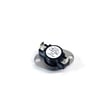
- Dryer high-limit thermostat WE4M137 (overheat safety)
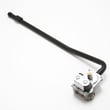
- Inlet control WE4M398 (temperature sensing/control)
Why it matters
Airflow problems do more than slow drying; they can cause overheating, nuisance shutdowns, and repeated failure of safety components. Getting the venting right is the best first step for performance and reliability.
For diagrams, venting requirements, and troubleshooting charts specific to your dryer, use the owner's manual. For replacement parts for GFDN110GL0WW, order from the parts list for this model or search by model on Sears PartsDirect.
Last updated: February 2026
What is the most dependable gas dryer?
The most dependable gas dryer is the one that matches your laundry needs and can be installed correctly with strong parts support. For most homes, a simple, well-vented model from a major brand (including GE) delivers the best long-term reliability; proper venting and yearly cleaning matter as much as the name on the door.
What “dependable” means for gas dryers
Dependability is a mix of fewer breakdowns, consistent drying performance, and easy serviceability (parts availability and straightforward repairs).
- Consistent heat and airflow (shorter dry times, less strain on components)
- Solid drum support parts (glides, bearings, idler system)
- Reliable ignition and gas valve operation
- Good control system stability (fewer nuisance shutdowns)
- Proper installation and venting to the outdoors
What we recommend focusing on when choosing a gas dryer
For a GE gas dryer like model GFDN110GL0WW, correct installation and venting are core to dependable operation. The installation guidance for this model calls for exhausting the dryer to the outdoors and using 4-inch rigid metal ducting (flexible plastic ducting is not recommended). Use the installation guide to confirm your venting method, duct material, and gas hookup basics.
Quick checklist before you buy (or when replacing a dryer)
| What to check | What “good” looks like | Why it affects reliability |
|---|---|---|
| Venting | Short, straight run; 4-inch metal duct | Reduces overheating and long dry times |
| Maintenance | Lint screen every load; duct cleaned yearly | Prevents airflow restriction and heat stress |
| Parts support | Common wear parts readily available | Faster, cheaper repairs |
| Controls | Simple cycles you will actually use | Less complexity, fewer issues |
Parts that commonly affect long-term reliability
Even the most dependable gas dryer will eventually need wear parts. On this model, common service items include drum support and airflow components.
- Drum support wear (squeaks, thumps): dryer drum glide bearing (green) WE03X37317, dryer drum front glide pad WE03X37318
- Airflow problems (poor drying, overheating): dryer blower wheel WE16X20393
- No-heat ignition issues: igniter WE04X25996
Why it matters
Most “unreliable dryer” complaints trace back to restricted venting, neglected lint buildup, or normal wear parts that were ignored too long. Keeping airflow strong and replacing drum support parts early prevents bigger failures and keeps drying times consistent.
Where to shop for parts
We list replacement parts for GE GFDN110GL0WW on this page; for broader model-based searching and ordering, use Sears PartsDirect.
Last updated: February 2026
How long do gas dryers last?
Most gas dryers last 10 to 13 years. For a GE gas dryer like model GFDN110GL0WW, consistent venting and lint maintenance, plus replacing wear parts when symptoms show up (noise, poor airflow, overheating), is what gets you to the full lifespan.
Typical lifespan and what changes it
A gas dryer’s life is mainly driven by heat stress, airflow restriction, and drum support wear.
- Clean the lint screen every load; the manual notes the “CLEAN LINT FILTER” message can stay on until you press Start.
- Keep the exhaust duct and the internal duct connection cleaned at least yearly (the manual recommends a qualified technician).
- Avoid chronic overloading; it accelerates drum glide and bearing wear.
- Fix airflow problems early; restricted venting raises temperatures and shortens component life.
- Address new noises quickly; they often point to glides, bearings, or the blower wheel.
Maintenance schedule we recommend
Use this as a simple baseline for GFDN110GL0WW.
| Task | How often | Why it matters |
|---|---|---|
| Clean lint screen | Every load | Maintains airflow and drying performance |
| Check vent hood flap outside | Monthly | Confirms the dryer is actually exhausting |
| Deep-clean vent line | Every 6 to 12 months | Prevents long dry times and overheating |
| Clean interior and exhaust connection | Yearly | Reduces lint buildup inside the cabinet |
For model-specific care and safety notes (including gas ignition information), follow the GFDN110GL0WW owner's manual.
Parts that commonly affect “end of life” symptoms
These parts do not set the lifespan by themselves, but they are common reasons a dryer gets noisy, stops heating, or dries poorly.
- Noisy drum or scraping: dryer drum glide bearing (green) WE03X37317, dryer drum front glide pad WE03X37318
- Poor airflow or rumbling: dryer blower wheel WE16X20393
- No heat or intermittent heat (gas models): igniter WE04X25996, dryer high-limit thermostat WE4M137
You can order replacement parts for your GE GFDN110GL0WW from the parts list for this model, or search by model number on Sears PartsDirect.
Why it matters
A gas dryer can tumble normally even when heating or airflow is failing, so problems can go unnoticed until drying times increase. Keeping airflow strong and replacing wear parts early prevents overheating, reduces strain on the gas ignition system, and extends overall dryer life.
Last updated: February 2026