Error Codes




What's better, top mount or bottom mount fridge?
A bottom-mount refrigerator like Kenmore 59679213010 is better when you want everyday fresh-food items at eye level and more freezer organization; a top-mount is better when you want the simplest layout and typically the lowest purchase and repair costs.
Quick comparison (what most homeowners notice)
| Feature | Top-mount (freezer on top) | Bottom-mount (freezer on bottom) |
|---|---|---|
| Fresh-food access | You bend more often | You bend less often |
| Freezer access | Easier to see items | Often deeper; usually better baskets |
| Organization | Basic shelves and bins | More drawers, pull-out baskets |
| Typical efficiency | Often slightly better | Often slightly lower |
| Typical repair complexity | Usually simpler | Often more features to service |
Choose a bottom-mount if you want
- Fresh-food shelves at a comfortable height for daily use
- Better freezer organization with baskets and dividers
- Easier access for meal prep, kids, or anyone avoiding frequent bending
- A layout that fits wide items (pizza boxes, platters) in the refrigerator section
Choose a top-mount if you want
- A straightforward design with fewer convenience features
- Typically lower upfront cost for comparable capacity
- Easier access to the freezer without crouching
- A good fit for garages or secondary kitchens (when temperature conditions allow)
Why it matters
The “better” choice is the one that matches how you use the refrigerator most. If you open the fresh-food section far more than the freezer, bottom-mount designs usually feel more convenient day to day. If you prioritize simplicity and value, top-mount models often win.
Related help for Kenmore refrigerators
If you’re comparing styles because you’re troubleshooting cooling or display issues, start with model-family diagnostics and common symptoms in our Kenmore 111 model bottom freezer refrigerator error codes guide.
Last updated: February 2026
What is the bottom compartment of a fridge called?
In a Kenmore bottom-mount refrigerator like model 59679213010, the bottom compartment is typically the freezer drawer (the freezer section located below the fresh food compartment). Some people also use “bottom compartment” to mean the lower rear service area where the compressor and condenser parts sit.
Common meanings of “bottom compartment”
Depending on what you are pointing to, it usually refers to one of these areas:
- Freezer drawer: the food-storage compartment at the bottom (most common meaning)
- Crisper area: the lower bins inside the refrigerator section (produce drawers)
- Machine compartment: the lower rear area behind a cover panel (compressor, condenser fan, wiring)
Quick identification guide
Use this to match the name to what you see:
| What you mean | What it’s commonly called | What you’ll notice |
|---|---|---|
| Pull-out drawer at the bottom front | Freezer drawer / freezer compartment | Holds frozen food, often on slide rails |
| Bottom bins inside the fridge section | Crisper drawers | Humidity controls, produce storage |
| Lower back area near the floor | Machine compartment | Warm air flow, compressor hum, dust buildup |
Why it matters
Using the right term helps you pick the right repair path and parts. For example, cooling issues tied to the machine compartment often involve airflow or sealed-system components, while freezer drawer issues are more often rails, baskets, or door sealing.
Parts that relate to the “bottom area” on this model
If you meant the lower rear service area, these parts are commonly involved in cooling and airflow:
- Refrigerator compressor W10233960 (main cooling pump)
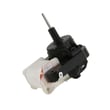
- Refrigerator condenser fan motor W11613295 (moves air across the condenser)
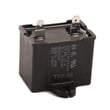
- Refrigerator run capacitor WPW10662129 (helps the compressor start and run)
Last updated: February 2026
What does DH mean on Kenmore 59679213010 refrigerator?
On a Kenmore 59679213010 bottom-mount refrigerator, DH typically indicates a defrost heating problem (the unit is not warming the evaporator enough during the defrost cycle). This commonly points to a failed defrost heater, a defrost control issue, or a wiring/connection problem in the defrost circuit.
What to check first (fast, no tools)
- Unplug the refrigerator for safety before removing panels.
- Look for heavy frost on the freezer back wall; thick frost often means defrost is not working.
- Confirm the freezer door closes and seals; warm air leaks can create excess frost.
- Make sure vents are not blocked by packages; poor airflow can mimic defrost trouble.
- If the refrigerator is warm but the freezer is cold, listen for the evaporator fan running.
Likely causes and the parts that match this model
If DH keeps returning after a power reset, these are the most common fixes for this model:
| Symptom you notice | Most likely area | Model-matched part to consider |
|---|---|---|
| Heavy frost, poor cooling | Defrost heat not melting frost | Refrigerator defrost heater WP12729128 |
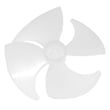
| Fan noise stops, warm fridge section | Evaporator fan not moving air | Refrigerator evaporator fan motor WPW10128551 |
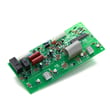
| Intermittent cooling, odd behavior | Control not managing defrost correctly | Refrigerator electronic control WPW10503278 |
Basic diagnostic steps (what we do in the field)
- Inspect wiring and connectors at the heater and control for loose plugs or corrosion.
- Check the heater circuit for an obvious break or burn mark on the heater assembly.
- If you have a multimeter, test the heater for continuity; an open heater is a direct cause of DH.
- If the heater tests good, the next most common suspects are the electronic control or a harness issue.
Why it matters
A DH (defrost heat) problem lets frost build up on the evaporator coil. That frost blocks airflow, so temperatures rise, the compressor runs longer, and food quality suffers.
For model-specific DIY guidance on display codes and what they mean, use our Kenmore 111 model bottom freezer refrigerator error codes reference.
Last updated: February 2026
What are the most common problems with Kenmore refrigerators?
The most common problems we see on Kenmore refrigerators like model 59679213010 are cooling issues, water leaks, ice maker or dispenser trouble, frost buildup, unusual noises, and door sealing problems. Many of these start with airflow restrictions, dirty condenser coils, or a failing fan or control.
Most common symptoms and what usually causes them
- Not cooling or weak cooling: dirty condenser coils, failed evaporator fan motor, failed condenser fan motor, or sealed system/compressor issues
- Freezer cold but fridge warm: blocked air vents, iced-over evaporator cover, weak evaporator fan, or defrost system trouble
- Water leaking or puddles: clogged defrost drain, cracked water line, or dispenser/ice maker supply issues
- Excess frost: door not sealing, frequent door openings, or a defrost heater/control problem
- Noisy operation: fan blade rubbing ice, worn fan motor, or compressor start components
- Lights or controls acting up: door switch issues or electronic control problems
Quick checks we recommend before replacing parts
- Confirm temperatures: set refrigerator to about 37°F and freezer to about 0°F.
- Check airflow: make sure vents inside the fresh food section are not blocked by food packages.
- Clean condenser coils: dust buildup can cause warm temps and long run times.
- Listen for fans: you should typically hear a fan running when the compressor is running.
- Inspect door seals: look for gaps, tears, or areas that do not grip a dollar bill.
Parts that commonly solve these problems on model 59679213010
| Problem area | What to check | Example part for this model |
|---|---|---|
| Warm fridge / poor airflow | Evaporator fan not running, noisy, or weak | Refrigerator evaporator fan motor WPW10128551 |
| Frost buildup / iced evaporator | Defrost heater not heating during defrost | Refrigerator defrost heater WP12729128 |
| Noisy or overheating at back | Condenser fan not running or rattling | Refrigerator condenser fan motor W11613295 |
| Intermittent temps / dead display | Control board symptoms, erratic operation | Refrigerator electronic control WPW10503278 |
Why it matters
Cooling and defrost problems can quickly lead to food spoilage and compressor strain. Catching airflow, fan, and door gasket issues early often prevents bigger repairs later.
For model-specific troubleshooting steps, we also use error code guidance when a display is present; see Kenmore 111 model bottom freezer refrigerator error codes.
Last updated: February 2026
Why is my Kenmore refrigerator leaking water from the bottom?
Water leaking from the bottom of your Kenmore 59679213010 bottom-mount refrigerator is usually caused by a clogged defrost drain that overflows into the fresh food section, or by defrost water missing the drain pan underneath. We focus first on clearing the drain path and confirming the unit is level.
Most common causes (and what to check first)
- Defrost drain clogged with ice or debris: Water backs up and spills out.
- Drain pan shifted, cracked, or overflowing: Defrost water cannot collect properly.
- Door not sealing: Excess moisture creates heavy frost, then extra meltwater.
- Evaporator cover or airflow issue: Frost builds up and meltwater can overflow.
- Ice maker or water line leak (if equipped): Leaks can track to the front and look like a bottom leak.
Quick troubleshooting steps
- Unplug the refrigerator and remove food from the lowest shelves/drawers.
- Look for ice or standing water on the refrigerator floor (inside). If present, suspect the defrost drain.
- Clear the drain opening (typically at the back of the fresh food compartment or under the evaporator cover). Flush with hot water using a turkey baster.
- Check the drain pan underneath for cracks and make sure it is centered.
- Confirm the doors close and seal all the way around; warm air leaks create extra defrost water.
Parts that commonly relate to bottom leaks
If you find heavy frost or repeated drain icing, these parts often come into play:
- Refrigerator defrost heater WP12729128 (helps melt frost so water can drain)
- Refrigerator evaporator cover W10308415 (improper fit can contribute to icing and overflow)
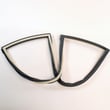
- Gasket-fip W10830162 or gasket-fip W10830189 (a poor seal increases frost and meltwater)
Symptom-to-cause guide
| What you see | Most likely cause | What to do |
|---|---|---|
| Water inside fridge bottom, then leaking out | Clogged defrost drain | Thaw and flush drain; remove ice blockage |
| Water only on floor under unit | Drain pan issue or external water line leak | Inspect pan position/condition; check water connections |
| Heavy frost on back wall/freezer | Defrost system or door seal issue | Check gasket seal; inspect defrost components |
Why it matters
A small drain restriction can turn into recurring ice buildup, warm temperatures, and water damage. Fixing the drain and sealing issues early helps your Kenmore refrigerator maintain stable cooling and prevents repeat leaks.
For step-by-step help on moisture and leak prevention, use our guide: how to get rid of refrigerator puddles.
Last updated: February 2026