 Owner’s manual




How do I turn off the loc on my Frigidaire dishwasher?
On the Frigidaire GLDB957AS2 dishwasher, “LOC” is the control lock. To turn it off, press and hold POWER DRY OFF/NO HEAT DRY for 5 seconds until the CONTROLS light goes out. See the GLDB957AS2 owner's manual for the exact button labeling on your console.
Quick steps to unlock (LOC)
- Press POWER DRY OFF/NO HEAT DRY once.
- Press and hold POWER DRY OFF/NO HEAT DRY for 5 seconds.
- Confirm the CONTROLS indicator light turns off.
- Try selecting a cycle (for example, Normal) and press START/CANCEL.
- If the door is not fully latched, close it firmly and try again.
What you should see when it works
| What you see | What it means | What to do next |
|---|---|---|
| CONTROLS light is on | Controls are locked (LOC) | Hold POWER DRY OFF/NO HEAT DRY 5 seconds |
| CONTROLS light is off | Controls are unlocked | Choose cycle and press START/CANCEL |
| Buttons do not respond | Still locked or console not accepting input | Repeat hold step; verify door is latched |
Why it matters
The control lock prevents kids (or accidental bumps) from changing the cycle or starting the dishwasher mid-load. Once unlocked, you can select cycles and options normally, including heated drying and wash temperature options.
Last updated: February 2026
How to reset a Frigidaire dishwasher error code?
On the Frigidaire GLDB957AS2 dishwasher, the most reliable “reset” for an error condition is to cancel the current cycle using the START/CANCEL pad; the dishwasher will drain for about 90 seconds, then you can reselect a cycle and restart. See the GLDB957AS2 owner's manual for the exact button sequence on your control panel.
Quick reset options (from least to most disruptive)
- Cancel and drain (recommended first): Press START/CANCEL; the unit runs a 90-second drain, then you can choose a new cycle.
- Cancel Delay Start: If Delay Start is set, press START/CANCEL to cancel the delay and begin the cycle.
- Power reset: Turn the dishwasher’s breaker OFF for 5 minutes, then turn it back ON (useful after a control glitch).
- Door latch reset: Open the door, then close it firmly until it latches; many “won’t run” conditions are simply an unlatched door.
What to check so the error does not come right back
Many error codes are symptoms of a real condition (drain, fill, heat, or door). Check these common causes first:
- Drain path: Make sure the sink/disposer is clear and the drain hose is not kinked.
- Standing water: Water left in the bottom of the tub after a cycle points to a draining problem.
- Water supply: Confirm the shutoff valve is fully open.
- Cycle settings: Verify the cycle is set correctly and not paused.
- Door latch: Ensure the door closes and latches smoothly; a worn latch can interrupt operation.
Common symptoms and the most likely next step
| What you notice | Most likely area | Good next step |
|---|---|---|
| Won’t start but has power | Door not latched, delay start | Cancel delay; re-latch door; restart |
| Water in bottom of tub | Drain restriction | Check hose/disposer; consider the hose 807117001 if the hose is damaged or kinked |
| Leaks at the door | Door seal | Inspect and replace the gasket 809006501 if torn, flattened, or loose |
Why it matters
Resetting clears the current cycle logic, but fixing the underlying cause prevents repeat error codes, protects the motor and heater, and helps the dishwasher clean and drain normally.
Last updated: February 2026
How can I force my Frigidaire dishwasher to drain?
To force a drain on your Frigidaire GLDB957AS2 dishwasher, press START/CANCEL; the dishwasher runs an approximately 90-second drain cycle. When the drain finishes, you can select a new wash cycle. For exact button sequence details, use the GLDB957AS2 owner's manual.
Quick steps to force a drain
- Press START/CANCEL once.
- Keep the door closed and latched so the drain can run.
- Listen for the drain motor and water movement for about 90 seconds.
- When draining stops, select your desired cycle and press START.
- If water remains, check for a kinked or clogged drain path before restarting.
If it still will not drain (most common causes)
A forced drain only works if the drain path is open and the dishwasher can pump water out.
- Drain hose issue: kinks, clogs, or a loose connection; inspect and replace the hose 807117001 if it is split or restricted.
- Air gap blockage (if installed): clean the air gap cap and internal passage.
- Overfill protector stuck: make sure the float moves up and down freely; clean underneath if it binds.
- Door not fully latched: the unit may not run the drain if the latch is not engaged.
- Pump sealing leaks: if you see water under the unit during drain, inspect sump and pump seals (for example, the dishwasher sump gasket 154246801).
What you should see during a normal drain
| What happens | What it tells us |
|---|---|
| You hear the drain motor and water rushing | Pump is running and water is moving out |
| Motor runs but little or no water leaves | Likely restriction in hose, air gap, or sink connection |
| No motor sound after START/CANCEL | Possible door latch issue, control problem, or power interruption |
Why it matters
Standing water can redeposit soil on dishes, cause odors, and strain the drain system. Using the built-in START/CANCEL drain first helps confirm whether the issue is a simple blockage (hose or air gap) versus a control or latch problem.
Last updated: February 2026
What is the average lifespan of a Frigidaire dishwasher?
A Frigidaire dishwasher typically lasts 10 years on average. For your Frigidaire GLDB957AS2, consistent cleaning, correct detergent use, and avoiding chronic leaks or overheating are the biggest factors that help it reach (and often exceed) that typical service life; see the GLDB957AS2 owner's manual for care and operating guidance.
Typical lifespan range (what to expect)
Most dishwashers in this class land in a predictable range based on use and water conditions.
| Usage and conditions | Typical lifespan | What usually ends the run |
|---|---|---|
| Light use, soft water, good maintenance | 11 to 13 years | Rack wear, seals, minor leaks |
| Average family use | ~10 years | Drain issues, wash motor wear |
| Heavy use, hard water, poor maintenance | 7 to 9 years | Pump leaks, heating problems |
What extends the life of a GLDB957AS2
We see the longest-lasting units when these basics are handled consistently:
- Keep the filter and sump area clear of debris so the pump is not overworked.
- Run hot water at the sink before starting so incoming water is hot enough for good cleaning.
- Use rinse aid correctly and avoid overfilling to prevent oversudsing.
- Load racks so spray arms can rotate freely and items are not “nesting.”
- Fix small leaks early; a worn door seal can turn into cabinet and floor damage.
Parts that commonly affect longevity
If performance drops, these parts are frequent contributors on many Frigidaire dishwashers:
- Door sealing: gasket 809006501 (lower door seal)
- Filling: valve 154637401 (water inlet valve)
- Draining: hose 807117001 (drain hose)
- Drying and heating: heater 154665201 (heating element)
Why it matters
A dishwasher that is cleaning with proper water temperature and pressure, sealing tightly, and draining fully puts less strain on the motor, pump, and heater. That reduces repeat failures and helps the GLDB957AS2 reach its normal lifespan.
Last updated: February 2026
What is the most common problem with a Frigidaire dishwasher?
The most common issues we see on Frigidaire dishwashers like model GLDB957AS2 are performance problems that trace back to basics: the dishwasher will not start (door not latched, delay start selected, breaker tripped), it will not drain (kinked drain hose or disposer issue), or it leaves food soils because spray is blocked or water is not hot enough. For model-specific operating checks, use the GLDB957AS2 owner's manual.
Most common symptoms and what usually causes them
- Won’t start or run: door not fully closed and latched, delay start turned on, tripped breaker or blown fuse
- Not draining: kinked drain hose, disposer knockout plug not removed, disposer not empty
- Food soils left on dishes: spray arms blocked by loading, water temperature too low, detergent issues
- Leaks at the door: worn lower door seal or door not closing evenly
- Poor drying: cycle options and water heating delays can extend cycles and affect drying results
Quick checks we recommend first (GLDB957AS2)
- Confirm the door closes firmly; the unit must be closed and latched to run.
- Check for Delay Start being selected.
- Verify the water supply valve is on.
- If it won’t drain, inspect the drain hose routing for kinks and check the disposer connection.
- If cleaning is poor, make sure items are not blocking spray arm rotation and incoming water is at least 120°F.
Parts that commonly solve these problems
| Symptom | Common fix | Model-matched part to consider |
|---|---|---|
| Door leaks | Replace worn door seal | Gasket 809006501 |
| Won’t fill or fills slowly | Replace inlet valve | Valve 154637401 |
| Won’t drain | Replace damaged drain hose | Hose 807117001 |
| Not drying well | Check heater circuit, replace heater if failed | Heater 154665201 |
Why it matters
These “most common” dishwasher problems are often caused by airflow, water temperature, loading, and drain path issues, not major failures. Fixing the root cause protects the pump and motor, improves cleaning, and helps prevent leaks that can damage cabinets.
Last updated: February 2026
Can I replace dishwasher parts myself?
Yes, for a Frigidaire GLDB957AS2 dishwasher, we can replace many common parts ourselves if we shut off power and water first and follow the safety steps in the GLDB957AS2 owner's manual. Simple mechanical items (seals, wheels, hoses) are usually the best DIY starting point.
What’s realistic to DIY vs. what to leave to a pro
DIY is typically a good fit when the repair is accessible and doesn’t require advanced electrical diagnosis.
- Good DIY candidates: door seals, rack wheels, drain hose routing, basic cleaning and maintenance
- Usually pro-level: control panel wiring issues, repeated breaker trips, complex leak diagnosis under the tub
- Always do first: disconnect electrical power before servicing (per the manual)
- Use caution: the heating element can be hot during and right after cycles
Parts on this model we commonly see replaced
These are examples of GLDB957AS2 parts that are straightforward when the symptom matches.
| Symptom | Common DIY check | Example part for GLDB957AS2 |
|---|---|---|
| Water leaking at the bottom of the door | Inspect/clean sealing surfaces; look for tears | Gasket 809006501 |
| Dishwasher not draining well | Check for kinks/clogs; verify air gap is clear (if installed) | Hose 807117001 |
| Dishwasher not filling | Confirm water supply is on; check float movement | Valve 154637401 |
DIY safety checklist (do this every time)
- Turn off power at the breaker; confirm the dishwasher is grounded and on a proper circuit (120 V, 60 Hz)
- Shut off the water supply valve under the sink
- Let the heating element cool before reaching into the tub
- Do not run the dishwasher with panels removed
- Keep sharp items positioned so they do not damage the door seal
Why it matters
A careful DIY repair can stop leaks, restore draining, and prevent repeat problems like water damage or poor cleaning. Following the manual’s safety guidance also reduces the risk of shock, burns, and accidental damage during service.
Last updated: February 2026
What are the commonly replaced parts in a dishwasher?
In a Frigidaire GLDB957AS2 dishwasher, the most commonly replaced parts are the ones that control water flow, heating, sealing, and draining. When you see leaks, poor cleaning, no heat, or standing water, these parts are the first places we check; see the GLDB957AS2 owner's manual.
Most commonly replaced dishwasher parts
- Door sealing parts: door gasket and lower door seal (leaks at the front)
- Water fill parts: water inlet valve (won’t fill, fills slowly, or overfills)
- Drain parts: drain hose (won’t drain, drains slowly, or leaks under the sink)
- Heating parts: heating element and its mounting hardware (poor drying, cool water)
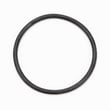
- Wash system seals: pump and sump O-rings or gaskets (leaks from the center/bottom)
- Racks and rollers: wheels/rollers and rack components (rack won’t slide, broken rollers)
Quick symptom-to-part guide (GLDB957AS2)
| Symptom | Most likely part area | Example part for this model |
|---|---|---|
| Water leaking at the bottom of the door | Door seal/gasket | Gasket 809006501 |
| Dishwasher won’t fill or fills very slowly | Water inlet valve | Valve 154637401 |
| Standing water after the cycle | Drain hose or drain path | Hose 807117001 |
| Dishes not drying well | Heating circuit | Heater 154665201 |
| Leak from underneath near the pump/sump | Pump O-ring or sump gasket | Dishwasher sump gasket 154246801 |
What we recommend checking first (before ordering parts)
- Confirm the dishwasher is getting hot water; incoming water should be about 120°F.
- Make sure the spray arms can rotate and are not blocked by tall items.
- Check that the funnel/top rack area is not blocked (can reduce wash performance).
- Clean the overfill protector (float) so it moves freely up and down.
- Inspect the glass trap in the center of the filter area and remove debris.
Why it matters
Dishwashers clean by pumping water through the filter and spray arms, then draining and refilling as the cycle runs. When a seal leaks, a valve can’t fill, or the unit can’t heat or drain, the whole wash process breaks down and performance drops fast.
Last updated: February 2026





