Owner’s manual
 View engine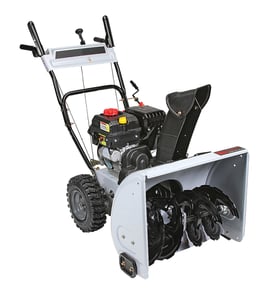


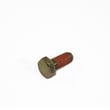
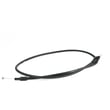
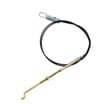
Where can I find the Craftsman snowblower model number?
On Craftsman snow thrower model 247888160, the model number is typically printed on the product identification label mounted on the rear of the unit near the wheel area. Use that exact number when ordering parts or checking diagrams in the 247888160 owner's manual.
Check these common label locations first:
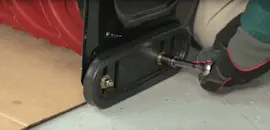
- Backside of the metal base between the left and right rear wheels
- Rear frame near the axle area
- Left side of the product identification label (where the model is usually listed)
- Near the engine mounting area (less common, but worth a quick look)
The identification label normally lists more than just the model number. Look for:
- Model number (use this to match parts)
- Serial number (helps confirm production run)
- Brand name (Craftsman)
- Safety and compliance markings
| Item | What it’s used for | When you need it |
|---|---|---|
| Model number | Matches the correct parts diagrams and part listings | Always, before ordering parts |
| Serial number | Helps narrow variations within a model run | When parts differ by production range |
Craftsman snowblower parts can vary by model and production run; using the exact model number helps ensure you get the correct belt, skid shoe, shave plate, and hardware for your machine.
Last updated: January 2026
Is it worth fixing a snowblower?
Yes; it’s worth fixing a Craftsman snow thrower like model 247888160 when the issue is a normal wear item or adjustment and the total repair cost stays well under the cost of a comparable new machine. For major engine damage or multiple major failures at once, replacement is the better value.
- Fix it when the engine runs well and the problem is throwing, traction, or scraping performance.
- Fix it when the repair is a common wear part (belt, skid shoes, shave plate).
- Replace it when the engine smokes heavily, knocks, or has very low power.
- Replace it when the auger/drive system and engine all need major work at the same time.
- Fix it when you depend on it often (large driveway, heavy snow) and the chassis is solid.
These repairs typically restore performance quickly:
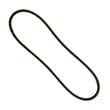
- Auger not turning or weak throwing: inspect and replace the auger drive belt; use the Craftsman 247888160 owner’s manual for belt routing and adjustment specs.
- Poor scraping or leaving a layer of snow: replace the shave plate 784-5581A.
- Scraping too aggressively or riding too high: replace or adjust the skid shoe 784-5580.
| Situation | Typical recommendation | Why it’s the best value |
|---|---|---|
| Wear part failure (belt, skid shoes, shave plate) | Fix it | Low cost, big performance gain |
| Drive slipping or inconsistent speeds | Fix it first | Often adjustment or friction-disc related |
| Major engine failure | Replace | Cost and downtime outweigh value |
A snowblower that still has a strong engine usually needs maintenance parts, not a full replacement. Restoring scrape height, traction, and auger drive reduces clearing time and prevents extra strain on the drivetrain.
- Belt condition (glazing, cracking, stretching)
- Skid shoe height and evenness side-to-side
- Shave plate wear and mounting hardware tightness
- Chute movement and cable/rod operation
- Fresh fuel, clean spark plug, correct oil level
Last updated: January 2026
What is the most common problem with snow blowers?
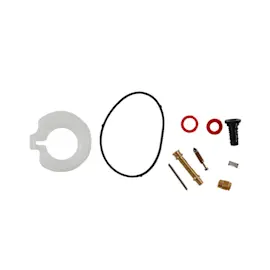
The most common problem we see on gas snow blowers like the Craftsman 247888160 is a no-start or hard-start condition caused by stale fuel and carburetor varnish, followed by spark plug issues. Next most common are chute clogs and drive or auger problems from wear or misadjustment.
- Won’t start or starts then dies: old fuel, dirty carburetor, fouled spark plug, restricted fuel cap vent
- Runs but won’t throw snow well: clogged chute, wet or heavy snow, incorrect skid shoe height
- Auger does not turn: broken shear pins, loose or worn auger drive belt, frozen auger shaft
- Unit won’t drive or slips: worn friction disc, drive cable out of adjustment
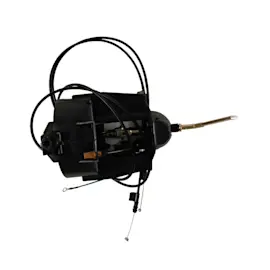
- Poor control response: stretched cables, bent linkage, ice buildup around controls
- Drain old fuel and refill with fresh fuel (use fuel stabilizer for storage).
- Check the spark plug condition and gap; replace if fouled.
- Clear packed snow and ice from the intake housing and discharge chute (engine off, key removed).
- Inspect belt condition and tension under the belt cover.
- Confirm skid shoes are even so the scraper edge is not digging in.
| Symptom | Likely wear item | What it affects |
|---|---|---|
| Leaves snow behind, scrapes unevenly | Shave plate | Ground contact and scraping performance |
| Digs in or rides too high | Skid shoes | Cutting height and surface protection |
| Auger slows or stops under load | Auger drive belt | Power transfer to auger and impeller |
Most snowblower problems start as basic maintenance issues. Fixing fuel quality, spark, and simple adjustments early prevents extra strain on the auger and impeller and reduces premature belt and drive wear.
For model-specific maintenance intervals, adjustment points, and safety steps, follow the 247888160 owner’s manual.
Last updated: January 2026
How long does a gas-powered snow blower last?
A gas-powered snow thrower like the Craftsman 247888160 lasts 10 to 15 years with normal homeowner use and routine seasonal maintenance. Lifespan depends most on fuel care, oil changes, and keeping the drive system and front wear surfaces in good condition.
- Fuel management: use fresh gasoline, add stabilizer, and store properly in the off-season
- Oil changes: clean oil reduces engine wear and hard starting
- Drive system wear: belts and friction disc wear faster if the drive is slipping
- Snow load: heavy, wet snow increases stress on bearings and the impeller system
- Corrosion control: rinse off salt, dry the unit, and touch up chipped paint to prevent rust
Use the 247888160 owner's manual for the exact intervals and specifications for your unit; these are the most common best practices for Craftsman gas snow throwers:
| When | What to do | Why it matters |
|---|---|---|
| Every use | Check oil level; clear packed snow from the auger housing | Prevents engine damage and freeze-ups |
| Every season | Change oil; inspect belts, cables, and fasteners | Reduces wear and restores performance |
| Mid-season | Check skid shoe and shave plate adjustment | Improves scraping and protects the housing |
| End of season | Stabilize or drain fuel; clean and dry thoroughly | Prevents carburetor varnish and rust |
If performance drops (poor scraping, slipping drive, weak throwing), these parts are often involved:
- Poor clean-up and extra strain at the front edge: shave plate 784-5581A
- Incorrect scraper height and housing protection: skid shoe 784-5580
- Drive slipping or inconsistent forward motion: friction disc (listed as “Frcn dsk asy” in parts diagrams)
Most snow throwers get replaced early because they become hard to start, lose drive traction, or stop clearing effectively. Staying ahead of fuel issues and replacing common wear parts on time keeps your Craftsman 247888160 reliable during peak winter storms.
Last updated: January 2026