Owner’s manual
 Error Codes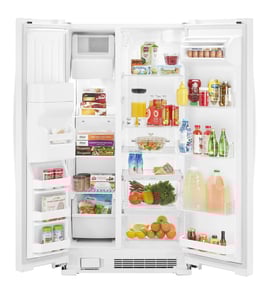



What is the most common problem with a GE refrigerator?
The most common issue we see with a GE refrigerator like model GSS25GMHGCES is not cooling properly, often caused by airflow problems (blocked vents, dirty coils), a failed evaporator fan, or a defrost system issue. Start with basic checks before replacing parts; many cooling complaints are simple fixes.
Quick checks first (no parts needed)
- Confirm the temperature controls are not set to OFF.
- Make sure the refrigerator is fully plugged in and the breaker is not tripped.
- Allow about 30 minutes if the unit is in a defrost cycle (cooling pauses during defrost).
- Listen for normal sounds during defrost (sizzling, popping, dripping) so you do not chase a non-problem.
- Check for blocked air vents inside the fresh food and freezer sections.
Common “most likely” causes and what they look like
| Symptom | Most likely cause | What to check next |
|---|---|---|
| Freezer warm, fresh food warm | Evaporator fan not running | Fan noise, frost buildup, door switch test |
| Freezer cold, fresh food warm | Airflow restriction or damper issue | Vents blocked by food, heavy frost on back wall |
| Frost sheet on freezer back wall | Defrost system problem | Heater, thermostat, and defrost controls |
| Temps swing up and down | Sensor/control issue | Sensor placement, wiring, error codes |
Parts that commonly relate to cooling complaints on this model
If the basic checks do not solve it, these model-matched parts are common suspects:
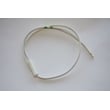
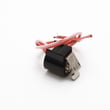
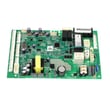
- Refrigerator evaporator fan motor WR60X10307
- Refrigerator defrost heater WR51X10055
- Refrigerator defrost bi-metal thermostat WR50X10065
- GE profile refrigerator temperature sensor WR55X10025
Why it matters
A refrigerator that is not cooling correctly can lead to food spoilage and can also cause secondary issues like excessive frost, longer run times, and noisy operation. Catching airflow or defrost problems early helps prevent bigger repairs.
Model-specific reference
For control settings, normal operating sounds, and the built-in troubleshooting chart for GSS25GMHGCES, use the GSS25GMHGCES owner’s manual.
Last updated: January 2026
How wide is a 25.6 cubic foot refrigerator?
A 25.6 cu. ft. refrigerator is typically about 36 inches wide. For the GE GSS25GMHGCES side-by-side, the installation instructions show a 36-inch cabinet width and note that door removal is needed if an entrance is less than 38 inches wide; confirm your exact fit in the GSS25GMHGCES owner's manual.
Typical width range (what you can expect)
Most 25 to 26 cu. ft. side-by-side refrigerators are built in the 33 to 36 inch width class, with 36 inches being the most common.
- Most common width: 36 inches
- Other common width class: 33 inches
- Plan extra space for door swing, handles, and airflow clearances
- Measure your doorway before delivery; some installs require door removal
Quick sizing table
| Refrigerator size class | Typical cabinet width | Common doorway guidance |
|---|---|---|
| 25 to 26 cu. ft. side-by-side | 36 inches | If an entrance is under 38 inches, doors may need removal |
| 25 to 26 cu. ft. side-by-side (narrow class) | 33 inches | Often fits tighter kitchens, still measure door swing |
How to measure correctly (so it fits the first time)
Use a tape measure and check these three spots:
- Kitchen opening width (wall to wall or cabinet to cabinet)
- Doorway and hallway pinch points (including trim)
- Depth clearance behind the unit for connections and airflow
- Height clearance to upper cabinets
- Space to pull the refrigerator out for cleaning and service
Why it matters
Width is only part of the fit. A refrigerator that is “36 inches wide” can still be hard to move into place if the entrance is tight, or if you do not allow for ventilation clearances and plumbing/electrical connections.
Last updated: January 2026
Are GE side by side refrigerators good?
GE side-by-side refrigerators like model GSS25GMHGCES are a solid choice for everyday use because they typically deliver consistent cooling, easy organization, and convenient ice and water features. Overall quality comes down to proper setup, routine cleaning, and keeping key systems (airflow, defrost, filtration) working correctly.
What “good” usually means for a side-by-side
We judge side-by-side refrigerators on temperature stability, usable storage, and how reliably the dispenser and icemaker work.
- Organization: adjustable shelves and door bins make it easier to separate fresh and frozen foods.
- Convenience: in-door ice and water saves space and reduces door-open time.
- Cooling performance: steady airflow from the evaporator fan helps prevent warm spots.
- Maintenance needs: water filters and condenser cleaning matter more than most people expect.
- Noise expectations: icemakers and fans can be noticeable during harvest cycles.
What to check on your GSS25GMHGCES to keep it performing well
Use these practical checks to get the best reliability and day-to-day performance; we outline the model-specific features and care steps in the GSS25GMHGCES owner's manual.
- Set fresh food and freezer temps, then give the unit 24 hours to stabilize.
- Keep vents clear inside both compartments so cold air can circulate.
- Replace the water filter on schedule; a restricted filter can reduce water flow and affect ice production.
- Clean the condenser area periodically to help the compressor run efficiently.
- If ice clumps or the chute leaks air, inspect the dispenser door components.
Common “pros and cons” at a glance
| Area | What’s good | What to watch |
|---|---|---|
| Storage | Narrow doors, easy access to both sides | Less wide-shelf space than some layouts |
| Dispenser | Fast access to ice and water | Can be noisy during ice making |
| Filtration | Better taste and fewer particles | Needs regular filter changes |
| Cooling | Strong airflow design | Frost/defrost issues can impact temps |
Parts that often matter for performance
If you’re evaluating “good” based on dispenser taste, ice output, or temperature consistency, these are common wear items for this model family.
- GE refrigerator water filter MWFP (water taste, flow, ice quality)
- Refrigerator evaporator fan motor WR60X10307 (airflow and even cooling)
- Refrigerator defrost heater WR51X10055 (frost control and airflow)
Why it matters
A side-by-side can feel “great” or “frustrating” depending on airflow and water system health. Staying ahead of filter changes, keeping vents clear, and addressing frost or fan noise early helps your GE refrigerator stay consistent and efficient.
Last updated: January 2026