Error Codes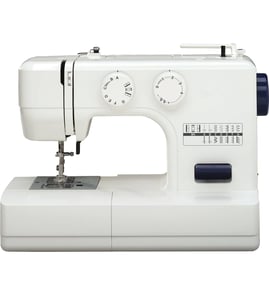

When was the first mechanical sewing machine invented?
The first widely credited sewing machine patent dates to 1790, when Thomas Saint patented a sewing machine design in London. Earlier, in 1755, Charles Fredrick Wiesenthal received a patent for a mechanical sewing aid (a specialized needle), which helped pave the way for later machines.
Key milestones (quick timeline)
- 1755: Charles Fredrick Wiesenthal patents a mechanical sewing aid (needle concept).
- 1790: Thomas Saint patents an early sewing machine design.
- 1800s: Sewing machine designs evolve rapidly into practical home and industrial machines.
How this relates to your White 1600 mechanical sewing machine
Your White 1600 is a much later, refined type of mechanical sewing machine. Compared with early designs, modern mechanical machines typically add features that make stitch formation more consistent and user-friendly, such as:
- Adjustable thread tension
- Presser foot pressure control (varies by model)
- Feed dogs for fabric movement
- Bobbin and hook system designed for smoother stitching
- Standardized needles and common presser feet (varies by shank style)
What “invented” usually means in sewing machine history
Different sources use “first” in different ways. Here is the most common breakdown:
| Claim | What it refers to | Commonly cited name | Date |
|---|---|---|---|
| First patent for a sewing machine | A patented machine concept | Thomas Saint | 1790 |
| Early mechanical sewing aid | A patented device that assists sewing | C. F. Wiesenthal | 1755 |
Why it matters
Knowing the timeline helps set expectations: early patents were often concepts, while later generations (like the White 1600) reflect decades of improvements in stitch reliability, needle standards, and serviceable mechanisms.
For help confirming you have the correct model identification before ordering parts, use how to find your appliance model number (and what it means for parts).
Last updated: February 2026
What is the most sought after vintage sewing machine?
The most sought-after vintage sewing machines are typically classic all-metal models known for smooth stitching, strong motors, and long-term serviceability. Popular picks include the Singer Featherweight (221/222), Singer 301, Singer 401/403, and select Bernina and Necchi zigzag machines; condition and accessories drive value.
Most commonly sought-after models (and why)
- Singer Featherweight 221/222: lightweight, highly collectible, excellent straight stitch
- Singer 301: fast, smooth straight stitch, strong all-metal build
- Singer 401/403: “workhorse” machines with versatile stitch options and durability
- Bernina vintage zigzag models (varies by series): premium build quality and stitch precision
- Necchi BU and similar: strong motors, excellent stitch formation, desirable attachments
What makes a vintage machine “sought after”
Desirability usually comes down to a mix of performance, rarity, and completeness.
- All-metal internal construction (less plastic, more longevity)
- Smooth, consistent stitch quality at low and high speeds
- Availability of standard consumables (needles, bobbins, belts)
- Included accessories (buttonholer, feet set, case, manuals, cams)
- Original finish and decals, plus low corrosion and minimal wear
Quick comparison: what collectors prioritize
| Machine type | What buyers love | What to check before buying |
|---|---|---|
| Straight-stitch portable (Featherweight/301) | portability, stitch quality | wiring, motor noise, feed dogs |
| Heavy all-metal “workhorse” (401/403) | power, versatility | gears, lubrication, stitch selector |
| Premium zigzag (Bernina/Necchi) | precision, features | parts availability, timing, accessories |
Where your White 1600 fits in
Your White 1600 mechanical sewing machine can still be a great stitcher, especially if it is clean, timed correctly, and has the right presser feet and bobbins. For identifying the exact version and matching parts, use how to find your appliance model number (and what it means for parts).
Why it matters
The “most sought after” machine is usually the one that best matches the buyer’s goals: collectors want originality and rarity, while sewists often want a dependable all-metal machine that can be serviced and kept running for decades.
Last updated: February 2026
Are older sewing machines worth anything?
Yes. Older sewing machines can be worth real money, but value depends on the exact brand and model, whether it sews smoothly, and whether it includes original accessories. For a White model 1600 mechanical sewing machine, most resale value comes from working condition and completeness, not age alone.
What drives the value most
- Exact model identification: collectors pay for specific models, not just “vintage.”
- Working condition: consistent stitch formation, steady motor, and smooth feed dogs raise value.
- Completeness: foot pedal, power cord, bobbins, presser feet, and case can add value.
- Cosmetic condition: clean paint, intact decals, and no cracks in the body or case help.
- Service history: a recently cleaned and oiled machine typically sells faster.
Typical price expectations (practical ranges)
Most older mechanical machines fall into a few common value bands.
| Condition | What buyers usually see | Typical value range |
|---|---|---|
| Not working / parts only | seized handwheel, missing pedal, electrical issues | $0 to $30 |
| Working but basic | stitches OK, normal wear, limited accessories | $30 to $120 |
| Clean, fully working, complete | serviced, accessories included, ready to sew | $120 to $300+ |
Quick checklist to estimate your machine’s value
- Test straight stitch and zigzag on cotton fabric; look for skipped stitches or looping.
- Confirm the handwheel turns freely and the needle bar moves smoothly.
- Check wiring for brittleness or cracks; replace damaged cords before regular use.
- Verify the bobbin system works (winds correctly and feeds thread consistently).
- Gather and photograph accessories and any original paperwork.
Why it matters
A mechanical sewing machine’s value is tied to reliability. Buyers pay more for a machine that is safe to power on, forms balanced stitches, and includes the hard-to-find accessories that make it usable right away.
Helpful related DIY reading
If you need to check basic electrical condition before powering up, use how to tell if a fuse is blown as a simple starting point.
Last updated: February 2026
Is it worth repairing an old sewing machine?
Yes, repairing an older White mechanical sewing machine like model 1600 is usually worth it when the machine has solid build quality, the repair is a basic service (cleaning, lubrication, adjustments), and you plan to keep sewing regularly. It is most cost-effective when the machine is complete and not missing hard-to-source parts.
Quick way to decide (repair vs. replace)
Use this checklist before you spend money on service.
- Worth repairing if it only needs cleaning, timing adjustment, tension tuning, or a new belt
- Worth repairing if the motor runs but performance is poor (often maintenance-related)
- Worth repairing if you like the stitch quality and the machine feeds fabric evenly
- Consider replacing if the machine has major internal damage (cracked castings, stripped gear train)
- Consider replacing if multiple critical functions fail at once (won’t stitch, won’t feed, won’t wind bobbin)
What repairs typically cost (and what you get)
Actual pricing varies by shop, but these ranges help you judge value.
| Repair type | What it usually includes | Typical value outcome |
|---|---|---|
| Basic tune-up/service | Cleaning, lubrication, tension and stitch adjustments | Biggest improvement per dollar |
| Timing adjustment | Needle and hook timing set correctly | Fixes skipped stitches and thread nests |
| Electrical fix | Cord, foot pedal, switch, motor testing | Restores safe, consistent power |
| Parts replacement | Belt, bobbin winder tire, tension parts | Good if parts are available |
Signs your White 1600 is a good candidate for repair
These point to a machine that will sew well after service.
- Handwheel turns smoothly (even if it feels stiff at first)
- Needle bar moves freely and does not bind
- Feed dogs rise and move fabric when you turn the handwheel
- Motor hums and turns the machine (no burning smell)
- Stitch formation is close to correct (problems are consistent, not random)
Why it matters
A mechanical sewing machine that is properly cleaned and adjusted can deliver reliable stitch quality for years, and routine service often solves the most common complaints (skipped stitches, looping thread, uneven tension) without needing a full replacement.
Helpful next step
If you are not 100% sure you have the correct model number before ordering parts or booking service, use our guide: how to find your appliance model number (and what it means for parts).
Last updated: February 2026
Are mechanical sewing machines good?
Yes. Mechanical machines are a good choice when you want simple, dial-based controls and dependable day-to-day sewing with fewer electronic components. For the White model 1600 specifically, confirm whether you have a standard sewing machine or a serger (overlock) before you judge features, because a serger is built for seam finishing, not straight-stitch sewing.
Mechanical vs. computerized: what changes
Mechanical and computerized machines can both sew well; the difference is how you control stitches and features.
| Feature | Mechanical | Computerized |
|---|---|---|
| Controls | Knobs, dials, levers | Buttons, screen, presets |
| Stitch selection | Core stitches | More built-in stitches |
| Adjustments | Manual, immediate | Guided, often automated |
| Serviceability | Fewer electronics | More electronics to diagnose |
Important: sewing machine vs. serger (overlock)
Some White “1600” units are commonly associated with serger-style use. A serger is not a replacement for a regular sewing machine.
- Sewing machine: straight stitch, zigzag, buttonholes (model dependent)
- Serger: trims fabric edge and wraps thread to finish seams
- Sergers excel at knits, seam finishing, and fast construction
- Sewing machines excel at topstitching, zippers, and buttonholes
What to check to decide if it is “good” for your projects
Use these practical checks to match the machine type to what you sew.
- If you need zippers, buttonholes, or topstitching: you want a standard sewing machine
- If you need clean seam finishes and stretchy seams: a serger is the better tool
- Look for stitch controls labeled for overlock settings versus straight/zigzag
- Verify the exact model identification on the rating label before buying parts
Why it matters
Mechanical machines reward good fundamentals and consistent setup. Knowing whether your White 1600 is a standard sewing machine or a serger prevents buying the wrong accessories and expecting stitches the machine is not designed to make.
Use how to find your appliance model number (and what it means for parts) to match the label information to the correct parts list.
Last updated: February 2026