Owner’s manual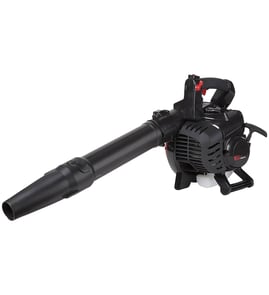






What is better, cfm or mph for a leaf blower?
For the Craftsman 358797290 gas leaf blower, neither CFM nor MPH is “better” by itself; they work together. This model is rated 410 CFM (air volume) and 205 MPH (air speed), so you get both strong pushing power and good loosening power. See the ratings in the 358797290 operator’s manual.
How to choose: CFM vs. MPH
- CFM (cubic feet per minute): how much air the blower moves; best for moving lots of dry leaves across a wide area.
- MPH (miles per hour): how fast the air stream is; best for breaking loose wet leaves and stubborn debris.
- Balanced performance: most real-world jobs need both; high MPH loosens, then high CFM carries debris away.
- Nozzle and tube setup matters: longer tubes and certain nozzles can change how “focused” the air feels.
- Technique matters: sweeping side-to-side and working with the wind often beats chasing the highest spec.
Quick comparison table
| Spec | What it tells you | Best for | What you notice |
|---|---|---|---|
| CFM | Air volume | Clearing large areas | Debris “moves in waves” |
| MPH | Air speed | Wet, stuck-on debris | Debris “breaks free” |
What we recommend for model 358797290
Because your Craftsman 358797290 is 410 CFM / 205 MPH, it is well-suited for:
- Driveways and sidewalks with dry leaves
- Lawn edges and landscaping beds (with controlled sweeping)
- Light to moderate wet-leaf cleanup (use a closer, more focused aim)
Why it matters
Choosing based on the job helps you finish faster and reduces strain on the engine. Matching CFM and MPH to the debris type also helps you avoid over-throttling and unnecessary fuel use.
Last updated: January 2026
How to find Craftsman leaf blower model number?
For the Craftsman gas leaf blower model 358797290, the model number is printed on the product identification label; it’s typically on the engine housing (motor casing) and may be on the side, back, or underside depending on how the unit is oriented. See the label examples in the 358797290 operator’s manual.
Where to look on model 358797290
Check these common label locations first:
- Side of the engine housing near the starter rope or air filter cover
- Back of the engine housing near the handle
- Underside of the unit near the fuel tank area
- Near the blower outlet or vacuum inlet door area
What the label should show
On this Craftsman model, the label usually includes:
- Model number (for example, 358.797290 may appear with a dot)
- Product description (gasoline powered blower)
- Basic specs (such as engine size and airflow ratings)
- Safety and compliance markings
Quick label reading guide
| What you see on the label | What it means for parts | What to do next |
|---|---|---|
| 358.797290 (with dots) | Same model as 358797290 | Use it as your model when searching parts |
| Only “358” or partial digits | Not enough to confirm exact fit | Keep looking for the full model string |
| A separate engine number | Not the full blower model | Still use the blower model for diagrams and parts |
Why it matters
We use the exact model number to match the correct parts diagrams and compatible replacement parts (fuel lines, fuel filter, carburetor components) for your specific Craftsman blower.
Last updated: January 2026
What is the best gas leaf blower for the money?
For the money, the “best” gas leaf blower depends on what you need most (power, comfort, or versatility). Your Craftsman 358797290 is a 24cc 2-cycle handheld blower rated at 205 MPH / 410 CFM, so it fits the value-focused, light-to-medium cleanup category; use it as your baseline when comparing newer models in-store.
How we recommend comparing “best value” blowers
Use your Craftsman 358797290 specs as a reference point, then decide what you want to improve.
- CFM (air volume): higher moves more leaves faster
- MPH (air speed): higher helps lift wet or stuck debris
- Engine size (cc): often correlates with power and weight
- Handheld vs backpack: backpack is usually best value for large yards
- Vacuum/mulch capability: useful if you want bagging and shredding
Quick value guide (what to buy for your use case)
| Your yard and workload | Best “value” style | What to look for |
|---|---|---|
| Small yard, driveway, light leaves | Handheld 2-cycle | Similar or slightly higher than 410 CFM, easy starting |
| Medium yard, heavier leaf season | Strong handheld or light backpack | Noticeably higher CFM, good anti-vibration |
| Large yard, long sessions | Backpack blower | Higher CFM with better comfort and less arm fatigue |
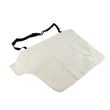
| Want bagging and shredding | Blower/vac | Easy conversion, durable bag, good mulching ratio |
Why it matters
“Best for the money” is really “best performance per dollar for your workload.” If you buy more blower than you need, you pay extra and carry extra weight. If you buy too small, you spend more time clearing and may run at full throttle constantly.
Keeping your current Craftsman 358797290 performing like a good value
Before replacing, we recommend a quick tune-up using the maintenance schedule in the 358797290 operator’s manual. If it runs rough or struggles to start, common value-saving fixes include fuel system service.
- Use fresh 40:1 fuel mix (2-cycle oil + unleaded gas)
- Clean the air filter regularly
- Replace the fuel filter if flow seems restricted
- Inspect fuel lines for cracks or softness
- Avoid long-term storage with untreated fuel
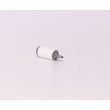
If you need a common fuel-system replacement for this model, the fuel filter 530095646 is a frequent maintenance item.
Last updated: January 2026
What is the life expectancy of a gas leaf blower?
A gas leaf blower like the Craftsman 358797290 typically lasts 10 years or more with normal homeowner use and consistent maintenance (clean air filter, fresh 2-cycle fuel mix, and proper storage). Heavy use and poor fuel practices can shorten engine life.
What affects lifespan the most
- Fuel quality and mix ratio: Use fresh unleaded gas mixed 40:1 with 2-cycle air-cooled engine oil (3.2 oz oil per 1 gallon gas), as specified in the 358797290 operator's manual.
- Air filter care: Clean the air filter about every 5 hours of operation.
- Spark plug and fuel filter service: Replace the spark plug yearly; replace the fuel filter yearly.
- Storage habits: Empty the fuel system for storage periods of 30 days or longer (or use stabilizer).
- Operating conditions: Dusty work, overheating, and running with restricted airflow increase wear.
Maintenance schedule (quick reference)
| Task | Typical interval | Why it matters |
|---|---|---|
| Clean air filter | Every 5 hours | Prevents power loss and rich running |
| Replace spark plug | Yearly | Easier starting, smoother running |
| Replace fuel filter | Yearly | Prevents lean running and fuel starvation |
| Clean unit/exterior | After each use | Helps cooling and reduces corrosion |
If you are chasing hard starting or fuel starvation, replacing the fuel filter is a common first step; use the model-compatible fuel filter 530095646.
Signs your blower is nearing end-of-life
- Hard starting even with fresh fuel and correct choke/primer use
- Loss of power under load (bogging) that returns quickly after service
- Excessive vibration or unusual mechanical noise
- Persistent smoking after correcting fuel mix and cleaning the air filter
Why it matters
A well-maintained 2-cycle engine can run for years; most early failures come from stale fuel, incorrect oil mix, or restricted airflow. Following the Craftsman maintenance intervals helps protect the carburetor, piston, and crank seals.
Last updated: January 2026