Installation guide
 Owner’s manual


What is the thing at the bottom of my dishwasher?
In a KitchenAid KUDS30FXPA4 dishwasher, the most common “thing” you notice at the bottom of the tub is the heating element (a metal loop/rod). It helps heat the wash water and boosts drying performance, and it sits low in the tub near the sump and spray arm area.
What you might be seeing (quick ID)
- Heating element: metal loop or bar along the tub floor; warms water and aids drying.
- Sump area: the low “well” where water collects; houses the pump intake and filters.
- Lower spray arm: plastic arm that spins and sprays; sits above the sump.
- Float/float switch (on some designs): small dome or cylinder; helps prevent overfilling.
- Food chopper/filter cover (varies by design): screen or cover near the sump.
How to confirm it is the heating element
- Remove the lower rack and look for a metal loop/rod running near the front or around the base.
- Check for burn marks, blisters, or breaks in the metal.
- If you have poor drying or cool wash results, the heater is a prime suspect.
- Use the wiring diagram and component locations in the KUDS30FXPA4 owner’s manual to match what you see.
Common symptoms by part
| What you notice | Most likely area | What it affects |
|---|---|---|
| Dishes not drying, water stays cool | Heating element | Heating and drying |
| Standing water after cycle | Drain system | Draining |
| Poor cleaning, gritty debris | Sump/filter area | Wash performance |
When replacement makes sense
If the metal heater is visibly damaged or you have consistent heating and drying problems, replacing the heater is a practical next step. For this model, the heater is available as dishwasher heater W10703867.
Why it matters
The bottom components work together: the sump feeds the wash pump, the spray arm distributes water, and the heater raises temperature for better soil removal and drying. A problem in any of these areas can make cycles seem weak or leave water behind.
Last updated: February 2026
Do KitchenAid dishwashers have filters that need to be cleaned?
Yes. KitchenAid dishwashers, including model KUDS30FXPA4, use a filter system that should be cleaned regularly to prevent food buildup that can cause odors, poor wash results, and draining problems. For your model’s exact filter location and removal steps, follow the KUDS30FXPA4 owner's manual.
How to clean the dishwasher filter (typical steps)
- Turn off power at the breaker (recommended before reaching into the sump area).
- Remove the lower rack to access the bottom of the tub.
- Locate the filter assembly near the lower spray arm base.
- Twist the filter to unlock, then lift it out (some designs have upper and lower pieces).
- Rinse under warm running water; use a soft brush for stuck-on debris.
- Reinstall the filter fully seated and locked, then reinstall the rack.
How often we recommend cleaning
Most KitchenAid dishwashers perform best with filter cleaning about once a month. Clean it sooner if you notice any of the following:
- Grit or food particles left on dishes
- Cloudy glasses or poor spray coverage
- Musty odor inside the tub
- Standing water or slow draining
- Unusual grinding or rattling during wash
What to check if cleaning does not fix the problem
If the dishwasher still drains slowly or leaves water after you clean the filter, these are the most common next checks:
| Symptom | Most likely area | What to do next |
|---|---|---|
| Water left in tub | Drain path restriction | Check the drain hose routing and air gap (if used) |
| Hums but will not drain | Drain pump issue | Inspect for debris at the pump inlet; consider replacing the pump |
| Poor cleaning plus debris | Wash circulation issue | Check spray arms and sump area for blockage |
For drain-related repairs on this model, the dishwasher drain pump WPW10348269 is a common replacement part when the pump is weak or jammed.
Why it matters
A clean filter protects the pump and sump area, keeps water moving correctly through the spray arms, and helps your KitchenAid dishwasher maintain normal wash pressure and drainage.
Last updated: February 2026
What is the most common failure on a dishwasher?
The most common failure we see on dishwashers like the KitchenAid KUDS30FXPA4 is drainage trouble (water left in the tub) caused by food buildup in the filter area, drain path, or drain hose. Leaks and poor cleaning are also frequent, especially when seals or water flow parts wear.
Most common failures (and what they look like)
- Won’t drain: standing water after the cycle, gurgling at the sink, or a cycle that stops with water in the bottom.
- Leaks: water at the front corners or under the unit (often door seal or hose related).
- Not cleaning well: gritty dishes, cloudy glasses, or detergent left behind (often low water flow, blocked spray arms, or heating issues).
- Won’t start or stops mid-cycle: door not latching, power issue, or control problem.
- No fill or slow fill: little to no water in the tub early in the cycle.
Quick checks you can do first (safe, no tools)
- Confirm the door closes tightly and latches.
- Verify the water supply is turned on.
- Check the house breaker or fuse.
- Run the shortest cycle and confirm there is water in the bottom of the tub after a couple minutes (a basic operational check referenced in the KUDS30FXPA4 installation guide).
- Clean out visible debris in the bottom area and make sure the drain path is not blocked.
Parts that commonly fix the top failures
| Symptom | Common cause | Example part for KUDS30FXPA4 |
|---|---|---|
| Water won’t drain | Failed drain pump or restricted drain path | Dishwasher drain pump WPW10348269 |
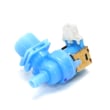
| Slow/no fill | Weak or stuck inlet valve | Dishwasher water inlet valve WPW10327249 |
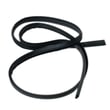
| Leaking at the bottom/front | Worn lower door seal | Seal WPW10497235 |
| Poor drying | Heater not heating | Dishwasher heater W10703867 |
Why it matters
Drain and fill problems can trigger longer cycle times, odors, and repeat clogs. Catching the issue early helps prevent water damage, protects the circulation system, and keeps wash performance consistent.
Last updated: February 2026
Why is my KitchenAid dishwasher holding water in the bottom?
A small amount of water in the bottom of your KitchenAid KUDS30FXPA4 dishwasher can be normal between cycles, but pooled or dirty standing water usually points to a drain problem. We focus first on the drain path (filter area, drain hose, and drain pump) to restore proper draining.
Quick checks that fix most “standing water” complaints
- Cancel the cycle and run a drain; listen for the drain pump running.
- Check the sink drain or garbage disposal for a clog (a blocked sink drain can back up into the dishwasher).
- Inspect the drain hose for kinks, crushing, or a low spot that traps water.
- Confirm the drain hose routing has a high loop or is connected to an air gap (prevents backflow).
- Remove the lower rack and clear debris from the sump area around the filter screen.
Most common causes and what to do next
| What you see | Likely cause | What we recommend |
|---|---|---|
| Water is clean, shallow puddle | Normal residual water | No repair; verify in the KUDS30FXPA4 owner’s manual what “normal” looks like for your cycles |
| Dirty water, food bits | Clogged sump/filter area | Clean the sump area; check spray arms for debris |
| Hums but does not drain | Drain pump jammed or failed | Check for obstructions; replace the dishwasher drain pump WPW10348269 if it will not pump |
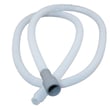
| Drains slowly or backs up | Restricted hose or plumbing | Clear/replace the hose; consider the dishwasher drain hose 8269144A if damaged or soft |
Installation-related drain issues to rule out
Improper drain hose connection can cause water to remain or flow back in after draining. During installation, the drain hose should be routed correctly and clamped securely at the connection point. Use the installation guide to confirm the drain connection method and hose routing.
Why it matters
Standing water can lead to odors, poor wash performance, and repeated drain errors. Fixing the drain path early also helps protect the motor and sump components from debris damage.
Last updated: February 2026