


Can I replace AC spare parts myself?
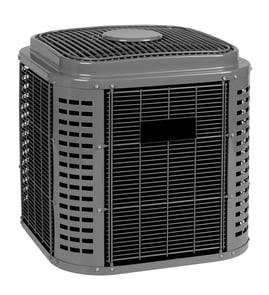
Yes, you can replace some parts on your Icp CA5542VKD2 outdoor central air conditioner unit yourself, but only for basic electrical and mechanical items. Anything that involves refrigerant lines, sealed-system work, or charging refrigerant should be handled by a qualified HVAC technician.
What you can usually replace yourself (DIY-friendly)
These tasks are typically straightforward if you can shut off power safely and match the replacement part exactly:
- Replace a run capacitor (after discharging it safely), such as cap rnrdv+ 12986
- Replace a contactor (common no-cool cause when contacts are burned or pitted)
- Replace a condenser fan motor (if the blade spins freely and wiring matches), such as motor 1085926
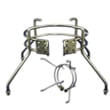
- Replace a fan motor mount if it is cracked or loose, such as central air conditioner condenser fan motor mount 1051460
- Replace damaged low-voltage or line-voltage wiring (with correct gauge and terminals), such as plug wire 1083654
What you should not DIY on a central AC outdoor unit
These repairs can create safety hazards, equipment damage, or code issues:
- Opening the refrigerant circuit (cutting, brazing, evacuating, charging)
- Replacing compressor-related sealed components
- Diagnosing refrigerant leaks or “topping off” refrigerant
- Any repair where you cannot positively identify every wire and terminal
Quick decision guide
| Job type | Typical DIY? | Why |
|---|---|---|
| Capacitor or contactor swap | Often yes | Common failure parts; no refrigerant handling |
| Fan motor replacement | Sometimes | Requires correct wiring, rotation, and mounting |
| Suction valve or refrigerant-side parts | No | Sealed-system work and specialized tools |
Why it matters
Your CA5542VKD2 is a high-voltage, outdoor HVAC unit. A “simple” part swap done incorrectly can cause repeated breaker trips, a burned condenser fan motor, or damage to the compressor. Doing only the safe, accessible repairs helps restore cooling without creating bigger failures.
Tips before you start
- Turn off power at the disconnect and the breaker; confirm power is off with a meter.
- Take clear photos of wiring before removing anything.
- Match the replacement part by model and part listing; do not guess on capacitor ratings.
- If you see melted wires, scorched terminals, or oil residue near refrigerant lines, stop and use a technician.
Last updated: February 2026
What are the 5 main parts of AC?
The five main parts of a typical split central AC system are the compressor, condenser coil, evaporator coil, expansion device (TXV or fixed orifice), and the electrical controls that start and protect the system. On the Icp CA5542VKD2 outdoor unit, the condenser-side parts and controls are key.
The 5 main parts (and what they do)
- Compressor: Pumps refrigerant and raises pressure and temperature.
- Condenser coil (outdoor coil): Releases heat to outdoor air.
- Evaporator coil (indoor coil): Absorbs heat from indoor air.
- Expansion device (TXV or orifice): Drops refrigerant pressure before the evaporator.
- Controls and electrical components: Switch and protect power (contactor, capacitor, wiring, safety devices).
How those parts relate to the CA5542VKD2 outdoor unit
The outdoor condenser section houses the compressor, condenser coil, condenser fan system, and several electrical components that make the unit start and run.
| System function | Typical location | Example CA5542VKD2 part you may replace |
|---|---|---|
| Move air across condenser coil | Outdoor unit top section | Motor 1085926 |
| Support condenser fan mounting | Outdoor unit fan assembly | Central air conditioner condenser fan motor mount 1051460 |
| Provide motor start/run support | Outdoor unit electrical compartment | Cap rnrdv+ 12986 |
Why it matters
When you know which “big parts” live in the outdoor unit versus the indoor unit, you can narrow symptoms faster. For example, a failed run capacitor can keep the condenser fan motor from starting even when the thermostat is calling for cooling.
Quick safety and troubleshooting notes
- Shut off power at the outdoor disconnect and the breaker before opening panels.
- If the unit hums but the fan will not start, the run capacitor is a common cause.
- If the fan runs but cooling is weak, airflow and coil cleanliness matter, but refrigerant-side issues require a qualified technician.
- For electrical testing basics, use how to use a multimeter to test electrical parts video.
Last updated: February 2026
What are the disadvantages of centralised AC?
Central (ducted) AC cools an entire home from one system, but it has clear tradeoffs: duct energy losses, less room-by-room temperature control, and more maintenance points. With an Icp CA5542VKD2 outdoor unit, many comfort issues start with ductwork and airflow, not the condenser.
Common disadvantages (and what they look like)
- Energy loss through ducts: Leaky or uninsulated ducts waste cooled air, especially in attics or crawlspaces.
- Higher whole-home runtime: Cooling unused rooms can increase operating cost versus zoned setups.
- Limited temperature control: One thermostat often means hot and cold spots.
- Air quality concerns: Dirty or damp ducts can circulate dust and odors.
- More components to maintain: Ducts, registers, and outdoor electrical and fan parts add service needs.
Quick comparison: central AC vs. zoned/ductless
| Feature | Central (ducted) AC | Zoned/ductless style systems |
|---|---|---|
| Room-by-room control | Limited | Strong |
| Duct losses | Possible | None |
| Comfort consistency | Depends on duct design | Depends on zone sizing |
| Maintenance focus | Filters, ducts, outdoor unit | Filters, indoor heads, outdoor unit |
Ways we reduce the downsides on a ducted system
- Seal and insulate ductwork; prioritize long runs in unconditioned spaces.
- Keep supply registers open and returns unblocked to prevent pressure and hot spots.
- Change filters on schedule to protect airflow and indoor air quality.
- If the outdoor fan is noisy, slow, or not running, inspect the motor 1085926 and the central air conditioner condenser fan motor mount 1051460.
- If you find damaged wiring at the outdoor unit, use safe repair practices from how to repair broken or damaged wires video.
Why it matters
Most “central AC” complaints are really airflow and control problems. Tight ducts, good filtration, and a reliable condenser fan system help your CA5542VKD2 cool more evenly and efficiently.
Last updated: February 2026
What is the most expensive part to replace on an AC unit?
On an Icp central air conditioner outside unit like model CA5542VKD2, the most expensive repair is typically the compressor (often the highest parts and labor cost). Other high-cost repairs can include major refrigerant-circuit components and some motors, but the compressor is usually the top expense.
What usually costs the most (and why)
The compressor is expensive because it is a sealed, high-load component in the refrigerant system; replacement often involves refrigerant recovery, brazing, evacuation, and recharge.
Common “big ticket” AC repairs include:
- Compressor (highest cost in most cases)
- Refrigerant leak repairs involving coil or line-set work
- Major refrigerant valves or service valves (sealed-system labor)
- Condenser fan motor replacement (moderate to high)
- Electrical failures that damage multiple components (contactor, capacitor, wiring)
How this relates to your CA5542VKD2 parts
On this model’s parts list, you will typically see lower-cost electrical service parts and higher-cost mechanical parts. For example, a run capacitor is usually far less expensive than a motor or sealed-system repair.
| Part type | What it does | Typical cost impact |
|---|---|---|
| Run capacitor | Helps start/run motors | Low to moderate |
| Contactor | Switches high voltage to the unit | Low to moderate |
| Condenser fan motor | Moves air across the condenser coil | Moderate to high |
| Compressor | Pumps refrigerant through the system | Highest |
If you are troubleshooting a “won’t start” or “hums then shuts off” complaint, checking the capacitor and contactor first is often the fastest path before assuming a compressor failure. A common capacitor option listed for this model is cap rnrdv+ 12986.
Why it matters
Knowing the most expensive part helps you prioritize diagnosis. Many “compressor-like” symptoms are actually caused by a weak capacitor, pitted contactor contacts, or damaged wiring, which are simpler repairs than sealed-system work.
Practical tips before replacing major parts
- Turn off power at the disconnect and breaker before opening the unit
- Inspect for burnt wires, loose spade terminals, and overheated connections
- Test the capacitor and contactor with proper meters
- Confirm the condenser fan spins freely and the motor isn’t seized
- If sealed-system work is suspected (refrigerant leak, compressor), use a qualified technician
For safe electrical testing basics, we recommend how to use a multimeter to test electrical parts video.
Last updated: February 2026