



How many years should a snowblower last?
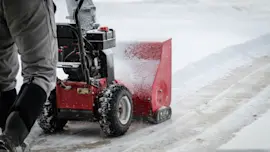
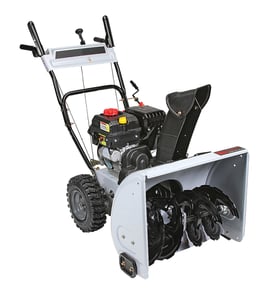
A gas snowblower like the Murray 622504X8 typically lasts 10 to 20 years. With consistent seasonal maintenance (oil changes, lubrication, and belt inspection), many units reach the high end of that range; heavy use in wet, icy snow shortens lifespan.
Typical lifespan ranges
Most snowblowers fall into these real-world ranges when they are maintained and stored correctly:
| Snowblower type | Typical lifespan | What most often ends it |
|---|---|---|
| Gas, homeowner-duty | 10 to 20 years | Drive/auger wear, corrosion, carburetor issues |
| Gas, heavy-duty | 15 to 25 years | Gearcase wear, engine compression loss |
| Electric (corded/battery) | 7 to 15 years | Motor/controller wear, battery aging |
What makes a snowblower last longer
We see the biggest lifespan gains from a few repeatable habits:
- Change engine oil on schedule and use the correct viscosity for winter temperatures.
- Keep fresh fuel in the tank; drain or stabilize fuel before off-season storage.
- Lubricate moving points (auger shaft, drive hex shaft, wheel hubs) to prevent rust and binding.
- Inspect belts, skid shoes, and the shave plate each season; replace before they fail mid-storm.
- Clear packed snow after use and store the machine dry to reduce corrosion.
A good maintenance baseline is covered in how to make your snowblower last longer.
Signs it is nearing end-of-life
A snowblower can still be repairable even when it is “old”, but these symptoms usually mean wear is stacking up:
- Repeated belt failures or slipping drive even after adjustment
- Auger does not pull snow consistently (binding, wobble, or excessive vibration)
- Hard starting that returns quickly after cleaning the carburetor and replacing the spark plug
- Excessive rust on the housing, chute, or fasteners that makes service difficult
- Frequent shear pin breaks from misalignment or worn auger components
Why it matters
A snowblower that is near the end of its service life is less reliable during heavy snowfall and can lose throwing distance and traction. Staying ahead of wear items helps your Murray 622504X8 start easier, drive stronger, and clear snow more consistently.
For model-specific replacement parts, use the parts list for Murray 622504X8 or search by model on Sears PartsDirect.
Last updated: February 2026
Is it worth fixing a snowblower?
Yes, it’s worth fixing a Murray snow thrower like model 622504X8 when the problem is a normal wear item (belt, skid shoes, shave plate, spark plug, carburetor cleaning) and the total repair cost stays under about half the price of a comparable replacement. When the engine has low compression or the drive system is badly worn, replacement makes more sense.
Quick decision checklist (repair vs. replace)
- Repair if it starts reliably, the auger and drive engage, and the issue is adjustment or maintenance.
- Repair if the fix is a common service item: belt, friction wheel, shear pins, scraper bar, skid shoes.
- Replace if it has repeated breakdowns every season and needs multiple major parts at once.
- Replace if the engine smokes heavily, knocks, or won’t run even after fuel and ignition service.
- Replace if the drive system slips badly in multiple speeds after cable adjustment.
Typical costs and what they usually mean
These are common ranges for gas snowblower repairs; your exact total depends on parts and labor.
| Repair type | What’s involved | Typical outcome |
|---|---|---|
| Basic tune-up | Fresh fuel, spark plug check, oil change | Restores starting and smoother running |
| Drive issue | Belt or friction drive service, cable adjustment | Restores forward/reverse movement |
| Auger issue | Shear pins, belt, chute/auger adjustments | Restores throwing performance |
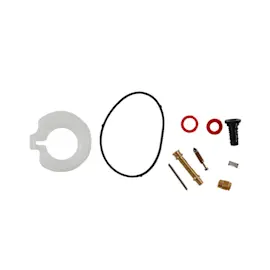
| Fuel system | Carburetor cleaning or replacement | Fixes surging, stalling, no-start |
Why it matters
A well-maintained snowblower can deliver many more seasons of service, and most “won’t move” or “won’t throw” complaints come from wear parts and adjustments, not a failed machine. Doing the right maintenance first prevents paying for unnecessary major repairs.
What we recommend doing first on model 622504X8
- Drain old fuel and refill with fresh, stabilized gas.
- Check the spark plug condition and gap.
- Change the engine oil if it’s dark or smells like fuel.
- Inspect belts for glazing, cracking, or slack.
- Lubricate the drive hex shaft and wheel hubs to prevent sticking and poor drive engagement.
For step-by-step help, use our DIY video: how to make your snowblower last longer. For parts lookup by model number and diagrams, search 622504X8 on Sears PartsDirect.
Last updated: February 2026
How to tell if a snowblower auger belt is bad?
On your Murray snow thrower model 622504X8, a bad auger belt shows up as weak or no snow throwing even though the engine runs normally. Common signs include the auger not turning under load, squealing, a hot rubber smell, or visible belt damage (cracks, fraying, glazing, or missing chunks).
Quick symptoms checklist
- Auger does not spin when you engage the auger control
- Auger spins but slows or stops as soon as it hits snow (belt slipping)
- Snow discharge is weak or inconsistent compared to normal
- Squealing or chirping noise when the auger is engaged
- Burning rubber smell after a short time of use
- Belt looks shiny (glazed), cracked, frayed, or stretched
What to inspect (with the engine off)
- Remove the key and disconnect the spark plug wire.
- Access the belt area and check the auger belt condition.
- Look for:
- Cracks across the ribs or on the flat side
- Fraying on edges
- Glazing (shiny, hardened surface)
- Rubber dust or belt debris in the belt cover
- Slack when the auger is engaged (often points to stretch or an idler/tension issue)
Belt condition vs. adjustment: what the symptoms usually mean
| What you notice | Most likely cause | What to do next |
|---|---|---|
| Auger never turns | Broken belt or belt off pulleys | Inspect routing; replace belt if damaged |
| Auger turns, then slips in snow | Worn or stretched belt; weak tension | Check idler pulley and cable adjustment |
| Squeal + burning smell | Belt slipping from wear, oil contamination, or low tension | Clean pulleys; correct tension; replace belt |
| Belt looks OK but performance is poor | Belt stretched or idler spring/cable out of adjustment | Verify engagement and tension under load |
Why it matters
A slipping auger belt reduces throwing power and can overheat, which accelerates belt failure and can also wear pulleys and idler components. Catching belt wear early helps your 622504X8 clear snow reliably and prevents mid-storm breakdowns.
Helpful DIY guidance
- Use our video guide: how to replace a snowblower belt video
If you’re ready to replace the belt, use the parts list for model 622504X8 to match the correct auger belt and related hardware, or search by model at Sears PartsDirect.
Last updated: February 2026
Should I spray my snowblower with WD-40?
Yes, you can use WD-40 on your Murray snow thrower model 622504X8 to help reduce snow sticking in the chute and to displace moisture on metal surfaces; apply it lightly and only on non-friction, non-belt areas so you do not cause slipping or damage.
Where WD-40 helps (and where it does not)
Use it as a short-term slicking and moisture-displacing spray, not as a primary lubricant.
- OK to spray lightly: inside the discharge chute, chute deflector, and other painted metal surfaces where snow packs
- OK for storage wipe-down: exposed metal to help reduce surface rust after use
- Do not spray: belts, pulleys, friction disc/drive plate area, tires, or any braking surfaces
- Avoid soaking: bearings and bushings (use the correct grease or oil instead)
- Avoid spraying directly: the engine, muffler, or hot surfaces (spray on a rag first if needed)
Quick application steps (best practice)
- Turn the snowblower off and let it cool.
- Brush out packed snow and ice from the chute and auger housing.
- Spray a light coat on the chute interior and deflector; wipe excess so it does not drip.
- Run the machine briefly to confirm the drive and auger engage normally (no slipping).
WD-40 vs alternatives (what to choose)
| Option | Best use | Typical downside |
|---|---|---|
| WD-40 | Quick moisture displacement; short-term slick surface | Can attract grime; can cause slipping if oversprayed |
| Silicone spray | Chute slicking; longer-lasting snow-shedding | Overspray still needs control |
| Dry PTFE spray | Low-residue slicking | Can be harder to find locally |
| Cooking spray | Emergency chute slicking | Gets gummy; attracts dirt |
Why it matters
On a snowblower like the Murray 622504X8, anything that reduces chute clogging helps maintain throwing distance and prevents strain on the auger and impeller. The key is keeping sprays away from the drive system so you do not create a slipping problem.
Helpful DIY video
If you are fighting clingy snow and static-related issues, we recommend: how to install a static charge grounding kit on your snowblower video.
For model-based diagrams and to look up maintenance items (belts, skid shoes, shave plate, spark plug, shear pins), use the parts list for 622504X8 or search by model at Sears PartsDirect.
Last updated: February 2026
Who manufactures Murray snow blowers?
Murray snow blowers, including model 622504X8, are manufactured for the Murray brand by Briggs & Stratton (the company associated with the Murray brand and commonly used Murray engine and parts platforms). For model-specific replacement parts, we recommend searching by the full model number on Sears PartsDirect.
What this means for parts and service
Because Murray snow throwers are closely tied to Briggs & Stratton engine and hardware families, many maintenance and repair items are selected by:
- Engine model/type code (on the engine label), not just the snowblower model number
- Snowblower model number (for chassis items like belts, skid shoes, and chute parts)
- Serial number range (some parts change mid-production)
Quick ID checklist (before ordering parts)
Use this checklist to avoid ordering the wrong carburetor, spark plug, belt, or friction-drive part:
- Confirm the snowblower model number is 622504X8
- Locate the engine label and write down the model and type code
- Note whether your unit is single-stage or two-stage (affects auger and drive parts)
- Inspect the wear items you need (belt width, skid shoe shape, shear pin style)
- Compare photos and measurements to the parts listing for your exact model
Common parts that vary by engine vs. chassis
| Part type | Usually chosen by | Examples |
|---|---|---|
| Engine tune-up parts | Engine model/type | Spark plug, air filter, carburetor parts |
| Drive system parts | Snowblower model | Drive belt, friction wheel, pulleys |
| Snow handling parts | Snowblower model | Auger components, chute control parts, scraper bar |
Why it matters
Knowing who manufactures the Murray platform helps you match the correct engine parts and snowblower chassis parts the first time, which prevents hard-starting issues, poor throwing performance, and premature belt or drive wear.
Helpful DIY guidance
If you are working on common snowblower maintenance, we recommend: how to check a snowblower spark plug video.
Last updated: February 2026