Owner’s manual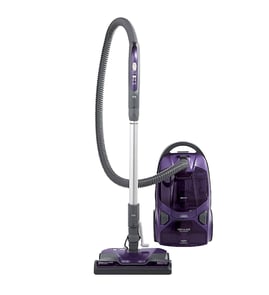





What model is my Kenmore vacuum?
Your Kenmore canister vacuum’s model number is printed on the model and serial number plate on the vacuum body; for this series, you’ll typically see 721.24195 (and your full Sears model may appear as 72124195500). The fastest confirmation is to match the plate to the 72124195500 owner's manual.
Where to find the model and serial number plate
Check these common locations on a Kenmore canister vacuum like model 72124195500:
- On the canister housing near the rear wheels
- On the underside of the canister base
- Near the cord rewind area or power switch
- Inside or near the dust bag compartment door
- On a label close to the hose connection port
How to read the number you see
Kenmore vacuums often show a shortened “model” on the manual and a longer Sears model on the rating plate.
| What you see | Example | What it means |
|---|---|---|
| Manual model format | 721.24195 | Model family used in the owner’s manual |
| Sears full model format | 72124195500 | Full model used for parts lookup and ordering |
| Serial number | (varies) | Identifies your specific unit for service history |
Why it matters
Using the exact model number helps us match the correct parts and diagrams for your vacuum cleaner parts, especially for fit-critical items like a dust bag, filters, latches, and screws.
Quick tip for ordering parts
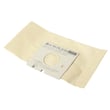
When you order, use the full model 72124195500 and match the part description to your vacuum’s diagram. For example, if you’re replacing the bag, confirm the style and fit before ordering a dust bag 5231FI3779A.
Last updated: January 2026
Is Kenmore still a good vacuum?
Kenmore canister vacuums like model 72124195500 are built for dependable everyday cleaning when they’re assembled correctly and maintained on schedule (especially dust bag and filters). In our experience, performance stays strong when airflow is kept clear and wear items are replaced before they restrict suction.
What “good” looks like for this Kenmore canister vacuum
A good vacuum is one that keeps suction consistent, seals properly, and is easy to maintain. For the Kenmore 72124195500, that usually comes down to routine care steps outlined in the 72124195500 owner's manual.
Key signs it’s performing as it should:
- Strong suction at the hose end and at the floor nozzle
- No burning smell or unusual motor noise
- Dust stays contained (no visible leaks at the bag door)
- Attachments fit securely and don’t whistle from air leaks
Maintenance that keeps Kenmore performance high
Most “Kenmore isn’t good anymore” complaints trace back to restricted airflow or overdue consumables.
Do these basics:
- Replace the dust bag when it’s about 1/2 to 2/3 full (overfilling reduces airflow fast)
- Check and clean the motor safety filter as directed
- Inspect the hose and wand for clogs (coins, socks, pet hair plugs)
- Clean hair and thread from the brush/nozzle if your setup includes one
- Keep seals and latches clean so the bag compartment closes tightly
If you need the correct bag for this model, match it to the model’s parts listing; the dust bag 5231FI3779A is a common replacement item for this vacuum.
Quick troubleshooting: “good vacuum” vs “needs service”
| Symptom | Most common cause | What to do first |
|---|---|---|
| Weak suction | Full bag or clog | Replace bag; check hose/wand for blockage |
| Dust smell | Dirty filter or bag leak | Clean/replace filter; reseat bag and door |
| Loud/whining noise | Air leak or restriction | Check seals, bag seating, and clogs |
| Poor pickup on carpet | Brush/nozzle buildup | Clean nozzle and remove wrapped debris |
Why it matters
A canister vacuum’s cleaning power is mostly airflow. When the bag, filters, or hose restrict airflow, even a well-built Kenmore will feel underpowered. Keeping the bag and filters fresh is the simplest way to protect suction and motor life.
Last updated: January 2026
How long should a Kenmore vacuum last?
Most Kenmore canister vacuums, including model 72124195500, typically last 5 to 10 years with normal household use and routine maintenance (bag changes, filter care, and keeping airflow clear). Following the care steps in the 72124195500 owner's manual helps you get the longest service life.
What affects vacuum lifespan most
- Dust bag and filter maintenance: a full bag or clogged filter makes the motor work harder
- Airflow restrictions: blockages in the hose, wand, or nozzle reduce suction and increase heat
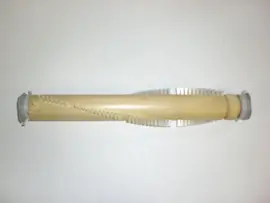
- Belt and brush wear: worn parts reduce cleaning performance and can strain the nozzle drive
- How often you vacuum: daily use wears consumables faster than weekly use
- Storage and handling: cord yanks, drops, and tight hose kinks shorten life
Maintenance schedule we recommend
| Task | Typical interval | Why it matters |
|---|---|---|
| Replace dust bag | When 1/2 to 2/3 full | Protects suction and reduces motor strain |
| Clean/replace filters (as applicable) | Monthly check | Prevents overheating and odor |
| Check hose/wand for clogs | Monthly or when suction drops | Restores airflow quickly |
| Inspect belt/brush (as applicable) | Every 3 to 6 months | Keeps pickup strong on carpet |
If you need the correct replacement bag for this model, use the dust bag 5231FI3779A listed for Kenmore 72124195500.
Signs it is nearing end of life
- Suction stays weak even after a new bag and cleared clogs
- Burning smell, unusual heat, or frequent shutoffs
- Loud grinding/whining from the motor or nozzle
- Cracked hose, loose electrical connections, or intermittent power
Why it matters
A canister vacuum usually fails early from restricted airflow and overdue consumables. Keeping the bag, filters, and air path clean reduces motor load and heat, which is the biggest driver of long-term reliability.
Last updated: January 2026
Who makes Kenmore canister vacuums now?
Kenmore is a brand, not a single manufacturer; Kenmore canister vacuums (including model 72124195500) have been produced by different manufacturers over time. The most reliable way to identify who built your specific unit is to check the manufacturer information and parts list in the 72124195500 owner's manual.
How to identify the manufacturer for your specific vacuum
We recommend using the documentation and the product label so you match parts and service information correctly.
- Check the model and serial number plate on the canister body
- Compare the model format shown in the manual (for example, 721.24195) to your label
- Use the parts list in the manual to confirm the correct component family (bags, belts, filters)
- Match replacement items by part number or part ID, not by appearance alone
- If you are ordering consumables, confirm the exact bag style and fit before purchasing
What “Kenmore” means for parts and repairs
Kenmore-branded vacuums are commonly sourced from multiple OEMs; that is why two Kenmore canister vacuums can use different dust bags, belts, or brush assemblies even if they look similar.
| What you’re checking | Where to look | What it tells you |
|---|---|---|
| Model number | Rating plate on the vacuum | Which parts diagrams apply |
| Serial number | Rating plate on the vacuum | Production run details |
| Parts list | Manual parts list section | Exact replaceable components |
| Bag type | Manual “Changing the dust bag” section | Correct bag fit and sealing |
Parts that are commonly manufacturer-specific
If you are troubleshooting fit issues or poor suction, these items are the most sensitive to OEM differences:
- Dust bag (fit, collar shape, seal)
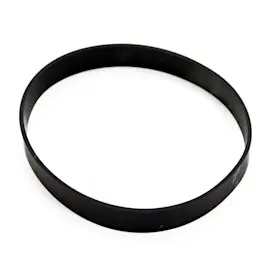
- Belt (length and profile)
- Filters (size and gasket style)
- Nozzle and brush components
For this model, a common replacement item is the dust bag 5231FI3779A.
Why it matters
Identifying the correct manufacturer and matching the exact model information prevents wrong-part orders and helps restore suction, airflow, and sealing performance after routine maintenance.
Last updated: January 2026