Installation guide
 Owner’s manual
 Error Codes


How to identify a KitchenAid dishwasher model?
You can identify your KitchenAid dishwasher model by finding the rating label on the inside edge of the door; it lists the model number and serial number. For the KitchenAid KUDI01DLBS6, that label is the quickest way to confirm you have the right dishwasher for parts and service.
Where to look on the dishwasher
Check these common label locations first:
- Inside the door opening along the left side of the tub frame
- Along the top edge of the door (visible when the door is open)
- On the side edge of the door itself
- Near the lower front frame behind the toe panel (less common)
Use the location diagrams and identification notes in the KUDI01DLBS6 owner’s manual.
What to write down (and why)
Record both numbers exactly as shown.
| Item on label | What it’s used for | Example format |
|---|---|---|
| Model number | Matching correct parts diagrams and assemblies | KUDI01DLBS6 |
| Serial number | Determining production series and service details | Letters and numbers |
Tips to avoid common mistakes
- Copy every character; model numbers often differ by just 1 digit or letter.
- Use the full model number, not just “KitchenAid dishwasher.”
- If the label is worn, take a clear photo and zoom in to confirm characters.
- Match the model number on the label to the one you search for parts.
Why it matters
KitchenAid dishwashers can use different racks, pumps, and door hardware across similar-looking models. Confirming the exact model number helps ensure parts like a dishrack or water inlet valve fit and function correctly.
Last updated: February 2026
How to fix rubber seal on KitchenAid dishwasher?
On KitchenAid dishwasher model KUDI01DLBS6, fixing the rubber door seal usually means reseating the door gasket evenly into its channel and then keeping the door closed for a few hours so the gasket relaxes into shape. Use the steps and gasket routing shown in the KUDI01DLBS6 owner’s manual.
Quick fix steps (reseat the gasket)
- Turn off power at the breaker; open the door and inspect the gasket for twists, gaps, or tears.
- Starting at the top center, press the gasket bead into the channel using your fingers; work evenly down both sides.
- Make sure the gasket is fully seated at corners; corners are where leaks start most often.
- Wipe the gasket and the tub lip with warm water and mild soap; remove grease and detergent film.
- Close and latch the door for 2 to 4 hours to help the gasket conform.
- Run a short cycle and check for drips along the bottom corners and hinge side.
When the seal needs replacement (not just reseating)
A door gasket that is hardened, split, or permanently flattened will keep leaking even after reseating.
| What you see | What it usually means | What to do |
|---|---|---|
| Visible crack or tear | Gasket is damaged | Replace the gasket |
| Gasket feels stiff or brittle | Heat and age breakdown | Replace the gasket |
| Leak only at one corner | Gasket not seated or door alignment issue | Reseat gasket; check door closing |
| Water at bottom front | Door not sealing evenly | Check hinges and springs |
Related parts to check if the door won’t seal evenly
If the door drops, won’t stay at the same angle, or closes “crooked,” the gasket may be fine but the door hardware is not.
- Door spring tension (weak or broken spring)
- Hinge movement (binding or worn hinge)
- Door closing force (spring imbalance side-to-side)
If you find a weak spring on this model, we match it by model number; a common related part is the dishwasher door spring WP8270020.
Why it matters
A properly seated door gasket prevents leaks that can wet the toe panel area, cause odors, and reduce wash performance by letting spray escape instead of circulating inside the tub.
Last updated: February 2026
What's the average lifespan of a KitchenAid dishwasher?
A KitchenAid dishwasher typically lasts 10 to 14 years with normal household use. For your KitchenAid KUDI01DLBS6, consistent maintenance and quick repairs (especially for wash/drain issues and rack wear) are what most often determine whether it reaches the high end of that range.
What affects lifespan the most
- Water quality: hard water speeds up mineral buildup on internal parts.
- Cleaning and maintenance: keeping the tub, filters, and spray paths clear reduces strain.
- Loading habits: stable loading helps prevent breakage and reduces wear from items striking.
- Drain and fill performance: slow draining or weak filling makes the motor work harder.
- Heat and drying performance: heating-related problems can shorten overall reliability.
Maintenance that helps you get the full life
Use the care and troubleshooting steps in the KUDI01DLBS6 owner’s manual as your baseline, then focus on these habits:
- Run hot water at the sink before starting a cycle (helps fill temperature).
- Clean the interior and wash system regularly (food soil and grease add load).
- Check and clear the drain path if you notice standing water.
- Inspect door sealing surfaces and keep them clean and smooth.
- Address unusual grinding or buzzing quickly; persistent noise often points to a foreign object in the wash module.
Common “wear-out” items vs. “long-life” items
| Area | What commonly wears first | Example part for KUDI01DLBS6 |
|---|---|---|
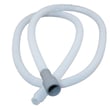
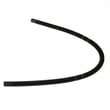
| Draining | Hose kinks, clogs, slow drain | Dishwasher drain hose 8269144A |
| Filling | Slow fill, no fill, water level issues | Dishwasher water inlet valve WP8531669 |
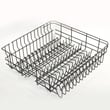
| Racks | Coating wear, rust spots, broken tines | Dishrack W10728159 |
Why it matters
Knowing the typical 10 to 14 year lifespan helps you decide when a repair is a smart investment. If your KUDI01DLBS6 is cleaning well and only needs a targeted part (like a drain hose or inlet valve), repairs often restore performance and extend service life.
Last updated: February 2026
What is the most common problem with KitchenAid dishwashers?
The most common KitchenAid dishwasher problem we see is poor cleaning (dishes come out dirty) caused by restricted water flow through the wash system, often from clogged spray paths, loading issues, or a weak wash pump. On the KitchenAid KUDI01DLBS6, start with cleaning and loading checks before replacing parts.
Quick checks that fix the most “dirty dishes” complaints
- Load items so they are stable and do not strike each other; crowded racks block spray coverage (see the KUDI01DLBS6 owner’s manual).
- Confirm the spray arm spins freely and is not hitting tall pans or a utensil.
- Use fresh detergent and avoid overfilling the dispenser.
- Run hot water at the sink until it is hot before starting the cycle (improves wash performance).
- Clean the tub and wash system regularly (grease and mineral buildup reduce spray pressure).
Other common KitchenAid dishwasher problems (and what they usually point to)
| Symptom | Most common cause | Parts that often relate (if needed) |
|---|---|---|
| Standing water after cycle | Drain restriction or drain path issue | Dishwasher drain hose 8269144A |
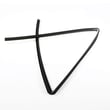
| Leaks at the door | Worn or mis-seated door seal | Gasket W11196317 |
| Buzzing or grinding noise | Hard object in wash module area | Service inspection after a full cycle |
| Won’t fill or fills slowly | Water supply issue or inlet valve problem | Dishwasher water inlet valve WP8531669 |
Why it matters
Poor cleaning is usually a water flow and coverage problem; fixing loading, spray movement, and basic maintenance restores normal wash pressure and prevents repeat issues like noise, leaks, and premature pump wear.
When to move from troubleshooting to diagnosis
- Cleaning and loading changes do not improve results after 2 to 3 cycles.
- You hear persistent grinding/buzzing after a complete cycle.
- You see recurring standing water or a recurring leak.
For fault displays and diagnostic direction, use KitchenAid he dishwasher error codes.
Last updated: February 2026