
 Installation guide
 Owner’s manual
 Error Codes



How much does it cost to run an electric dryer for 1 hour?
For a GE GTDP300EM1WS electric dryer, running for 1 hour typically costs about $0.40 to $0.90, based on common dryer power use (around 3 to 5 kWh per hour) and typical U.S. electricity rates. Your exact cost depends on your local $/kWh and cycle heat level.
Use this formula:
- Cost per hour = kW × 1 hour × your electricity rate ($/kWh)
- If your dryer is rated in watts, convert to kW: watts ÷ 1,000 = kW
- Electric dryers commonly draw 3,000 to 5,000 watts while heating (3 to 5 kW)
Examples (typical):
- 3.0 kW × $0.15/kWh = $0.45 per hour
- 4.5 kW × $0.20/kWh = $0.90 per hour
- 5.0 kW × $0.12/kWh = $0.60 per hour
These factors move the number up or down quickly:
- Your utility rate (the biggest driver)
- Cycle selection (high heat vs low heat, timed dry vs auto)
- Vent restriction (long runs, crushed duct, clogged hood)
- Lint buildup (screen, housing, blower area)
- Load size and fabric type (towels cost more than light synthetics)
Your GTDP300EM1WS installation instructions call for 4-inch (102 mm) exhaust ducting and warn that exhaust longer than the specified length increases drying time and energy cost. Reviewing the venting requirements in the installation guide helps you keep airflow strong and run times shorter.
- Clean the lint screen before every load
- Confirm the outside damper opens and closes freely
- Use 4-inch metal duct (rigid is best)
- Keep the duct run as short and straight as possible
- Avoid plastic or foil-style ducting
| Electricity rate ($/kWh) | 3 kWh/hour | 5 kWh/hour |
|---|---|---|
| $0.12 | $0.36 | $0.60 |
| $0.15 | $0.45 | $0.75 |
| $0.20 | $0.60 | $1.00 |
If long dry times are driving up cost, common airflow-related repairs include replacing a worn blower wheel or servicing thermostats. You can order model-matched parts from the parts list for GTDP300EM1WS, or search by model on Sears PartsDirect.
Last updated: February 2026
What is the lifespan of a GE dryer?
A GE electric dryer like model GTDP300EM1WS typically lasts 10 to 13 years with normal household use. Keeping airflow strong (clean lint system and correct 4-inch outdoor venting) and fixing wear parts early are the biggest factors in reaching the high end of that range.
Most dryers fail early because of heat and airflow stress, or because drum support parts wear and start damaging other components.
- Vent restriction (crushed duct, long runs, lint buildup) increases heat and run time
- Overloading accelerates wear on drum glides, bearings, and the drive motor
- Skipping lint cleaning reduces airflow and raises operating temperatures
- Ignoring noises (squeal, thump, scraping) often leads to bigger repairs
- Electrical issues (wrong circuit, loose connections) can shorten component life
We recommend following the venting and safety guidance in the installation guide. For this GE electric dryer, correct exhaust setup matters because restricted airflow increases drying time, energy use, and wear.
- Clean the lint screen every load; wash and dry it periodically to remove residue
- Inspect the vent path and wall cap regularly; keep the duct 4-inch metal and routed to the outdoors
- Keep the dryer area above 50°F for proper control operation
- Stop using the dryer if you smell burning; check for lint blockage and overheating
- Address drum noise early; worn glides and bearings can lead to drum or motor strain
If your GTDP300EM1WS starts getting noisy or takes longer to dry, these parts are frequent contributors:
| Symptom | Common cause | Example part on this model |
|---|---|---|
| Squealing, scraping, or rough drum movement | Worn drum support surfaces | Dryer drum glide bearing (green) WE03X37317, dryer drum front glide pad WE03X37318 |
| Long dry times with good heat | Weak airflow from internal lint buildup or damaged air path | Air duct assembly WE14X25080 |
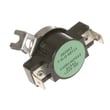
| No heat or overheating shutdowns | Heating or thermostat issues | Mica unit WE11M10001, dryer high-limit thermostat WE4M137 |
A dryer that runs hotter or longer than normal wears out faster and costs more to operate. Proper venting and early replacement of drum support parts help protect major components like the drum, heater, and drive motor.
For replacement parts for GTDP300EM1WS, use the parts list for this model or search by model number on Sears PartsDirect.
Last updated: February 2026
What is the most common problem with a GE dryer?
For a GE electric dryer like model GTDP300EM1WS, the most common problem we see is no heat or poor drying, and the most common root cause is restricted airflow (lint buildup or an overly long or crushed vent). Airflow problems increase drying time, raise energy use, and can overheat safety controls.
- Runs but no heat: heating circuit issue (heater, thermostat, safety device) or airflow overheating.
- Takes too long to dry: vent restriction, lint blockage, or weak airflow.
- Stops mid-cycle: overheating from poor venting can trip safety controls.
- Loud squeal or scraping: worn drum support parts (glides/bearing).
- Won’t start: power supply issue, door switch, timer, or motor circuit problem.
Your installation instructions for this dryer call out key venting rules, including exhausting outdoors and using 4-inch rigid metal duct with length kept within the exhaust length table. Use these checks first:
- Clean the lint screen and confirm strong airflow at the outside vent hood.
- Replace any plastic venting; avoid crushed or kinked duct.
- Keep the vent run as short and straight as possible; reduce elbows.
- Confirm the dryer is installed where temps stay above 50°F for proper control operation.
| Symptom | Common area to inspect | Example part on this model page |
|---|---|---|
| No heat / overheating shutdown | High-limit control | Dryer high-limit thermostat WE4M137 |
| No heat / weak heat | Heating circuit | Mica unit WE11M10001 |
| Long dry times | Air movement | Dryer blower wheel WE16X20393 |
| Squeaking or scraping | Drum support | Dryer drum glide bearing (green) WE03X37317 |
| Won’t advance / timing issues | Controls | Dryer timer WE4M533 |
Airflow is the foundation of drying performance. When venting is restricted, the dryer can overheat, trip safety thermostats, and still leave clothes damp. Fixing venting first often prevents repeat failures of heating and safety parts.
- Use the installation guide to confirm correct venting (4-inch duct, outdoors exhaust, and maximum duct length limits).
- Order replacement parts for GTDP300EM1WS from the parts list for this model, or search by model number on Sears PartsDirect.
Last updated: February 2026
Where is the part number on a GE dryer?
On your GE GTDP300EM1WS electric dryer, the model and serial label (used to identify the correct replacement parts) is typically found on the dryer cabinet opening when you open the door. Some versions also place an ID label on the back near the top.
- Open the dryer door and check the cabinet frame around the door opening
- Look along the inside edge of the front panel near the lint screen area
- Check the back of the dryer near the top (especially if the door label is worn)
- If the label is hard to read, use a flashlight and take a close-up photo
For ordering parts, we use the model number and sometimes the serial number from the label.
| What you’ll see on the label | Why it matters | Example for this dryer |
|---|---|---|
| Model number | Matches parts to the exact design | GTDP300EM1WS |
| Serial number | Helps confirm production run details | Varies by unit |
| Electrical rating | Confirms power requirements | Varies by label |
GE often makes small design changes within a model family. Using the exact GTDP300EM1WS model number from the label helps ensure you get the right items the first time, such as a thermostat, heating element, or drum support parts.
Once you have the model number, you can order parts from the parts list for GTDP300EM1WS, or search by model on Sears PartsDirect. For installation and identification details, keep your installation guide with your paperwork.
Last updated: February 2026
How much to replace a GE dryer motor?
For the GE GTDP300EM1WS electric dryer, replacing the drive motor typically costs about $100 to $250 for the motor part, plus labor if you hire service. On this model, the listed dryer drive motor WE17X22217 is a common replacement when the drum will not tumble.
Motor replacement cost depends on whether you DIY or hire a technician.
- Motor part: commonly $100 to $250 (model and supplier dependent)
- Labor: often 1 to 2 hours for diagnosis and replacement
- Extra parts: sometimes needed if wear caused the failure (belt, idler, glides)
- Service call/diagnostic fee: may apply if you hire service
| Cost item | Typical range | Notes |
|---|---|---|
| Drive motor (part) | $100 to $250 | Motor only; price varies by model and availability |
| Labor | 1 to 2 hours | Accessing the motor requires cabinet disassembly |
| Related wear parts | $10 to $120+ | Common if the dryer was squealing or dragging |
If the motor failed after months of noise, rubbing, or a hard-start condition, we often see additional worn support parts.
- Dryer drive motor WE17X22217
- Dryer drum glide bearing (green) WE03X37317
- Dryer drum front glide pad WE03X37318
- Dryer blower wheel WE16X20393 (if it is cracked, stripped, or rubbing)
These checks help separate a bad motor from a belt issue, door switch issue, or airflow overheating problem.
- Drum does not turn but you hear a hum (motor struggling to start)
- Dryer starts, then stops quickly (motor overload opening)
- Burning smell or repeated tripped breaker (stop using the dryer and inspect)
- Drum is hard to turn by hand (glides/bearing drag can overload the motor)
A weak motor can overheat, stop mid-cycle, or fail to tumble the drum, which leads to long dry times and extra wear on the belt, drum supports, and blower housing. Using the correct wiring and grounding practices during service also helps prevent electrical hazards.
For model-specific disassembly notes and electrical safety basics, follow the installation guide. For ordering, use the parts list for GTDP300EM1WS on this page, or search by model at Sears PartsDirect.
Last updated: February 2026





