Owner’s manual
 Error Codes




Which is better, top mount or bottom mount refrigerator?
For most households, a bottom-mount refrigerator like the KitchenAid KBFS20EVMS11 is better for everyday convenience because fresh foods sit at eye level and you bend less. A top-mount is often the better pick when you want a simpler layout and typically lower upfront cost.
Quick comparison
| Feature | Top-mount (freezer on top) | Bottom-mount (freezer on bottom) |
|---|---|---|
| Everyday access | Freezer is easiest to reach | Fresh food is easiest to reach |
| Ergonomics | More bending for fridge items | Less bending for fridge items |
| Organization | Often simpler shelves/bins | Often more fridge storage flexibility |
| Efficiency (typical) | Often slightly better | Varies by model and usage |
How we recommend choosing
- If you cook often and use fresh ingredients daily, choose bottom-mount.
- If you use the freezer more than the fridge, choose top-mount.
- If you want easier organization for produce, deli, and leftovers, choose bottom-mount.
- If you want a straightforward design with fewer drawers to manage, choose top-mount.
- If you are comparing sizes, confirm door swing, clearances, and storage features in the KBFS20EVMS11 owner's manual.
Why it matters
The “better” style is the one that matches how you reach for food. Bottom-mount designs reduce bending for the items most people use most (fresh food), while top-mount designs prioritize quick freezer access and often keep the layout simpler.
Tips to get the most from a bottom-mount
- Keep frequently used items on the middle shelves to reduce door-open time.
- Avoid overpacking the freezer drawer so air can circulate.
- Keep door seals clean and check for gaps if you notice temperature swings.
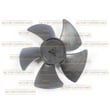
- Use the right replacement parts when performance issues show up (for example, cooling airflow problems can involve the evaporator fan system).
Last updated: January 2026
What is the advantage of a bottom mount fridge?
A bottom-mount refrigerator like the KitchenAid KBFS20EVMS11 puts the fresh-food compartment at about eye level, so you reach everyday items with less bending. The freezer stays in the lower drawer, which many people prefer for comfort and organization (especially for frequently used refrigerated foods).
Key advantages you will notice day to day
- Easier access to fresh foods (milk, produce, leftovers) because the refrigerator section is higher
- Less bending and squatting compared with top-freezer designs
- Freezer drawer can hold bulky items and stacks well with baskets/dividers
- Better visibility of refrigerated items, which helps reduce forgotten food and odors
- Often feels more ergonomic for households that cook frequently
Bottom-mount vs top-freezer: quick comparison
| Feature | Bottom-mount | Top-freezer |
|---|---|---|
| Most-used section | Refrigerator | Refrigerator |
| Bending for daily items | Less | More |
| Freezer access | Pull-out drawer | Swing door |
| Best for | Fresh-food heavy use | Simple, budget-focused use |
Why it matters
Most households open the refrigerator section far more than the freezer. With a bottom-mount layout, we see customers get faster access to fresh foods and less strain on backs and knees, while still keeping frozen storage in a large, easy-to-load lower drawer.
Helpful owner tips for this style
- Keep frequently used items on the middle shelves for the quickest access
- Avoid blocking air vents with large containers so temperatures stay even
- If doors do not close smoothly, check leveling and door alignment steps in the KBFS20EVMS11 owner’s manual
- If you notice warm spots or poor airflow, review evaporator fan troubleshooting in how to fix your evaporator cooling fan
Last updated: January 2026
What is the average lifespan of a KitchenAid refrigerator?
Most KitchenAid refrigerators last 14 to 17 years on average, and a typical overall lifespan range is 10 to 20 years with normal use and basic maintenance. For your KitchenAid KBFS20EVMS11 bottom-mount refrigerator, keeping airflow clear and seals tight is what most often extends service life.
Typical lifespan and what affects it
A refrigerator’s life is usually determined by compressor workload, temperature stability, and how well the doors seal.
- Maintenance level: clean coils, clear vents, replace filters on schedule
- Usage: frequent door openings and warm food loads increase run time
- Installation conditions: tight cabinets and high room temps raise compressor stress
- Water system health: leaks or restricted flow can create ice maker and dispenser issues
- Door seal condition: warm air leaks cause longer run times and frost
Quick maintenance checklist (best ROI)
Use these habits to help your KBFS20EVMS11 reach the upper end of the lifespan range:
- Vacuum dust from the condenser area regularly
- Keep food from blocking interior air vents
- Confirm doors close fully and don’t “bounce” open
- Replace the water filter on schedule (if equipped)
- Fix small issues early (noisy fan, slow ice production, puddles)
Common “wear items” vs. major repairs
| Item type | Examples | Why it matters |
|---|---|---|
| Wear items | door gasket, water filter head, inlet valve | Prevents air leaks and water problems that strain cooling |
| Cooling airflow parts | evaporator fan motor, fan blade | Poor airflow causes warm temps and longer compressor run time |
| Major system parts | compressor, control board | Higher-cost repairs that often show up later in life |
If you’re already seeing warm temperatures or heavy frost, checking airflow and the evaporator fan is a smart first step; our how to fix your evaporator cooling fan guide walks through the common causes.
Why it matters
A refrigerator that runs longer to maintain temperature uses more energy and wears the sealed system faster. Simple steps like keeping the condenser area clean and replacing a torn gasket can add years of reliable cooling.
For model-specific operating and care guidance, follow the maintenance and cleaning schedule in the KBFS20EVMS11 owner's manual.
Last updated: January 2026
What is the most common problem with a KitchenAid refrigerator?
For KitchenAid refrigerators like model KBFS20EVMS11, the most common issues we see are ice maker problems (no ice, slow ice, small cubes) and cooling complaints (warm fridge or freezer). These are often tied to airflow restrictions, water supply problems, or normal maintenance items.
Most common symptoms and what they usually point to
- Ice maker not making ice or slow production: water supply restriction, clogged filter, or a failing ice maker module
- Fridge warm but freezer cold (or vice versa): weak airflow from the evaporator area, frost buildup, or a fan issue
- Water leaking or puddles: defrost drain restriction or a loose water connection
- Noisy operation: evaporator fan noise, condenser area vibration, or ice maker cycling
- Lights not working when door opens: door switch issue
Quick checks we recommend first (before buying parts)
Use these steps for KBFS20EVMS11 to narrow the problem fast; then confirm model-specific procedures in the KBFS20EVMS11 owner's manual.
- Verify temperature settings (typical targets: 0°F freezer, 37°F fresh food)
- Make sure vents are not blocked by food packages
- Clean condenser coils and confirm the unit has proper airflow around it
- For ice maker issues, confirm the shutoff arm or switch is in the ON position and the fill tube is not frozen
- For water/ice issues, confirm household water supply is fully open and the line is not kinked
Parts that commonly solve these problems on KBFS20EVMS11
If troubleshooting points to a failed component, these are common replacements for this model:
| Problem area | Common suspect part | Example part for this model |
|---|---|---|
| Ice production stops or is inconsistent | Ice maker assembly | Refrigerator ice maker assembly W10884390 |
| Warm temps, poor airflow, fan noise | Evaporator fan motor | Refrigerator evaporator fan motor WPW10128551 |
| Water dispenser or ice maker not filling | Water inlet valve | Refrigerator water inlet valve assembly WPW10420083 |
| Door not sealing, moisture/frost | Door gasket | Refrigerator door gasket W10830162 |
Why it matters
Ice maker and cooling problems can look “electronic,” but they are often caused by airflow, sealing, or water supply issues. Fixing the root cause protects food temperatures, reduces frost buildup, and helps the compressor run less.
Last updated: January 2026