Owner’s manual
 Error Codes



How big is the KitchenAid KSRS25FTSS01?
The KitchenAid KSRS25FTSS01 is a full-size side-by-side refrigerator; most models in this class measure about 33 inches wide, 65 to 71 inches tall, and 30 to 34 inches deep (depth varies with handles). For the exact dimensions and capacity for your unit, use the KSRS25FTSS01 owner's manual.
We recommend checking three measurements so the refrigerator fits your space and doors can open fully:
- Width: measure the cabinet opening wall-to-wall
- Height: floor to the lowest overhead cabinet or soffit
- Depth: from the back wall to the front edge of counters (then add handle clearance)
- Door swing clearance: space needed for doors and drawers to open
- Ventilation clearance: space around the cabinet for airflow
Typical ranges help you plan, but your KSRS25FTSS01 manual gives the exact numbers.
| Measurement | Typical range for side-by-side | Why it matters |
|---|---|---|
| Width | 32 to 36 in. | Fit in the cabinet opening |
| Height | 65 to 71 in. | Clear overhead cabinets |
| Depth (cabinet) | 28 to 32 in. | Counter alignment |
| Depth (with handles) | 30 to 34 in. | Walkway clearance |
A refrigerator that is even 1 inch too wide or too deep can prevent proper installation, reduce door swing, and restrict airflow, which can affect cooling performance and energy use.
Use these practical checks before ordering a replacement:
- Confirm the electrical outlet location and cord reach
- Verify the water line location if you use the ice maker or dispenser
- Measure the path into the kitchen (doorways, hallways, turns)
- Plan for leveling so doors seal correctly
Last updated: February 2026
Are KitchenAid refrigerators high end?
Yes. KitchenAid refrigerators are positioned as a premium (high-end) brand; they typically focus on upgraded styling, strong feature sets, and higher-grade components compared with basic refrigerator lines. For your KitchenAid KSRS25FTSS01, our owner's manual also reflects a premium-style warranty structure that includes extended coverage on sealed-system parts.
High-end refrigerators typically stand out in a few practical ways:
- More consistent temperature control for fresh food and freezer sections
- Better fit-and-finish (handles, door alignment, interior trim)
- More filtration and dispenser features (water and ice)
- Quieter operation from improved airflow design and insulation
- Higher parts cost when repairs are needed (controls, dispenser parts, sealed system)
From the KSRS25FTSS01 documentation, KitchenAid includes extended coverage on key refrigeration components when the unit is operated and maintained as instructed.
| Coverage area | What’s typically included | Why it matters |
|---|---|---|
| Sealed refrigeration system | Compressor, evaporator, condenser, dryer, connecting tubing | These are the most expensive cooling components |
| Water filter | Limited coverage period for the filter itself | Reinforces that filtration is a core feature |
| Door storage | Lifetime limited coverage on certain door bins and can racks | Indicates upgraded storage design |
If you use the dispenser and filtration features heavily, keeping these items in good shape helps the refrigerator perform like a high-end unit day to day:
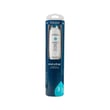
- Replace the water filter on schedule; a restricted filter can reduce water flow and ice production (see refrigerator water filter EDR3RXD1)
- If the dispenser area is worn or unresponsive, the actuator pad can be a common wear item (example: refrigerator pad (gray) W10133606)
- If ice production is inconsistent, the ice maker assembly is a frequent service part (see refrigerator ice maker 2198597)
“High end” usually means better features and finish, but it also means maintenance and repairs can be more parts-specific. Using the correct KitchenAid KSRS25FTSS01 parts and following the care steps in the manual helps protect cooling performance, water quality, and ice output.
Last updated: February 2026
What's the best refrigerator side by side?
The “best” side-by-side refrigerator is the one that fits your kitchen opening, holds temperature steadily, and matches the features you actually use (ice and water dispenser, adjustable bins, humidity-controlled crispers). If you already own the KitchenAid KSRS25FTSS01, the best choice is keeping it running efficiently with the right maintenance and replacement parts listed for your model in the KSRS25FTSS01 owner's manual.
We recommend prioritizing these practical factors first because they affect daily performance more than brand rankings:
- Fit and ventilation clearance: allow about 1/2 inch on each side and at the top; if installed next to a fixed wall, allow about 2 inches minimum for door swing (varies by model)
- Stable cooling: consistent refrigerator temps around 37°F and freezer temps around 0°F
- Ice and water reliability: strong water flow, steady ice production, no leaks
- Storage flexibility: adjustable shelves, door bins, and crisper humidity control
- Noise and efficiency: clean condenser area, good door seals, and proper airflow
For this KitchenAid side-by-side refrigerator, “best” usually means preventing the common issues that make any fridge feel like a bad one (warm temps, weak dispensing, slow ice).
- Replace the water filter on schedule using the correct part for your dispenser
- Flush the water system after filter changes (your manual describes flushing the system)
- Keep doors closing tightly; fix sagging or binding before it damages seals
- Maintain airflow around the cabinet (clearances matter)
These are model-matched parts customers often replace when performance drops:
| Symptom | Likely area | Example model-matched part |
|---|---|---|
| Bad-tasting water or slow dispensing | Water filtration | Refrigerator water filter EDR3RXD1 |
| No ice or irregular ice harvest | Ice maker assembly | Refrigerator ice maker 2198597 |
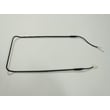
| Frost buildup, warm fridge section | Defrost system | Refrigerator heater WP2323198 and refrigerator defrost bi-metal thermostat WPW10225581 |
| Warm temps, weak airflow | Evaporator fan | Refrigerator evaporator fan motor WP2315549 |
Side-by-side refrigerators depend on strong airflow from the freezer to keep both compartments cold. When airflow, defrost, or water supply components start failing, you can get temperature swings, frost buildup, and dispenser problems that make a “top-rated” fridge feel unreliable.
Last updated: February 2026
What is the lifespan of a KitchenAid refrigerator?
Most KitchenAid refrigerators last 10 to 17 years. For your KitchenAid KSRS25FTSS01 side-by-side refrigerator, consistent maintenance (cleaning coils, keeping door seals tight, and fixing cooling or water issues early) is what most often determines whether you land closer to 10 years or closer to 17.
Here is a practical way to think about service life for a side-by-side refrigerator like KSRS25FTSS01:
| What you’re measuring | Typical range | What usually shortens it |
|---|---|---|
| Overall refrigerator lifespan | 10 to 17 years | Poor airflow, dirty condenser, door leaks, deferred repairs |
| Sealed system components (compressor, evaporator, condenser, dryer, tubing) | Often 10+ years | Overheating, low airflow, heavy frost, long run times |
| Ice and water system parts | Varies widely | Hard water, clogged filter, low water pressure, freezing lines |
For model-specific care and operating guidance, follow the maintenance and use instructions in the KSRS25FTSS01 owner's manual.
We recommend these habits for KitchenAid side-by-side units:
- Vacuum dust from the condenser area regularly so the compressor runs cooler.
- Keep door gaskets clean and sealing evenly to prevent warm air leaks and frost.
- Replace the water filter on schedule to protect the water valve and ice maker.
- Keep vents inside the refrigerator and freezer clear so air can circulate.
- Set stable temperatures (avoid frequent changes that increase run time).
- Address unusual noises, warming, or heavy frost early before secondary damage occurs.
If performance drops, these are common wear items we see tied to cooling and water issues:
- Refrigerator water filter EDR3RXD1 (clogging can reduce flow and strain the water system)
- Refrigerator ice maker 2198597 (wear can cause no-ice, leaking, or cycling problems)
- Refrigerator water inlet valve WPW10159839 (can cause slow fill, no water, or weak ice production)
- Refrigerator evaporator fan motor WP2315549 (poor airflow can cause warm temps and frost issues)
A refrigerator that runs hot, leaks air at the doors, or has restricted airflow typically runs longer and harder. That extra run time accelerates wear on the compressor and other sealed-system components, which are the most expensive repairs.
Last updated: February 2026